M O N E Y
Credit Card in Japan for Foreigners: From Zero Credit History (2026)
No credit history? Here's how foreigners actually get approved. Step-by-step: build your CIC score, pick the right first card (Rakuten, Epos, GTN), and avoid the 6-month rejection trap.

What Stops Working With a Foreign Card

One of the first surprises when settling in Japan is that your foreign Visa or Mastercard works fine at physical registers — but gets blocked on Japanese online services.
Mercari, PayPay, and Mobile Suica
Mercari, Japan’s most popular secondhand marketplace, does not accept foreign-issued credit cards. Even internationally branded Visa or Mastercard cards are declined if they were issued outside Japan. When you’ve just moved and want cheap used furniture or appliances, this is a real obstacle.
PayPay, Japan’s dominant QR code payment app (70 million+ registered users), states in its official help that foreign-issued cards may not be registrable. Small independent restaurants frequently accept only PayPay and no credit cards — without it, your dining options narrow considerably.
The official Suica app FAQ states that foreign-issued cards generally cannot be registered or used. You can still load cash at station ticket machines, but auto-charge and in-app top-ups are unavailable — an everyday inconvenience.
iD, QUICPay, and ETC
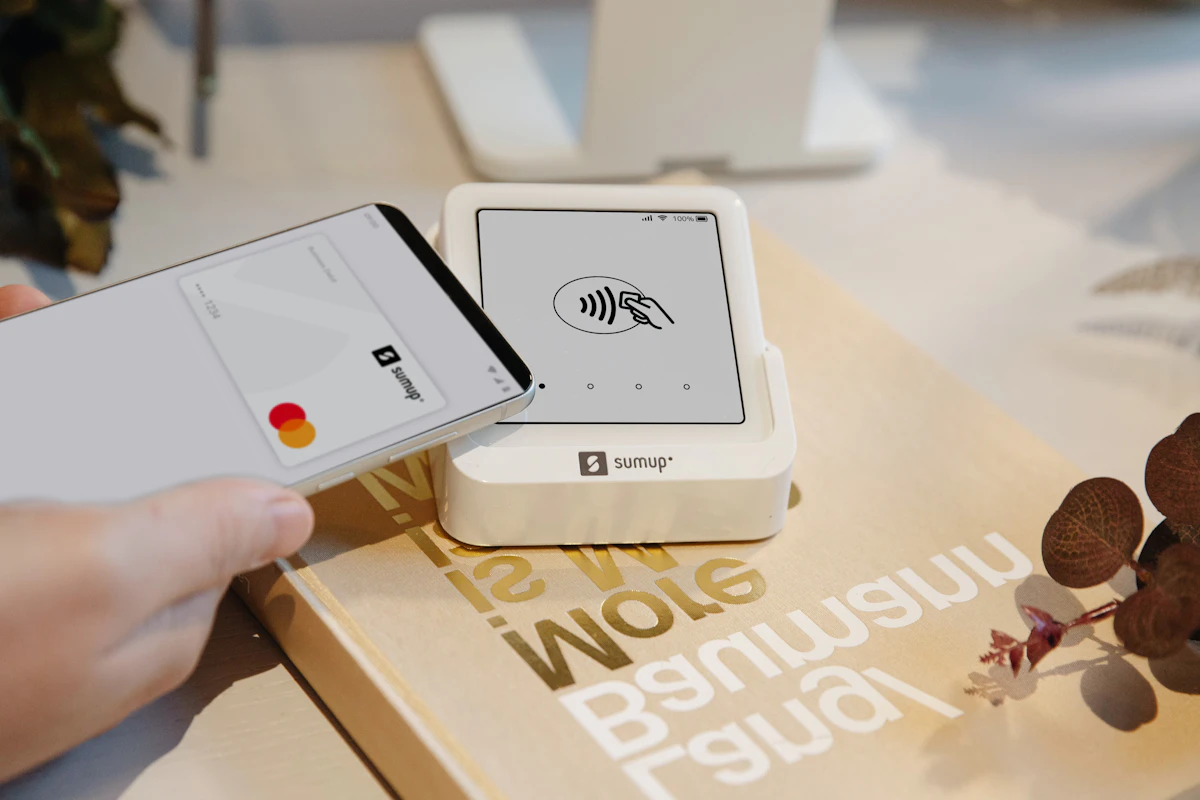
Even with your foreign card added to Apple Pay or Google Pay, Japan’s FeliCa-based contactless payments — iD and QUICPay — will not work. EMV contactless (tap-to-pay) still works, but terminals set to iD/QUICPay only will decline it. For a detailed explanation, see the Apple Pay section in How Payments Work in Tokyo.
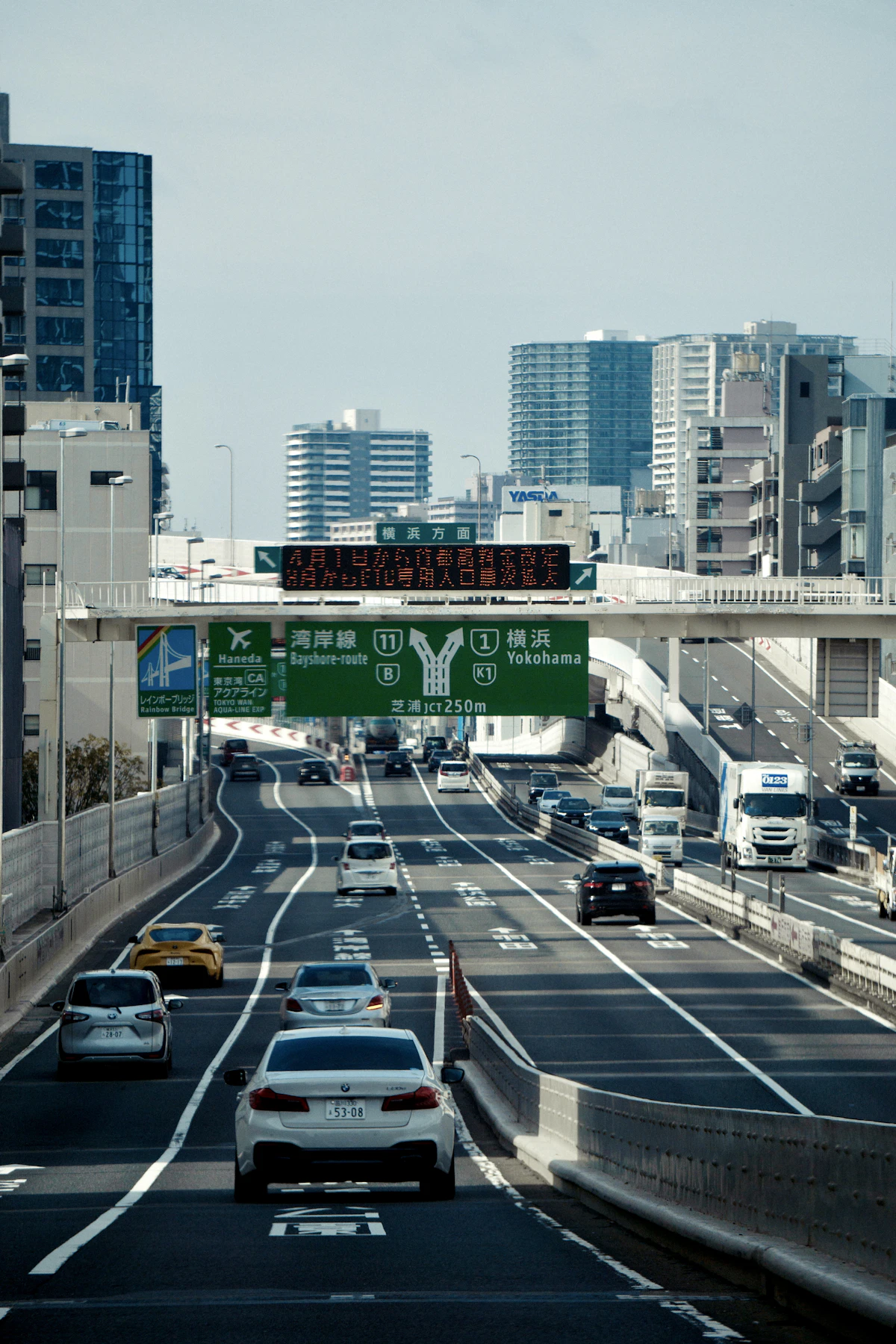
Japan’s highway toll system, ETC (Electronic Toll Collection), uses a dedicated card issued as an add-on to a Japanese credit card — there’s no way to get one from a foreign card. The alternative is an ETC Personal Card (¥1,257/year plus a minimum ¥3,000 deposit), which foreign residents can apply for with a residence card. Without ETC, you pay cash at toll booths and miss out on ETC discounts. The catch: the entire application process is in Japanese only.
Utilities and Streaming Services
Setting up automatic credit card billing for electricity, gas, and water with a foreign card is difficult. The practical workaround is 口座振替 (kōza furikae / automatic bank debit) — direct withdrawal from a Japanese bank account — which requires no credit card at all. Some Japan-only streaming services also reject foreign cards, though global services like Netflix and Spotify generally accept them.
”Super White” — Why You Keep Getting Rejected

When a Japanese credit card company reviews your application, they check CIC (株式会社シー・アイ・シー / Credit Information Center), Japan’s primary credit bureau. CIC stores credit and loan history, recording each month’s payment status with symbols.
As a newly arrived foreigner, your CIC file is completely empty. This state is called スーパーホワイト (sūpā howaito / “super white”).
The trouble is that a blank file looks identical to someone who went bankrupt and had their negative records expire. CIC deletes default records (異動情報 / idō jōhō) 5 years after the contract ends. KSC (全国銀行個人信用情報センター / National Bankers’ Personal Credit Information Center) retains official gazette (官報) records for 7 years (reduced from 10 years in a November 2022 revision). So an applicant over 30 with a blank credit file raises a red flag — the card company can’t tell whether you’re genuinely new to Japan or recovering from financial trouble.
No matter how strong your credit history is back home, it does not carry over. Japan has three credit bureaus — CIC, JICC, and KSC — that share data among themselves via systems called CRIN and FINE, but this sharing is domestic only. A perfect FICO score in the US means nothing here. You start from zero.
Visa duration also matters. If your remaining residence period is short, card companies see a risk of unpaid balances after you leave. Applying right after a visa renewal — when your remaining period is longest — is the most advantageous timing.
Choosing Your Route Based on Your Situation
Your best path depends on your circumstances. Find the row that matches you.
| Your situation | Recommended route |
|---|---|
| Work visa, full-time employee | 4-step path below → Rakuten Card (most approvals reported) → Epos Card (if Rakuten is rejected) |
| Work visa, dispatch/contract worker (e.g., ALT) | 4-step path → Rakuten Card or Epos Card. Apply right after visa renewal, with at least 1 year remaining |
| Student visa | GTN EPOS Card (if you use GTN services). Otherwise Rakuten Card (follow the application form guidance on income) |
| Spouse visa, unemployed | Spouse’s Rakuten Card family card (no screening, no annual fee) — or build credit via phone installments |
| Freelancer / self-employed | Phone installments → Epos Card after 6 months (the application form has a “self-employed” option). Prepare your tax return documents |
| Short stay (under 6 months) | A credit card isn’t realistic → Wise or Revolut (no screening, available immediately) |
Family cards are issued under the primary cardholder’s credit, so the family member undergoes no separate screening. For Rakuten Card, eligible family members (spouse, parents, children aged 18+) can each receive up to two family cards. Epos Card doesn’t offer a standard family card — the alternative is Epos Family Gold, which is invitation-only and requires its own screening.
4 Steps to Getting a Credit Card
Step 1: Buy a smartphone on an installment plan
Purchase a smartphone on an installment plan (割賦契約 / kappu keiyaku) from docomo, au, SoftBank, or another carrier. Each monthly payment gets recorded in CIC. Note that it’s the device installment that builds credit, not the monthly service fee.
The approval threshold for phone installments is lower than for credit cards, which is why this is the most realistic first step.
One critical rule: never miss a payment. A single late payment marks your CIC record with “A” (未入金 / unpaid). Instead of building credit, this actively damages your prospects on future applications.
Step 2: Pay on time for 6 months or more
CIC records each monthly payment with a symbol: ”$” means paid on time, “A” means unpaid. Six or more consecutive ”$” marks is the rough threshold where card companies start viewing your record favorably. The ideal target is 24 consecutive ”$” marks.
Step 3: Update the address on your ID documents
Credit card applications require identity documents. If the address on your documents doesn’t match your application address, the process stalls before screening even begins.
When you file a move-in notification (転入届 / ten’nyū todoke), your residence card (在留カード / zairyū kādo) gets the new address printed on the back at the ward or city office (区役所 / 市役所). Immigration law requires this within 14 days of moving. For a full walkthrough, see Moving to a New Ward: Office Procedures. Your My Number Card (マイナンバーカード) can be updated at the same time. For a driver’s license (運転免許証 / unten menkyoshō), update it at the relevant police station or driver’s license center.
Step 4: Apply for a retail credit card
Once you have a payment track record, apply for a retail-affiliated card with relatively flexible screening — Rakuten Card, Epos Card, and GTN EPOS Card are the main candidates. When applying, set the cash advance (キャッシング / kyasshingu) limit to ¥0 — this lowers the screening hurdle. Make sure you already have a Japanese bank account and phone number. If you haven’t resolved that yet, The Phone-Bank Catch-22 walks through the solution.
Card Comparison

- Rakuten Card — the most commonly reported approval among foreigners
- Epos Card — the next option if Rakuten is rejected; same-day issuance at Marui stores
- GTN EPOS Card — designed for GTN service users and international students
Wise and Revolut are included as alternatives to use while waiting for a credit card approval.
| Card | Type | Annual fee | Rewards | Screening | English support | Best for |
|---|---|---|---|---|---|---|
| Rakuten Card | Credit | Free | 1% | ★★☆ | App only | First credit card. Full-time employees, 1+ year on visa |
| GTN EPOS Card | Credit | Free | 0.5% | ★☆☆ | 25 languages | Students, GTN service users |
| Epos Card | Credit | Free | 0.5% | ★★☆ | In-store support | Need it fast. Freelancers |
| Wise | Debit | ¥1,200 issuance fee | — | None | Full | High-frequency international transfers |
| Revolut | Debit | ¥500 shipping | — | None | Full | Everyday Visa payments |
Rakuten Card
Rakuten Card is the most commonly cited first credit card for foreigners in Japan, with approval reports appearing regularly in Reddit threads and expat communities. It has no annual fee and earns 1% back, rising to 3% or more at Rakuten Ichiba.
The application form is in Japanese only, but the Rakuten Card Lite app launched in July 2024 supports English for viewing statements and managing settings. English phone support is available at 0570-66-6910. New cardholders earn bonus points upon signup and first use (amounts vary by campaign period).
If your spouse already has a Rakuten Card, a family card can be added at no annual fee.
Application page (Japanese) | FAQ: Submitting a residence card
GTN EPOS Card
This credit card is exclusively for foreigners using GTN services (such as GTN rental guarantor service or GTN Mobile). It’s available to GTN service users aged 18 and over, including those on student visas. With support in 25 languages, it’s one of the most accessible options for applicants who aren’t confident in Japanese.
The application decision can come on the same day, though the physical card is mailed. In October 2025, GTN Epos Gold Card was also launched — reportedly the first Gold card in Japan designed exclusively for foreign residents.
Epos Card
The standout advantage of Epos Card is same-day physical issuance at Marui department stores nationwide. The standard approach is to apply online first, then pick up the card in-store — you can have the card in hand in about 30 minutes. The application form includes a “self-employed / freelancer” option, making it more accessible for freelancers than most cards.
Travel accident insurance is included, but it changed from automatic coverage to usage-based coverage in October 2023 — it only applies if you paid for the trip with your Epos Card. After renewing your visa, you’ll need to submit your updated residence card.
Application page (Japanese) | Marui store in-person
Wise
Wise is a debit card, not a credit card. No credit screening is required. The only cost is a ¥1,200 card issuance fee — no annual fee. It uses the same mid-market rate as Google, with fees that vary by currency pair. For the current ATM withdrawal limits, check the official help page (a policy revision is scheduled for May 2026).
One important note: in addition to your residence card, submitting My Number documentation (My Number Card, resident record with My Number, or My Number notification slip) is required. A residence card alone is not sufficient.
Revolut
Revolut is also a debit card with no credit screening. The Standard plan (free monthly) supports card payments in 150+ currencies, with no foreign exchange fee up to ¥300,000 per month. There’s a ¥500 shipping fee for the physical card, but a virtual card is available immediately.
The app is fully available in English — you can check balances, send money, and manage everything without reading Japanese. You need a residence card, a Japanese address, and a phone number to apply. While Wise excels for international transfers, Revolut is better suited for everyday Visa payments and multi-currency management.
Pitfalls to Know Before Applying
A 050 VoIP number can get you rejected
If you use a budget SIM or VoIP service with a 050 number, be careful. Sumitomo Mitsui Card NL, for example, does not accept 050 numbers for phone verification. Other card companies have also been reported to screen less favorably on 050 numbers. The safest move is to get a standard carrier number from docomo, au, SoftBank, or Rakuten Mobile before applying.
One wrong character in your katakana name blocks the application
Credit card applications are processed automatically, so your katakana name must match exactly across your bank account, residence card, and card application. Even one character off will trigger an error. If you have a middle name, most card companies expect it entered continuously in the “first name” field with no space. Nicknames or aliases (通称名 / tsūshōmei) are not accepted — use the exact legal name on your residence card.
Don’t apply to multiple cards in a short period
CIC retains application inquiry records for 6 months from the date of inquiry. Multiple applications in a short window leave a trail of inquiries, which card companies read as a sign of financial desperation — what’s informally called “application blacklisting” (申し込みブラック / mōshikomi burakku). Apply to one card at a time, and wait at least 6 months before the next attempt.
What to Do If You’re Rejected
If you’re rejected even for phone installments, you can still buy the handset outright with cash and sign up for the service plan separately. CIC won’t get any installment records this way, but you’ll have a working phone. Shopping credit at electronics stores (家電量販店のショッピングクレジット) is another route — these installment contracts are also recorded in CIC, giving you an alternative path to building credit history.
To see exactly what’s in your credit file, use CIC’s information disclosure service — available online for ¥500 with a My Number Card. Check whether ”$” marks are lining up and whether any “A” marks have appeared.
Alternatives to a Credit Card
Opening a Japanese bank account gets you a Visa Debit or JCB Debit card with no credit screening. It won’t build your CIC history, but it works at many online services as a credit card substitute. That’s often enough for everyday life.
Prepaid Visa cards like Kyash and Vandle Card (バンドルカード) also require no screening. Since they’re issued in Japan, they can sometimes work on Mercari where foreign credit cards cannot.
For utilities (electricity, gas, water), skip the credit card entirely and set up 口座振替 (kōza furikae / automatic bank debit) — this is the standard method and requires no card at all.
Related Articles
- How Payments Work in Tokyo — PayPay, Suica, credit cards, and how to use each
- The Phone-Bank Catch-22 — Getting a phone number and bank account — the first step before building credit
- How to Find an Apartment in Tokyo — Guarantor company screenings also reference your credit history
- Health Insurance and Pension in Japan — Social security for foreign residents
Sources:
- CIC, “What Is Credit Information” https://www.cic.co.jp/confidence/index.html (accessed 2026-04-14)
- CIC, “Information Held by CIC” https://www.cic.co.jp/confidence/posession.html (accessed 2026-04-14)
- CIC, “Credit Information Exchange (CRIN/FINE)” https://www.cic.co.jp/confidence/exchange/ (accessed 2026-04-14)
- CIC, “Information Disclosure” https://www.cic.co.jp/mydata/ (accessed 2026-04-14)
- Mercari, “Credit Card Payments” https://help.jp.mercari.com/guide/articles/23/ (accessed 2026-04-14)
- PayPay, “Registrable Credit Card Types” https://paypay.ne.jp/help/c0063/ (accessed 2026-04-14)
- Mobile Suica, “Credit Cards Registrable with the Suica App” https://apfaq.mobilesuica.com/faq/show/1483?category_id=45&site_domain=default (accessed 2026-04-14)
- Immigration Services Agency, “Change of Address Notification (Mid- to Long-term Residents)” https://www.moj.go.jp/isa/applications/procedures/nyuukokukanri10_00023.html (accessed 2026-04-14)
- ETC Personal Card https://www.etc-pasoca.jp/service/ (accessed 2026-04-14)
- Rakuten Card, “Submitting a Residence Card” https://support.rakuten-card.jp/faq/show/160882?site_domain=guest (accessed 2026-04-14)
- Rakuten Card, “Family Card” https://www.rakuten-card.co.jp/service/family-card/ (accessed 2026-04-14)
- GTN, “GTN EPOS Card” https://www.gtn.co.jp/epos-lp (accessed 2026-04-14)
- Epos Card, “Travel Accident Insurance” https://www.eposcard.co.jp/benefit/oversea/insurance.html (accessed 2026-04-14)
- Epos Card, “Residence Card Submission” https://www.eposcard.co.jp/residence-card/index.html (accessed 2026-04-14)
- Wise, “Wise Card (Japan)” https://wise.com/jp/card/ (accessed 2026-04-14)
- Wise, “Getting Verified in Japan” https://wise.com/help/articles/2968293/getting-verified-in-japan (accessed 2026-04-14)
- Revolut Japan https://www.revolut.com/ja-JP/ (accessed 2026-04-14)
- Sumitomo Mitsui Card, “Phone Verification for Vpass ID” https://qa.smbc-card.com/mem/detail?site=4H4A00IO&category=133&id=1659 (accessed 2026-04-14)
- National Bankers’ Personal Credit Information Center, “Revision to Record Retention Periods” https://www.zenginkyo.or.jp/pcic/info/18379/ (accessed 2026-04-14)
- ETC Personal Card, “Revision to Terms of Use” https://www.etc-pasoca.jp/info/396/ (accessed 2026-04-14)
- Rakuten Card, “English Phone Support” https://support.rakuten-card.jp/faq/show/12865?site_domain=guest (accessed 2026-04-14)
- NEXCO, “ETC Discount Information” https://www.driveplaza.com/etc/dis/ (accessed 2026-04-14)
- Revolut Japan, “Standard Fees” https://www.revolut.com/ja-JP/legal/standard-fees/ (accessed 2026-04-14)
- GTN Epos Card FAQ https://www.eposcard.co.jp/gtn/faq/index.html (accessed 2026-04-14)
This article is for general informational purposes only and does not constitute a recommendation to apply for any specific financial product. Always refer to the official information from each card issuer before making a decision.
FAQ
- How can a foreigner get a credit card in Japan?
- Start by purchasing a smartphone on an installment plan (割賦契約 / kappu keiyaku) to build a payment record in CIC, Japan's primary credit bureau. After 6–12 months of on-time payments, apply for a retail-affiliated card with relatively flexible screening — such as Rakuten Card, Epos Card, or Aeon Card. Setting the cash advance limit to ¥0 when you apply lowers the screening hurdle.
- What is 'super white' (スーパーホワイト / sūpā howaito) in Japanese credit scoring?
- It means your CIC credit file is completely empty — no credit history at all. Every newly arrived foreigner starts in this state. The problem is that a blank file looks identical to someone who went bankrupt and had their negative records expire after five years. Applicants over 30 with zero credit history face extra scrutiny.
- Which Japanese services don't accept foreign-issued credit cards?
- Mercari (Japan's largest secondhand marketplace), PayPay (the leading QR payment app), Mobile Suica in-app top-ups, iD/QUICPay contactless payments, ETC highway toll cards, and some domestic streaming services all reject or restrict foreign-issued cards.
- What should I do if my credit card application is rejected?
- Don't reapply immediately. CIC retains application inquiry records for 6 months from the date of inquiry. Applying to multiple companies in a short period leaves a trail that signals financial desperation. Wait at least 6 months before trying again.
- Can I get by in Japan without a Japanese credit card?
- To some extent, yes. Opening a Japanese bank account gives you access to a Visa Debit or JCB Debit card with no credit check. Prepaid cards like Kyash and Vandle Card (バンドルカード) also require no screening and may work on Mercari. Wise and Revolut can be used at any Visa-accepting merchant in Japan without a credit check.
- How can I check my own CIC credit record?
- CIC's information disclosure service lets you check your credit file online for ¥500. You'll need a My Number Card (マイナンバーカード). You can verify whether your monthly payments are showing as '$' (paid on time) or 'A' (unpaid), and confirm your credit history is building correctly.
- Does my remaining visa duration affect credit card approval?
- Yes. If your remaining residence period is short, card companies see a risk of unpaid balances after departure. The safest time to apply is right after a visa renewal, when your remaining period is longest. Having at least one year remaining is a common baseline.
- Can I apply for a card using a 050 VoIP number?
- Some card companies don't accept 050 VoIP numbers for phone verification — Sumitomo Mitsui Card NL is one known example. If you use a budget SIM or VoIP service, getting a carrier number from docomo, au, SoftBank, or Rakuten Mobile before applying is the safer approach.
- I'm on a spouse visa and unemployed — can I get a card?
- If your spouse already has a Rakuten Card, you can add a family card (家族カード) at no annual fee. Family cards are issued under the primary cardholder's credit, so the family member undergoes no separate screening — no income required. If you want a card in your own name, start building credit via the phone installment route.
* This article was translated from the original Japanese with the help of machine translation. Some expressions may not read naturally.


