M O N E Y
How to Eat in Tokyo on Less Than ¥2,000 a Day
Matsuya beef bowls for ¥460, Fujisoba noodles for ¥430, supermarket bento for ¥300 after evening markdowns. A practical guide to eating well in Tokyo on a budget, with chain names, prices, and ordering tips.

This article contains affiliate links. tokyo.how may earn a commission at no extra cost to you if you make a purchase through these links. This does not influence our editorial content.
How much does food in Tokyo actually cost?
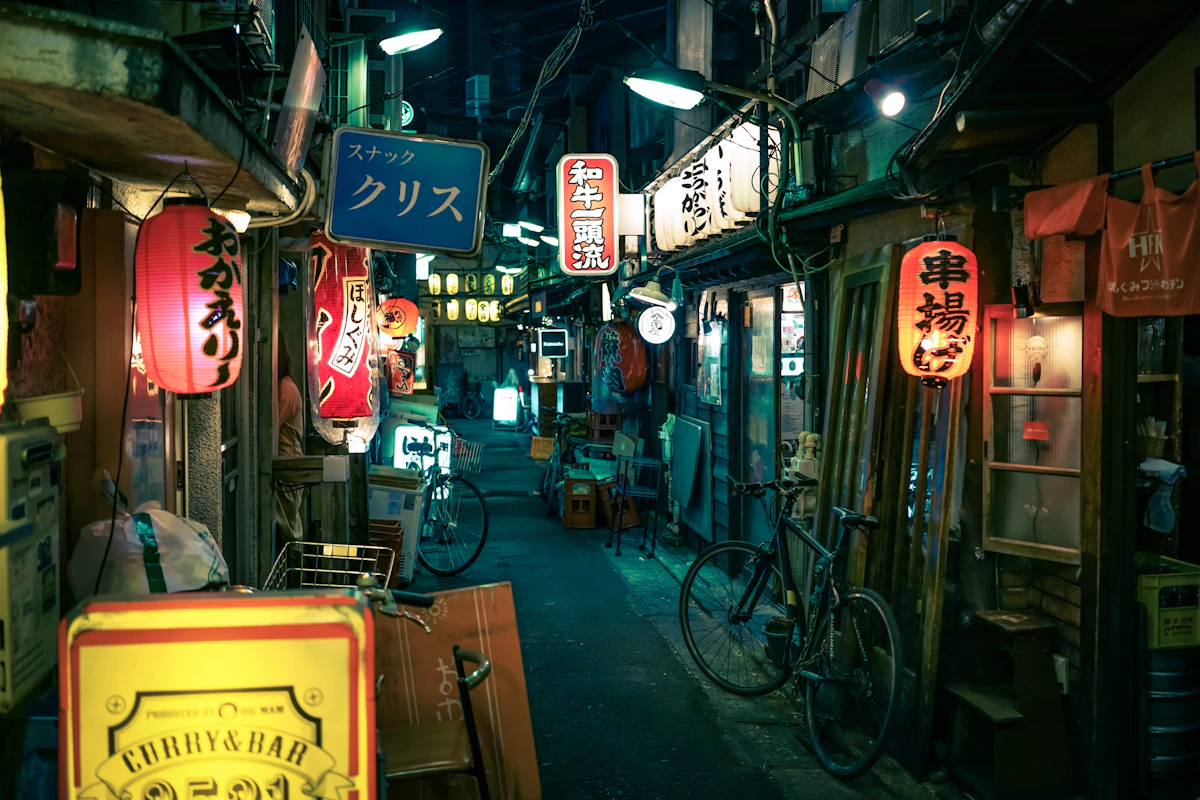
According to the Japan Tourism Agency’s survey, international visitors spend an average of about ¥49,000 on food per trip. For a one-week stay, that works out to roughly ¥7,000 a day.
But that number reflects people eating without a strategy. Tokyo has gyudon (beef bowl) chains where you can fill up for under ¥500, supermarket bento boxes for ¥300 after evening markdowns, and conveyor belt sushi starting at around ¥120 per plate. The difference between spending ¥5,000 and ¥2,000 a day comes down to knowing what’s available.
Japan’s fast food chains you’re missing out on
McDonald’s and KFC exist in Tokyo, but Japan has its own fast food culture that’s entirely separate. Gyudon (beef bowls), tachigui soba (standing noodle bars), Chinese food chains, conveyor belt sushi, teishoku (set meal) restaurants. None of these really exist outside Japan, yet they’re everywhere in Tokyo, just steps from any train station.
Gyudon chains — a full meal under ¥500
Gyudon chains are the go-to for budget eating in Tokyo. Sweet-savory sliced beef over white rice, filling and satisfying for ¥400-500.
Matsuya has about 330 locations in Tokyo, with their standard gyumeshi (beef rice) at ¥460 (tax included). Every bowl comes with free miso soup. Their ticket machines support English, Chinese, and Korean, so you can order by looking at photos even with zero Japanese. Sukiya offers gyudon at ¥450 for medium, ¥390 for small, with plenty of topping options like cheese, kimchi, and soft-boiled egg. Yoshinoya is the original, founded in 1899. Nakau serves gyudon plus Kyoto-style udon, and their breakfast sets are among the cheapest in the category.
Standing soba — eat in 5 minutes, spend under ¥500
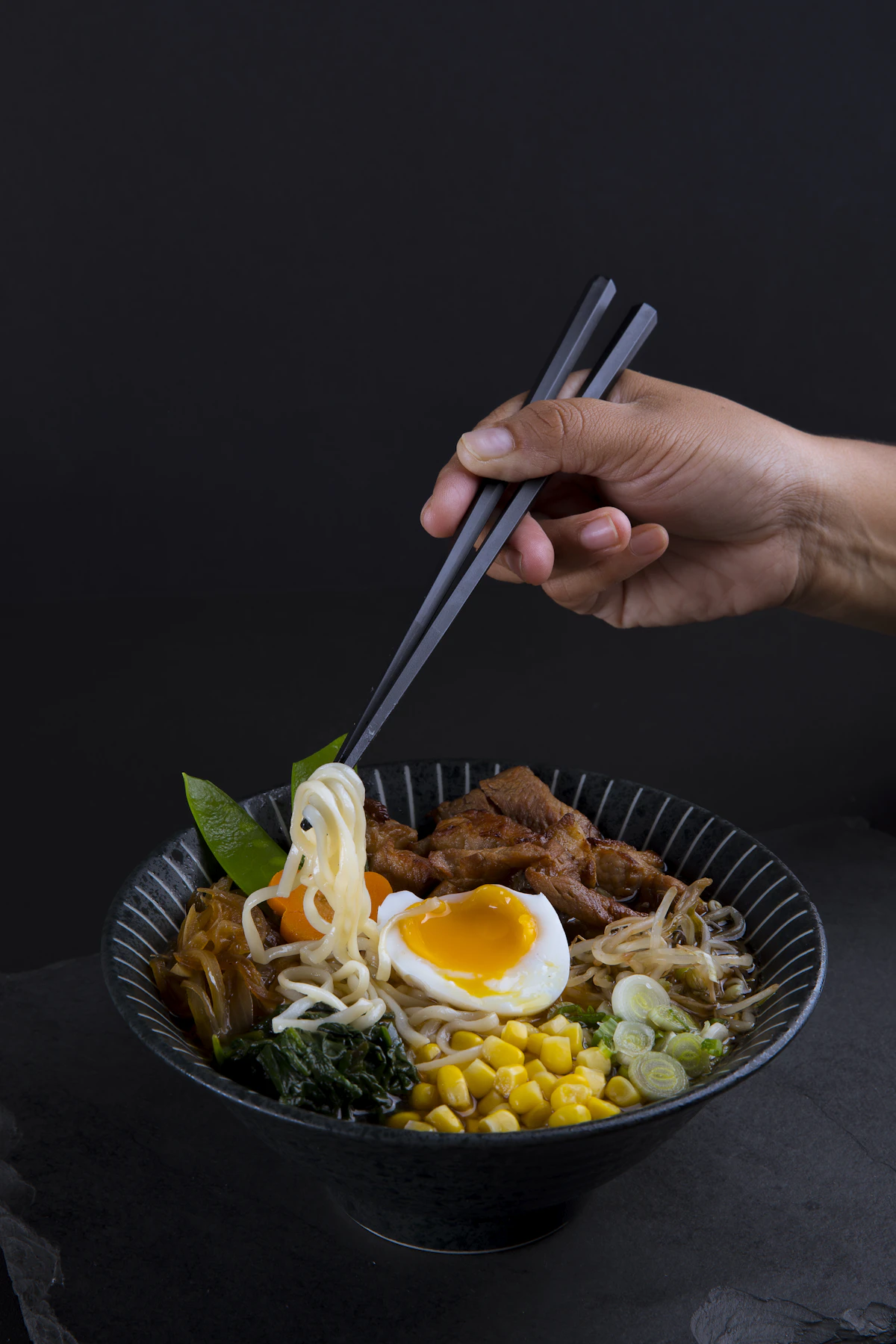
When you’re in a hurry, standing soba shops deliver. Buy a ticket at the machine by the entrance, hand it to the counter, and your noodles arrive in 2-3 minutes. Fujisoba has over 100 locations in Tokyo, with kake soba (plain) at ¥430 (tax included). Many locations are open 24 hours. Yudetaro mills their buckwheat in-house, with kake soba also at ¥430. They don’t have an English website, but the ticket machines display photos so you can point and choose.
The “standing” part might feel unfamiliar, but more locations now have seats too. Turnover is fast, so there’s rarely a line.
Ramen — Tokyo’s must-try bowl
A bowl of ramen at an independent shop in Tokyo typically runs ¥800-1,200, which can feel steep on a tight budget. But chain restaurants bring it under ¥500. Hidakaya serves chuka soba (Chinese-style noodles) for ¥420 and is found near virtually every major station in Tokyo. It’s a different style from boutique ramen shops, but as a light soy-based bowl, it’s a solid entry point into Tokyo’s ramen culture.
If you want to try an independent ramen shop, going at lunchtime can be cheaper than dinner. Most use ticket machines for ordering. See how ticket machines work below.
Chinese food chains and gyoza — your station-side ally
Hidakaya also serves gyoza (6 pieces) for ¥300, fried rice, and set meals. Gyoza no Ohsho offers handmade gyoza (6 pieces) for ¥363 (tax included), and you can order from a multilingual tablet at your table.
Curry, tempura, and set meals — Japanese home cooking for a bit more
With ¥700-1,000, you can reach chains serving Japanese home-style cooking. CoCo Ichibanya lets you customize your curry’s spice level, toppings, and rice portion, with menus in 8 languages. Tenya serves tendon (tempura rice bowl) for ¥620 (tax included). Yayoiken offers set meals like ginger pork at ¥860 and fried chicken at ¥890, with free rice refills (be reasonable about portions).
Conveyor belt sushi — real sushi from around ¥120 per plate
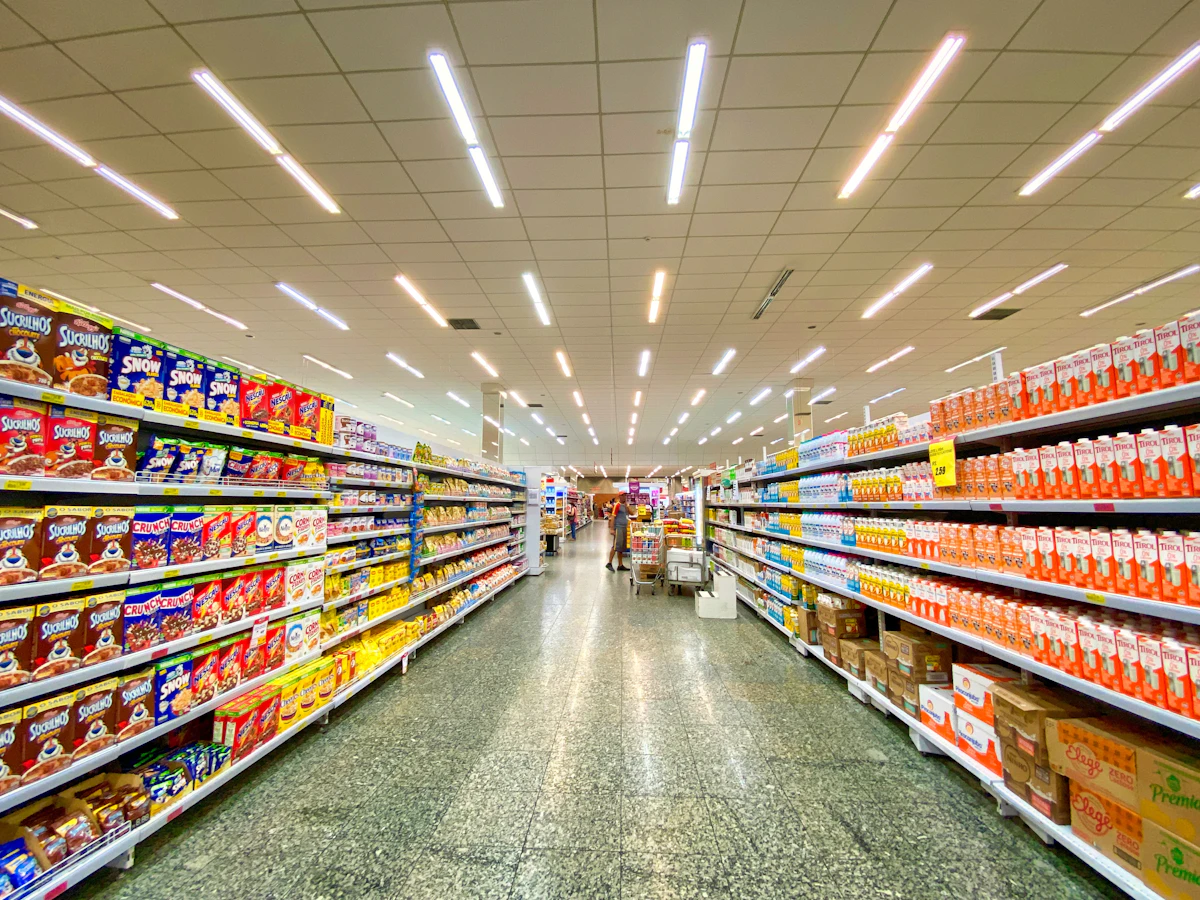
Kura Sushi charges ¥120-150 per plate in Tokyo (higher in central areas), while Sushiro typically starts at ¥150 per plate depending on location. Both have touchscreen ordering in multiple languages, so Japanese isn’t needed. Peak hours can mean 1-2 hour waits though, so booking through their apps is smart. Kura Sushi has a fun gimmick: every 5 plates triggers a mini-game (Bikkurapon) where you can win a capsule toy.
How ticket machines work — from entry to exit
At chains like Matsuya, Fujisoba, and Yayoiken, you buy a meal ticket from a machine near the entrance before sitting down. The process is simple: switch the screen language to English (if the option exists), browse the photos, pay with cash or Suica / IC card, then hand the printed ticket to the counter staff.
Even on Japanese-only machines, photos and prices are enough to navigate. A common tip: the top-left button is often the most popular item. At chains like Sukiya, Hidakaya, and CoCo Ichibanya, you order at the table instead — just point at the menu. Check the Tokyo payment methods guide for a full overview of how to pay.
Options if you avoid beef or pork
Dietary restrictions don’t leave you stranded. Yayoiken has grilled fish and vegetable set meals. CoCo Ichibanya lets you build a vegetable curry from scratch. Conveyor belt sushi is seafood-based by default, with options like natto rolls and inari sushi. At convenience stores, onigiri with ume (pickled plum), konbu (kelp), or sake (salmon) fillings are safe picks, along with tofu and salads. Gyudon chains are primarily beef-based, but Nakau offers oyakodon (chicken and egg bowl).
Convenience stores — great for breakfast, pricey for every meal
7-Eleven, Lawson, and FamilyMart are on virtually every block in Tokyo. Seven Cafe coffee costs ¥140. One onigiri plus a coffee keeps breakfast under ¥400.
But buying all three meals at convenience stores can push daily food costs to ¥2,500-3,000. Use them strategically for breakfast and snacks, then turn to chain restaurants or supermarkets for lunch and dinner.
Onigiri — Tokyo’s cheapest breakfast
Convenience store onigiri typically cost ¥182-298 each. You’ll find classics like ume (pickled plum), konbu (kelp), sake (salmon), and tsuna mayo (tuna mayo). Pair one with a hot snack from the counter — karaage sticks or croquettes — and you have a solid ¥300-500 meal.
Japanese onigiri come in a triangular shape wrapped in nori (seaweed). The packaging has a clever film system that keeps the nori crisp until you eat it. If you’re unsure how to open it, look for the numbers 1-2-3 on the wrapper and pull in that order.
For cheaper onigiri, look for My Basket (まいばすけっと), an Aeon-group mini supermarket with about 800 locations across Tokyo. They’re as common as convenience stores but onigiri are noticeably cheaper. Their prepared meals and bento boxes run ¥200-400 as well.
Supermarket markdowns — a secret only locals know
Tokyo supermarkets have a “discount sticker” culture. Bento boxes and prepared foods get progressively marked down through the evening, reaching 30-50% off near closing time.
The markdowns happen in roughly three waves: 10-20% off around 4-5 PM, 20-30% off around 7-8 PM, and 30-50% off in the last 1-2 hours before closing. The average bento costs about ¥590, so a half-price sticker brings it under ¥300. On Wednesdays and Sundays, when the wholesale markets are closed, markdowns tend to start earlier.
OK Store is a discount supermarket with about 80 locations in Tokyo. Their membership card (free to join) gives you a 3% discount on groceries (excluding alcohol). Their everyday prices are already lower than typical supermarkets, so it’s worth a visit if there’s one nearby.
Lunchtime — the cheapest time to eat out
The same restaurant can charge very different prices at lunch versus dinner. Lunch sets (11 AM-2 PM) are often 30-50% cheaper, and even independent restaurants serve teishoku (set meals) for ¥800-1,200 during this window. Business districts like Shimbashi (新橋) and Toranomon (虎ノ門) are fiercely competitive at lunch, with some places offering meals close to ¥500. Look for the word ランチ (ranchi, “lunch”) on signs and banners outside. Reservations are sometimes needed for dinner, but lunch is almost always walk-in.
Daily meal plans — three budgets for eating in Tokyo
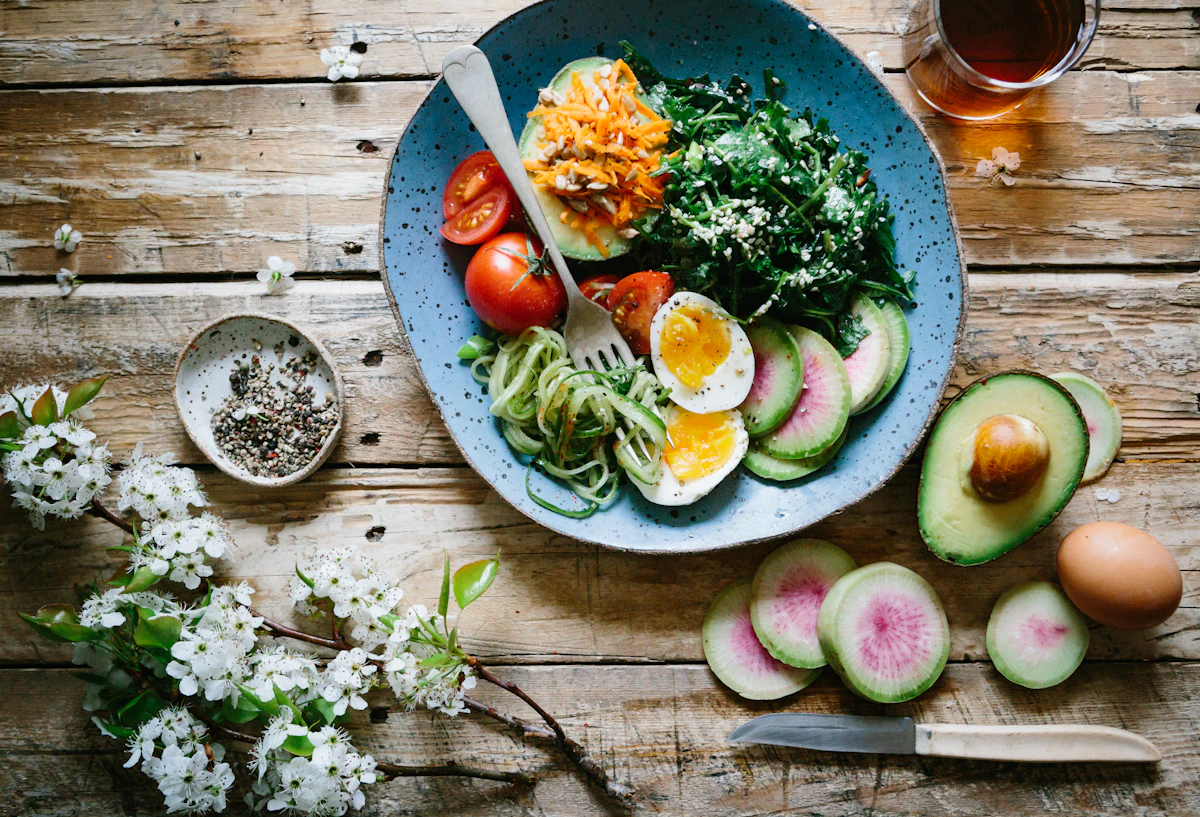
¥1,500 plan (ultra-budget): Breakfast at a convenience store with onigiri and coffee (about ¥330). Lunch at Fujisoba with kake soba for ¥430. Dinner from a supermarket markdown bento (about ¥300) plus a drink (about ¥150). Total: roughly ¥1,210. Modest as a dining experience, but sustainable for a few days. Monthly: about ¥45,000.
¥2,000 plan (budget-comfortable): Grab a beef bowl at Matsuya (¥460), have chuka soba and gyoza at Hidakaya (about ¥720), and start the morning with convenience store onigiri (about ¥300). That’s around ¥1,480 total, leaving ¥500+ for an afternoon coffee. Monthly: about ¥60,000.
¥3,000 plan (comfortable): This budget unlocks conveyor belt sushi. Dinner at Kura Sushi with 10 plates (¥120-150 each in Tokyo, varying by location, roughly ¥1,200-1,500 for 10 plates). Lunch at an office-district set meal restaurant (about ¥900). Convenience store breakfast (about ¥500) and a coffee (about ¥200). Total: around ¥3,000. Monthly: about ¥90,000, but sushi every day isn’t a bad trade-off.
Why tourist areas cost more
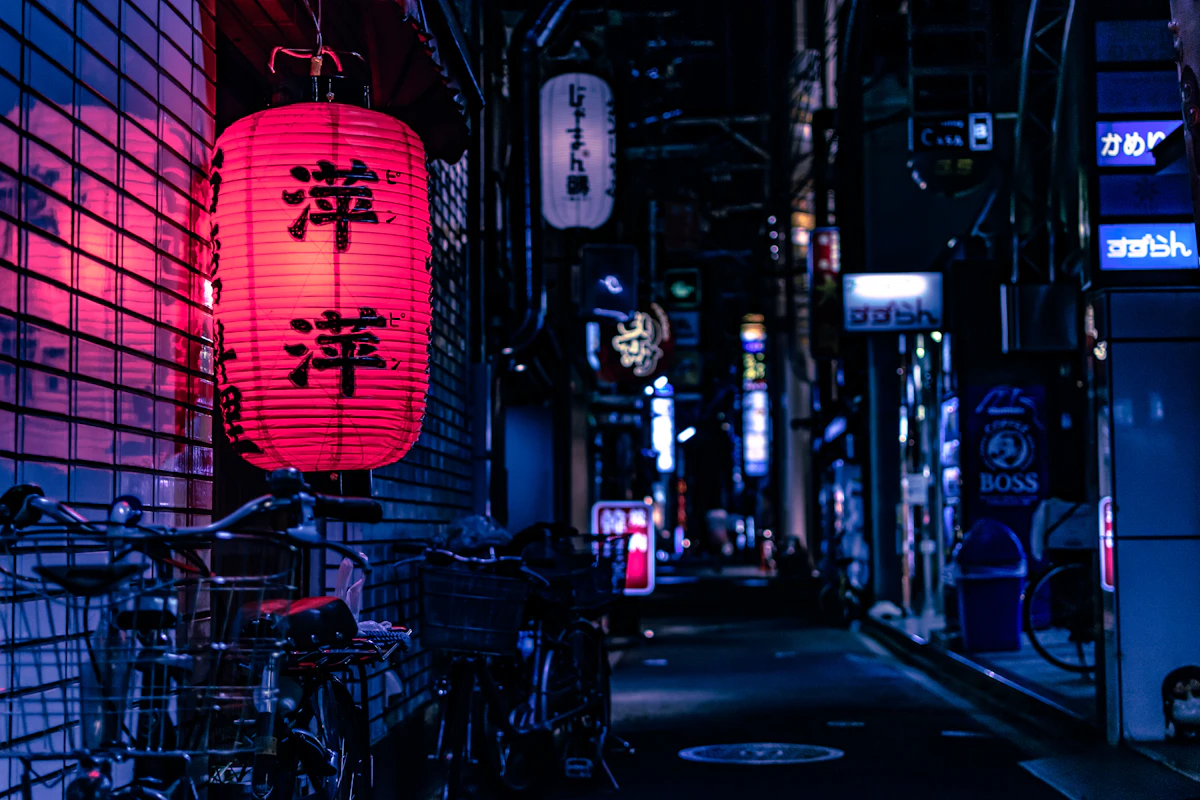
Restaurants around Shibuya’s scramble crossing or along Asakusa’s Nakamise-dori (仲見世通り) can be noticeably more expensive than places just a few blocks away. Shops with English menus displayed outside are more likely to have tourist-oriented pricing.
The trick to eating cheaply is finding places where locals line up. Search Google Maps for 定食 (teishoku, “set meal”) or ラーメン (ramen), and look for places with fewer reviews but high ratings — they tend to cater to regulars rather than tourists. Restaurants inside train stations and underground malls are also usually cheaper than street-level spots in tourist zones. If you visit an izakaya (Japanese pub), read up on how otoshi and service charges work first so the bill doesn’t catch you off guard. For non-food pitfalls, see common Tokyo travel mistakes.
Three ways food budgets go wrong
Eating every meal at convenience stores. It’s easy, but daily costs climb past ¥3,000 quickly, and you miss out on what makes Tokyo’s food scene special. Use convenience stores for breakfast and snacks, then rotate chain restaurants and supermarkets for lunch and dinner.
Only eating near tourist spots. Sticking to restaurants in Asakusa (浅草) or Shibuya (渋谷) means paying a premium plus waiting in long lines. Walking just one block can change the price range entirely.
Not carrying cash. Credit cards and Suica are accepted at more places than ever, but standing soba shops and independent teishoku restaurants are still often cash-only. The cheaper the restaurant, the more likely this is true. Keep ¥1,000-2,000 in cash on you at all times.
One easy-to-overlook expense is drinks. Buying a bottle from a vending machine every time adds up to ¥300-500 per day. Tokyo’s tap water is safe to drink, so bring a reusable bottle or buy in bulk at a drugstore.
References:
- Japan Tourism Agency, Inbound Tourism Consumption Trend Survey 2024: https://www.mlit.go.jp/kankocho/tokei_hakusyo/gaikokujinshohidoko.html (accessed: 2026-04-08)
- Seven-Eleven Japan, Seven Cafe Price Revision Notice: https://www.sej.co.jp/company/info/182036.html (accessed: 2026-04-08)
- OK Store, OK Club Member Discount: https://ok-corporation.jp/ (accessed: 2026-04-08)
FAQ
- How much does food cost per day in Tokyo on a budget?
- You can eat well for around ¥1,500–¥2,000 a day if you use gyudon chains, standing soba bars, and supermarket markdowns strategically. A beef bowl at Matsuya costs ¥460 and includes free miso soup. Eating all meals at convenience stores can push costs to ¥2,500–¥3,000 a day.
- What are gyudon chains and where can I find them?
- Gyudon chains serve sweet-savory sliced beef over rice for around ¥400–500 a meal. The major chains are Matsuya, Sukiya, Yoshinoya, and Nakau — all found near virtually every train station in Tokyo. Many have English-language ticket machines or multilingual ordering tablets, so no Japanese is needed.
- Are there cheap vegetarian or non-beef options in Tokyo?
- Yes. CoCo Ichibanya lets you build a fully vegetable curry with menus in 8 languages. Yayoiken offers grilled fish and vegetable set meals. Conveyor belt sushi has options like natto rolls and inari sushi. Nakau also serves oyakodon (chicken and egg bowl) as an alternative to beef.
- What is the cheapest way to eat in Tokyo?
- The cheapest strategy is: convenience store onigiri and coffee for breakfast (around ¥300–400), standing soba or a gyudon bowl for lunch (¥430–460), and a supermarket bento with a markdown sticker for dinner (around ¥300 after 30–50% off). This total can come to roughly ¥1,200–1,500 per day.
- Do Tokyo supermarkets discount food in the evenings?
- Yes. Bento boxes and prepared foods get progressively marked down through the evening, typically reaching 30–50% off in the last 1–2 hours before closing. The average bento costs around ¥590, so a half-price sticker brings it under ¥300. Markdowns tend to start earlier on Wednesdays and Sundays when wholesale markets are closed.
- Why is food cheaper away from tourist areas?
- Restaurants in tourist-heavy areas like Asakusa or near Shibuya Scramble target travelers and price accordingly. Walking just a block or two away often brings noticeably lower prices. Business districts like Shimbashi and Toranomon are fiercely competitive at lunchtime, with some meals close to ¥500.
- How do ticket machines work at Japanese restaurants?
- At chains like Matsuya and Fujisoba, you buy a ticket at a machine near the entrance before sitting down. Switch the screen to English if available, select your meal by photo, pay with cash or Suica, and hand the printed ticket to the counter. On Japanese-only machines, photos and prices are usually enough — the top-left button is often the most popular item.
* This article was translated from the original Japanese with the help of machine translation. Some expressions may not read naturally.


