E X P L O R E
Shinkansen Guide: Booking, Fares & How to Ride
How to book the shinkansen with SmartEX: fares and fastest times (Tokyo–Shin-Osaka ¥14,720), reserved vs. unreserved seats, JR Pass rules, and oversized-baggage tips.

Which booking service you use depends on where you’re headed. Once you’ve sorted that out, it’s just a matter of choosing your fare and seat. Even without reading Japanese, you can complete the whole process — from booking to boarding — on your phone.
First time? Here’s the short version: ① Choose a booking service based on your destination (SmartEX for Osaka, Kyoto, Nagoya) → ② Reserve on SmartEX and get a QR code → ③ Pick a reserved seat → ④ Tap your phone’s QR code at the fare gate. Four steps and you’re on.
Choosing a Booking Service
Pick the right service for your destination.
| Destination | Line | Booking Service |
|---|---|---|
| Osaka, Kyoto, Nagoya, Hiroshima, Hakata | Tokaido / Sanyo / Kyushu Shinkansen | SmartEX |
| Sendai, Shin-Aomori, Kanazawa, Niigata, Nagano | Tohoku / Hokuriku / Joetsu Shinkansen | Eki-net |
| Complex itineraries, JR Pass seat reservations | All lines | Midori-no-madoguchi (JR ticket office) |
SmartEX
SmartEX is the online booking service for the Tokaido, Sanyo, and Kyushu Shinkansen lines (Tokyo–Shin-Osaka–Hakata–Kagoshima-Chuo). There’s no annual fee, the interface is in English, and you can pay with a credit card issued outside Japan (Visa, Mastercard, JCB, Amex, Diners).
Reservations open one month before departure. The biggest advantage is that you board by holding your phone’s QR code up to the gate — no paper ticket needed. (You’ll receive a booking confirmation to check your seat number.) For first-time riders, this is the simplest option by far.
Eki-net
Eki-net is JR East’s reservation site, covering the Tohoku, Akita, Yamagata, Hokkaido, Joetsu, and Hokuriku Shinkansen lines. Basic booking is available in English, but discounted tickets (Tokuda-ne fares) are only accessible via the Japanese-language interface and require a Japanese address and phone number.
Midori-no-madoguchi (JR Ticket Office)
This is the staffed ticket counter at major stations. It’s the most reliable option for complex itineraries or JR Pass seat reservations — most large stations have staff who speak English. Writing down your destination, date, time, and seat preference on a piece of paper before you arrive makes things go smoothly.
One thing to watch: JR companies run their counters separately. “Midori-no-madoguchi” is JR East’s counter, while JR Central — which operates the Tokaido Shinkansen — calls its windows “kippu-uriba” (JR ticket office). A paper ticket booked through SmartEX for the Tokaido, Sanyo, or Kyushu Shinkansen cannot be collected at a JR East counter (Midori-no-madoguchi). For counter help, go to a JR Central kippu-uriba instead — at Tokyo Station these are on the Yaesu side by the Tokaido Shinkansen gates, and Shinagawa Station has one too. Within the JR East area you can still collect a SmartEX ticket at reserved-seat ticket machines (in central Tokyo, Yokohama, Kawasaki, Odawara, and Atami), but not at the staffed counters. Better yet, link an IC card to your SmartEX booking and ride ticketless — then you never need to pick up a paper ticket at all.
How to Book on SmartEX
The online booking process moves step by step.
- Create an account — Register your email address and credit card on SmartEX’s sign-up page. No annual fee required.
- Enter your route and date — Select departure station, destination, and travel date and time.
- Choose your train and seat — Pick a train from the list and select your seat. You’ll choose your car class (standard or Green Car) and window or aisle preference here.
- Pay — Complete payment with the credit card you registered.
- Select your boarding method — You can board via QR code, a registered IC card, or a paper ticket exchanged at the station. The QR code option just requires holding your phone screen up to the gate.
You can change your reservation as many times as you like before departure (discounted tickets excluded).
Fares and Travel Times by Route
The table below shows approximate standard-season fares for reserved seats in standard cars. Prices vary by season (off-peak, standard, peak, busiest peak) and purchase method, so confirm the final amount at the booking screen. Travel times reflect the fastest available service.
Tokaido Shinkansen (book via SmartEX)
| Route | Nozomi reserved seat, standard season | Fastest travel time |
|---|---|---|
| Tokyo → Nagoya | approx. ¥11,300 | approx. 1h 34m |
| Tokyo → Kyoto | approx. ¥14,170 | approx. 2h 10m |
| Tokyo → Shin-Osaka | approx. ¥14,720 | fastest 2h 21m |
The fares above are standard-season estimates — see the SmartEX fare table for route-by-route prices and JR Central for travel times. The fastest Tokyo–Shin-Osaka Nozomi takes 2h 21m, but services with more stops take around 2h 30m.
Using the EX Hayatoku 21 advance discount: If you book at least 21 days before departure (by 11:30 PM), the Tokyo–Shin-Osaka fare drops to ¥12,980 — roughly ¥1,700 less than the standard ¥14,720. However, changes are not allowed after booking, and the ticket is only valid for the specific train you reserved. If you miss your train, the ticket becomes void, and you’ll need to refund and rebook.
Tohoku and Hokuriku Shinkansen (book via Eki-net)
| Route | Train | Reserved seat, standard season | Fastest travel time |
|---|---|---|---|
| Tokyo → Sendai | Hayabusa | approx. ¥11,630 | approx. 1h 30m |
| Tokyo → Kanazawa | Kagayaki | approx. ¥14,380 | fastest 2h 24m |
The fares above are standard-season estimates — check current exact fares with JR East’s fare search tool. The Tokyo–Kanazawa Kagayaki reached its fastest time of 2h 24m with the March 14, 2026 timetable revision. Note that JR East revised the base fare portion of Tohoku and Hokuriku Shinkansen tickets on March 14, 2026 (limited express surcharges remain unchanged).
Train Types and Seat Selection
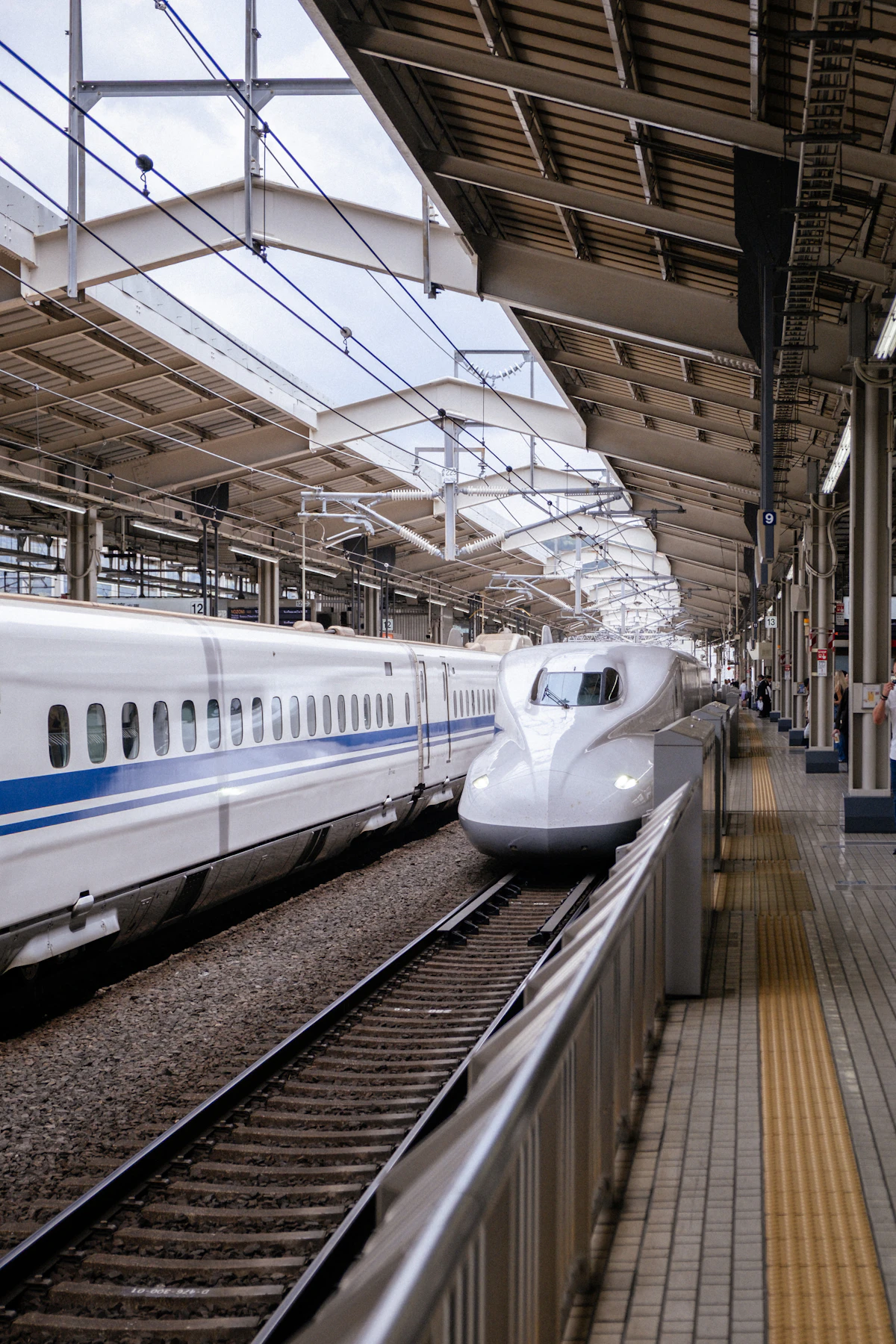
Even on the same route, the train type affects your travel time and whether your JR Pass is valid.
| Nozomi | Hikari | Kodama | |
|---|---|---|---|
| Speed | Fastest | Medium | Local (all stops) |
| Tokyo → Shin-Osaka | fastest approx. 2h 21m | approx. 2h 50m | approx. 4h |
| Frequency | 3–6 per hour | 2 per hour | 1–2 per hour |
| JR Pass | Not accepted | Accepted | Accepted |
Nozomi and Mizuho are not covered by the JR Pass (JR Central states this as well), while Hikari, Sakura, and Kodama can be used at no extra charge.
On the Tohoku and Hokuriku Shinkansen, the fastest trains — Hayabusa and Kagayaki — run fully reserved with no unreserved cars. The slower Yamabiko has unreserved cars in cars 1–5, and Hakutaka has unreserved seating in cars 1–4. If you want an unreserved seat, these are your options.
Seat Classes and How Pricing Works
There are three seat classes: unreserved (jiyuseki), reserved (shiteiseki), and Green Car.
| Class | Seat layout | Notes |
|---|---|---|
| Unreserved | 3+2 | Cheapest option. Seats are first-come, first-served — standing is possible during busy periods |
| Reserved | 3+2 | Guaranteed seat. Price varies by season |
| Green Car | 2+2 | More spacious and quieter. Roughly ¥5,000–¥6,000 more than a standard reserved seat |
The unreserved limited express surcharge is ¥530 cheaper than a standard-season reserved seat. However, Nozomi reserved seats carry an additional surcharge, so the actual gap between unreserved and reserved on a Nozomi from Tokyo to Shin-Osaka works out to about ¥850 (versus ¥530 on Hikari or Kodama). The cheapest option is an unreserved seat — around ¥13,870 for Tokyo–Shin-Osaka on any service — versus roughly ¥14,720 for a Nozomi reserved seat. For longer trips, the ¥850 premium for a guaranteed seat is generally worth it. Tokyo is the first stop on the Tokaido Shinkansen, so arriving early gives you a good chance of getting an unreserved seat, but if you’re boarding at an intermediate station, a reserved seat is much more reliable.
Reserved limited express surcharges shift by season: ¥200 less in off-peak periods, ¥200 more in peak periods, and ¥400 more during the busiest periods.
Seats with a View of Mt. Fuji
On westbound Tokaido Shinkansen services from Tokyo toward Shin-Osaka, Mt. Fuji appears on the right side of the train. In standard cars, seat E is the window seat on the Mt. Fuji side; in the Green Car, it’s seat D. The mountain is visible roughly between Shin-Fuji and Shizuoka — about 40–45 minutes out of Tokyo. Clear winter days offer the best views.
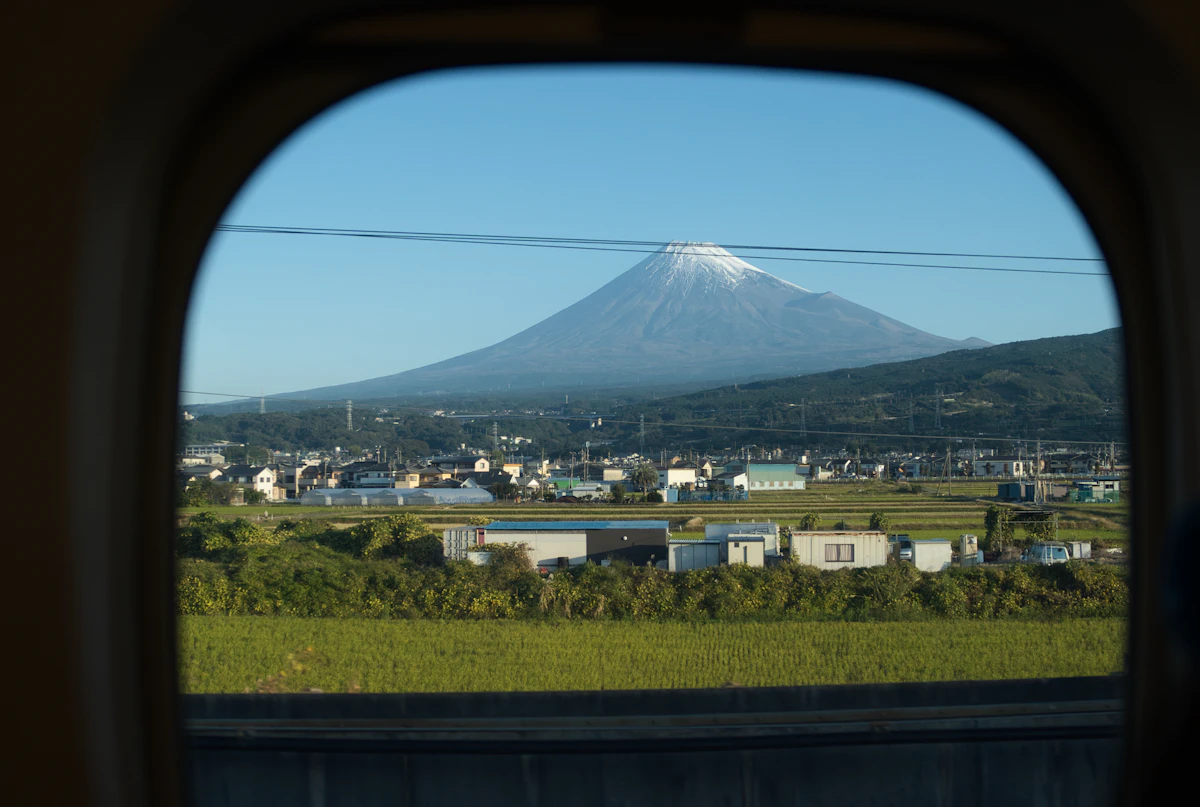
Standard cars have a 3+2 seat layout labeled A through E, with the Mt. Fuji-side window at seat E on the right.
3-seat side        2-seat side
Window A  B  C │aisle│ D  E Window ← Mt. Fuji (right side, direction of travel)
Using a JR Pass
JR Pass holders cannot board Nozomi or Mizuho services. That said, Hikari, Sakura, and Kodama are fully covered at no extra cost, so getting between cities is still straightforward. If you specifically want to ride Nozomi or Mizuho, you can purchase a Nozomi/Mizuho Special Ticket separately — ¥4,960 for Tokyo to Kyoto or Shin-Osaka, ¥4,180 for Tokyo to Nagoya.
If you’re deciding whether a JR Pass makes financial sense, the calculation is straightforward. A 7-day ordinary pass costs ¥50,000. A round-trip Tokyo–Shin-Osaka on Nozomi reserved seats comes to roughly ¥29,440, so a single round trip doesn’t justify the pass — booking directly through SmartEX will cost less. You’ll generally need to visit three or more cities by shinkansen to break even on the pass.
Oversized Baggage Rules
On the Tokaido, Sanyo, and Kyushu Shinkansen, large suitcases require an advance reservation.
| Size (total of three dimensions) | Rule |
|---|---|
| 160 cm or under | No reservation needed. Can be stored in the overhead rack or at your feet |
| Over 160 cm up to 250 cm | Advance reservation required for the oversized baggage seat (free of charge) |
| Over 250 cm | Cannot be brought into the cabin |
Bringing an oversized bag without a reservation incurs a ¥1,000 (tax included) surcharge. Strollers, wheelchairs, and covered sports equipment are exempt from the reservation requirement.
From July 2025, unreserved luggage areas are being trialled in vestibule spaces, but bags with total dimensions exceeding 160 cm are not permitted there — the oversized baggage seat reservation is still required. This rule does not apply to the Tohoku, Hokuriku, or Joetsu Shinkansen.
Getting on the Train: Day-of Flow
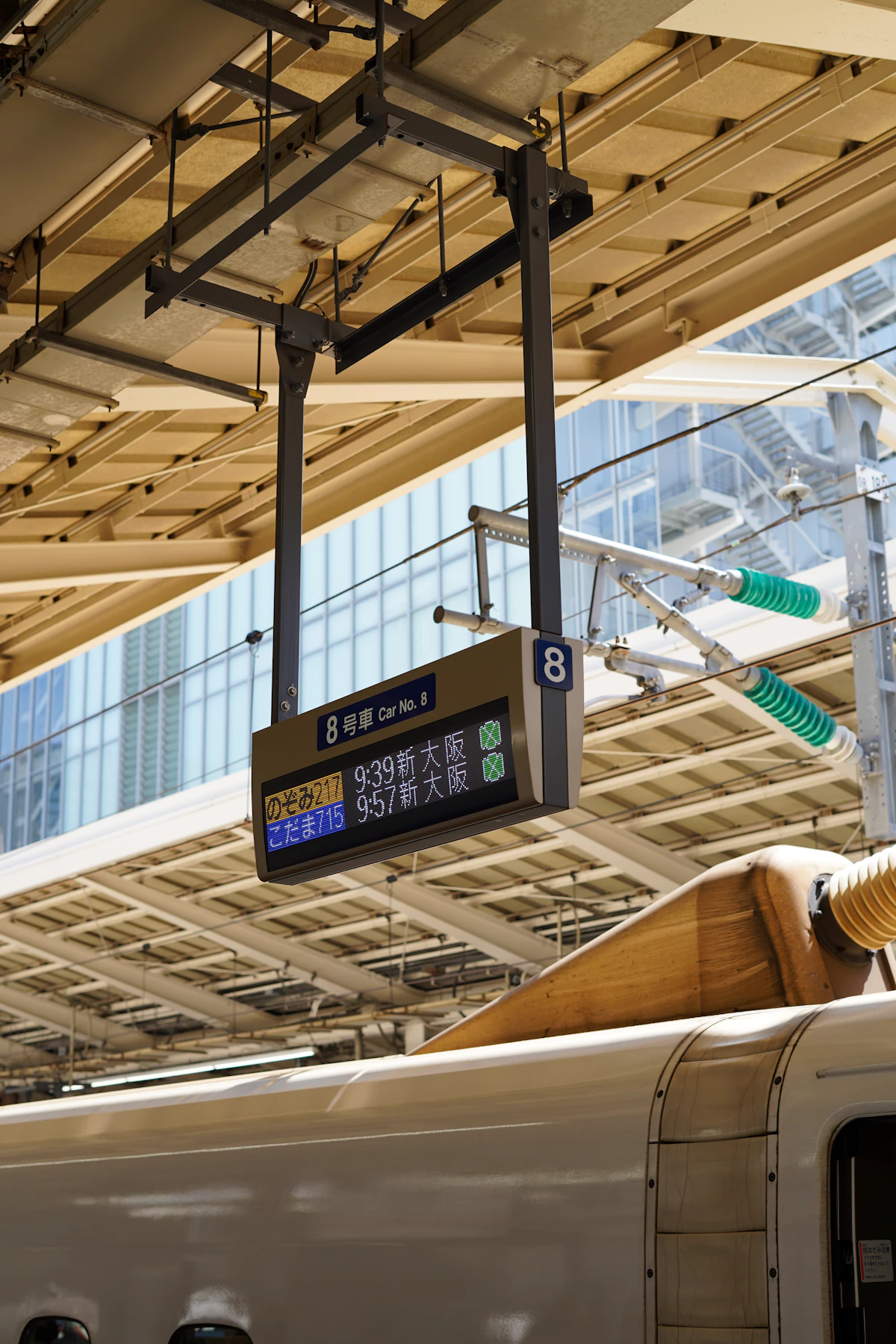
- Pass through the fare gate — Hold your SmartEX QR code or registered IC card up to the reader. If you booked via QR code, there’s no need to exchange for a paper ticket. If you have paper tickets, feed both the base fare ticket and the limited express ticket together into the slot (the base fare ticket covers the distance; the limited express ticket covers the shinkansen surcharge).
- Find your car on the platform — Car numbers are marked on the platform floor. Stand in the queue for your car number.
- Take your seat — Seat numbers are a number plus a letter, e.g. 5A.
- Settle in for the ride — Food and drinks are allowed on board. For ekiben (boxed station meals / 駅弁), Tokyo Station’s Ekiben-ya Matsuri in the Gransta Tokyo concourse (B1F, inside the fare gates) stocks over 150 varieties and is open daily from 5:30 AM to 10:00 PM. Make phone calls in the vestibule between cars. Free Wi-Fi is available throughout the journey.
Shinkansen vs. Overnight Bus vs. Local Train
The Tokyo–Osaka corridor has more transport options than almost anywhere else in Japan. The right choice depends on whether you’re prioritizing time or money.
| Option | Approximate one-way fare | Travel time | Notes |
|---|---|---|---|
| Shinkansen (Nozomi reserved) | approx. ¥14,720 | fastest 2h 21m | Fast, frequent |
| Overnight / highway bus | 4-seat row from approx. ¥3,300 / 3-seat row from approx. ¥5,000 | approx. 8–9h | Inexpensive; you save on a night’s accommodation. Prices vary by date and when you book |
| Seishun 18 Kippu (local trains) | 5-day pass ¥12,050 (approx. ¥2,410/day) | approx. 9h | Local and rapid trains only — no shinkansen or limited express. Available only in spring, summer, and winter windows |
Overnight buses cover the distance while you sleep and eliminate a night’s hotel cost, though seats are tighter than a shinkansen. Booking is available online with credit card payment. The Seishun 18 Kippu is the low-cost option, but requires multiple transfers and is only available during specific periods. These are worth considering if the schedule allows and you want to keep costs down.
Weekend Trips by Shinkansen from Tokyo
Several destinations within one to two hours of Tokyo make for easy weekend escapes. Travel times below are for the fastest available service.
- Atami — Fastest approx. 40 minutes by Hikari (Kodama takes approx. 45–50 minutes). A seaside hot spring town with a retro shopping street and cafés near the station. Works well as a day trip. Plum blossoms in late winter and early spring, beaches and fireworks in summer.
- Karuizawa — Approx. 1 hour by Hakutaka or Asama. A forested highland resort — walking along the old Karuizawa Ginza street or around Kumobaike Pond is enough to feel the cooler air. Popular for summer escapes and autumn foliage.
- Nasu (Nasushiobara / Nasu Kogen) — Approx. 1h 04m by Nasuno. A highland resort scattered with farms, art museums, and hot springs, with day-trip onsen facilities available. Pleasantly cool in summer.
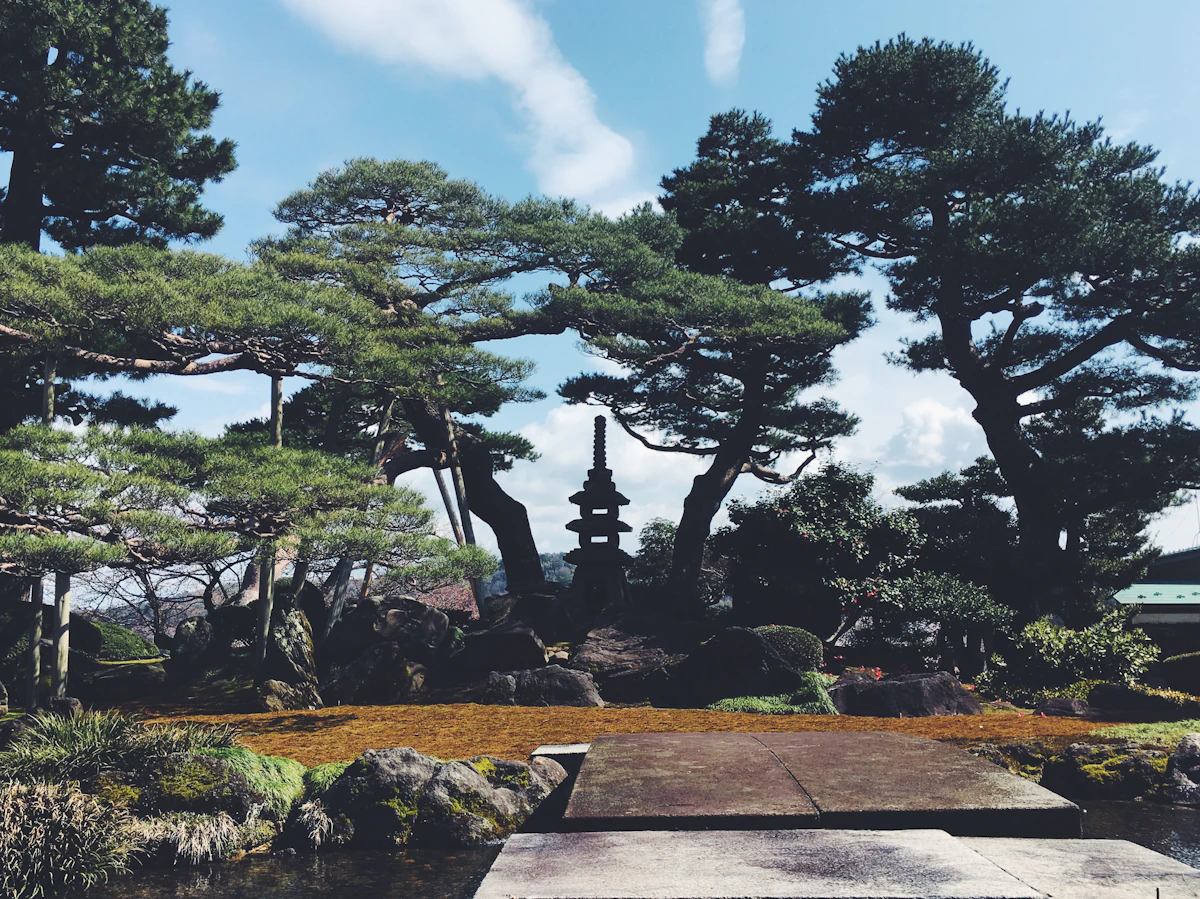
- Kanazawa — Fastest 2h 24m by Kagayaki. Home to Kenrokuen, Omicho Market, and well-preserved samurai districts — it’s a city that rewards an overnight stay. In winter, Kenrokuen under snow is a draw in its own right.
If Things Don’t Go as Planned
No unreserved seats available: During busy periods you may end up standing in the aisle. Tokyo is the first stop on the Tokaido Shinkansen, so arriving early gives you a reasonable chance of getting an unreserved seat — but if you want to be sure, book reserved.
Card declined on SmartEX: Some cards get rejected. Contact your card issuer in advance to notify them of international use, or switch to purchasing with cash at the Midori-no-madoguchi (JR ticket office).
Missed your train: With a standard ticket or reserved seat, you can board the unreserved car of any later train on the same day and the same route. Discounted advance tickets like EX Hayatoku 21 are tied to a specific train — if you miss it, the ticket is void, and you’ll need to refund and rebook.
Related Articles
- JR Pass Guide — Whether the JR Pass makes financial sense
- Navigating Tokyo’s Stations — Getting to the shinkansen platforms at Tokyo Station
- Suica Card Guide — Transferring to local trains after your shinkansen journey
Sources:
- SmartEX “Getting Started” https://smart-ex.jp/en/beginner/ (accessed: 2026-06-08)
- SmartEX “How to Board” https://smart-ex.jp/en/entraining/ (accessed: 2026-06-08)
- SmartEX “Where to Pick Up Tickets” https://smart-ex.jp/en/entraining/ticket/place/ (accessed: 2026-06-08)
- JR Central “Tokyo Station Ticket Office Guide” https://railway.jr-central.co.jp/station-guide/shinkansen/tokyo/index.html (accessed: 2026-06-08)
- SmartEX Fare Table https://smart-ex.jp/topics/pdf/%E3%82%B9%E3%83%9E%E3%83%BC%E3%83%88EX%E4%BE%A1%E6%A0%BC%E8%A1%A8.pdf (accessed: 2026-06-08)
- EX Hayatoku 21 Fare Table https://expy.jp/product/hayatoku21/pdf/hayatoku21_fares.pdf (accessed: 2026-06-08)
- EX Hayatoku 21 Product Information https://expy.jp/product/hayatoku21/ (accessed: 2026-06-08)
- JR Central “Tokyo–Shin-Osaka Travel Time” (EN) https://global.jr-central.co.jp/en/goldenroute/shinkansen/ (accessed: 2026-06-08)
- JR Central “Seasonal Reserved Seat Surcharges” https://railway.jr-central.co.jp/ticket-rule/rule30.html (accessed: 2026-06-08)
- JR Central “Unreserved Seat Surcharges” https://railway.jr-central.co.jp/ticket-rule/rule31.html (accessed: 2026-06-08)
- JR Central “Oversized Baggage” https://railway.jr-central.co.jp/oversized-baggage/ (accessed: 2026-06-08)
- JR Central “Oversized Baggage” (EN) https://global.jr-central.co.jp/en/info/oversized-baggage/ (accessed: 2026-06-08)
- JR Central “Trial Unreserved Luggage Area Announcement” https://jr-central.co.jp/news/release/_pdf/000044215.pdf (accessed: 2026-06-08)
- JR Central “All Nozomi Seats Reserved” (EN) https://global.jr-central.co.jp/en/nozomi/ (accessed: 2026-06-08)
- JR Central “Seat Types” (EN) https://global.jr-central.co.jp/en/tickets/type/types.html (accessed: 2026-06-08)
- JR Central “Free Wi-Fi” (EN) https://global.jr-central.co.jp/en/info/wireless/ (accessed: 2026-06-08)
- JR East “E5 Series (Hayabusa/Yamabiko)” https://www.jreast.co.jp/train/shinkan/e5.html (accessed: 2026-06-08)
- JR East “E7 Series (Kagayaki/Hakutaka)” https://www.jreast.co.jp/train/shinkan/e7.html (accessed: 2026-06-08)
- JR East “2026 Fare Revision” https://www.jreast.co.jp/en/2026unchin-kaitei/ (accessed: 2026-06-08)
- JR East “Revised Fare Search” https://unchinkensaku.jre-maas.com/ (accessed: 2026-06-08)
- JR West “Hokuriku Area Timetable Revision” https://www.westjr.co.jp/press/article/items/251212_00_press_daiyakaisei_hokurikuarea.pdf (accessed: 2026-06-08)
- Eki-net https://www.eki-net.com/en/ (accessed: 2026-06-08)
- Japan Rail Pass “Nozomi/Mizuho Special Ticket” https://japanrailpass.net/en/use/special-ticket/ (accessed: 2026-06-08)
- Japan Rail Pass “Covered Routes” https://japanrailpass.net/en/about_jrp/route/ (accessed: 2026-06-08)
- Japan Rail Pass “Prices” https://japanrailpass.net/en/purchase/price/ (accessed: 2026-06-08)
- Nishi-Nippon JR Bus “Tokyo–Osaka Fare Table” https://timetable.nishinihonjrbus.co.jp/faretable/1-2-N.html (accessed: 2026-06-08)
- JR Group “Seishun 18 Kippu” https://www.jreast.co.jp/press/2025/20260205_ho02.pdf (accessed: 2026-06-08)
- Gransta Tokyo “Ekiben-ya Matsuri” https://www.gransta.jp/mall/gransta_tokyo/ekibenyamatsuri/ (accessed: 2026-06-08)
- Atami Tourism Association https://www.ataminews.gr.jp/ (accessed: 2026-06-08)
- Karuizawa Tourism Association https://karuizawa-kankokyokai.jp/en/ (accessed: 2026-06-08)
- Nasu Tourism Association https://www.nasukogen.org/ (accessed: 2026-06-08)
- Kenrokuen https://kenrokuen.or.jp/ (accessed: 2026-06-08)
- Kanazawa Tourism Association https://www.kanazawa-kankoukyoukai.or.jp/ (accessed: 2026-06-08)
* This article was translated from the original Japanese with the help of machine translation. Some expressions may not read naturally.


