F O O D
How to Order at an Izakaya in Tokyo: Otoshi, Nomihoudai & the Unwritten Rules (2026)
Izakaya ordering from entry to bill. The otoshi charge explained, all-you-can-drink deals from ¥1,500, what to order, what to say, and how to pay.
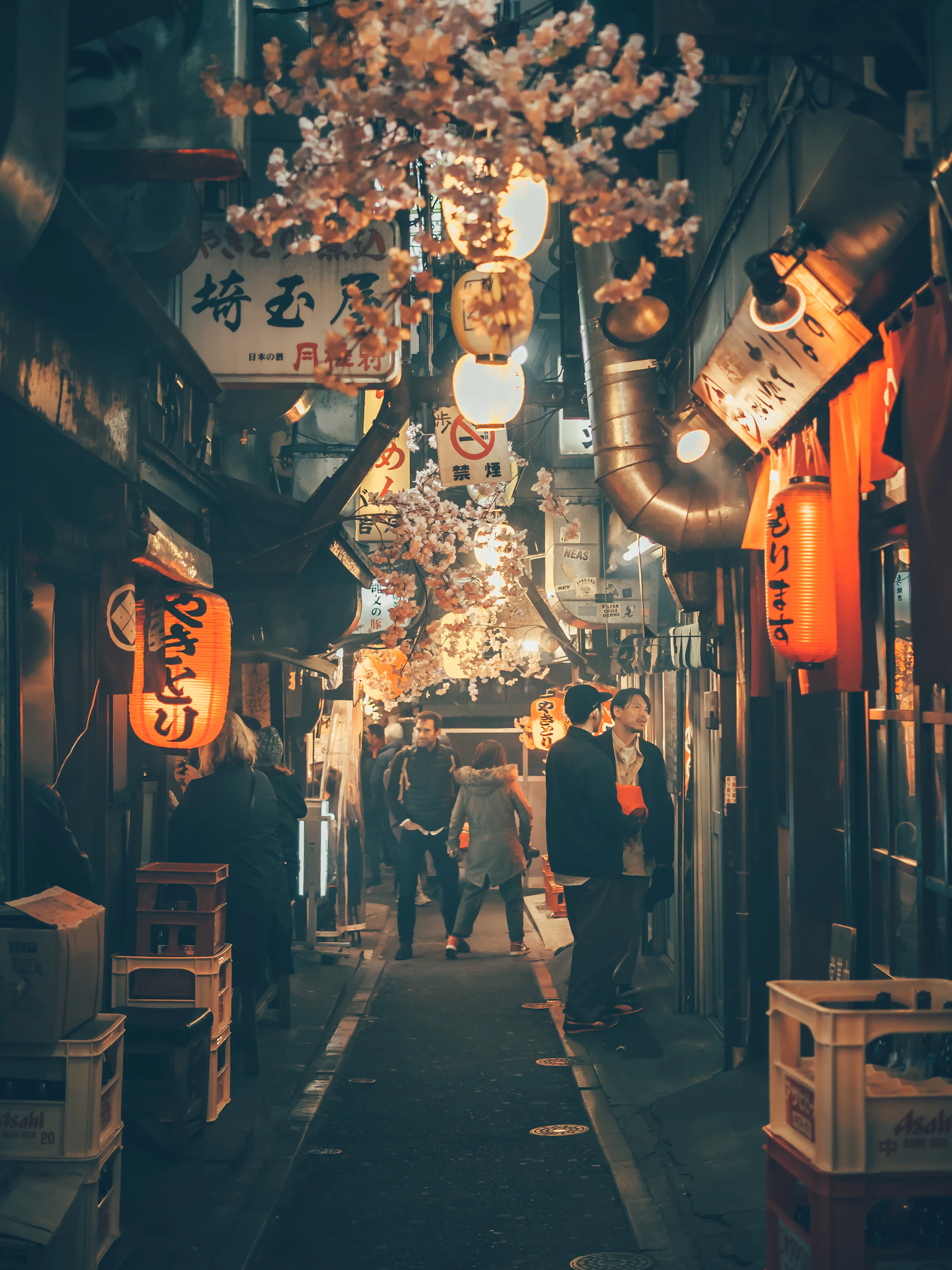
Quick Answer
- At the door: Hold up fingers for your group size. A small dish will arrive uninvited — this is otoshi (お通し, ¥300–¥500 per person), a mandatory table charge with a starter appetizer. It’s not a scam. It’s Japan’s version of a cover charge.
- First order: drinks. Say 「とりあえずビール」 (toriaezu biiru — “beer for starters”). Then order 3–5 small dishes to share for two people.
- Can’t read the menu? Safe picks: 枝豆 (edamame), 唐揚げ (fried chicken), ポテトサラダ (potato salad), 焼き鳥 (yakitori), 刺身盛り合わせ (sashimi platter).
- All-you-can-drink (飲み放題, nomihoudai): ¥1,500–¥2,500 for 2 hours. Insane value for groups. Ask: 「飲み放題ありますか?」
- To pay: Say 「お会計お願いします」 (okaikei onegaishimasu). Pay at the register near the exit. No tipping. Cash is safest — many small izakaya don’t accept cards.
- Book via Hot Pepper Gourmet or Tabelog for popular chains. Weekend evenings (Fri/Sat after 7 PM) are packed — reserve 2–3 days ahead.
- Nomihoudai (飲み放題) courses are the best value: ¥3,000–¥5,000 per person for 2 hours of unlimited drinks + 5–8 dishes. Look for 「コース」 on the menu or website.
- Chain izakaya with tablet ordering: Torikizoku (全品均一¥350), Shinjidai (焼鳥50円〜), Kin no Kura, Watami. English tablet menus available at most.
- PayPay is your friend. Small independent izakaya that don’t take credit cards often accept PayPay. Check the door sticker before sitting down.
- Last order (ラストオーダー) comes 30 min before closing, or 30 min before your nomihoudai time expires. Don’t miss it.
What You’ll Learn
✅ Full ordering flow — from entering to paying, every step with exact Japanese phrases
⏱️ Time — 2–3 hours typical (no rush like ramen shops)
💰 Cost — ¥2,000–¥4,000 per person (food + drinks), or ¥3,000–¥5,000 for nomihoudai course
⚠️ Pitfalls — the otoshi surprise, the “last order” deadline, splitting the bill
Step 1: Entering the Izakaya

Look for red lanterns (赤提灯) and noren curtains — the classic signs of an izakaya.
The Door Conversation
Staff: 「いらっしゃいませ!何名様ですか?」(Irasshaimase! Nan-mei-sama desu ka?) — “Welcome! How many?”
You: Hold up fingers. Two fingers = two people. Simple.
Staff: 「カウンターでもよろしいですか?」(Kauntaa demo yoroshii desu ka?) — “Is the counter okay?”
You: Nod yes, or say 「テーブル席はありますか?」(teeburu seki wa arimasu ka?) — “Do you have a table?”
Seating Types
| Type | Japanese | What it is | Note |
|---|---|---|---|
| Table | テーブル席 | Standard chairs and table | Most common |
| Counter | カウンター | Bar-style seating | Good for solo/couples |
| Tatami | 座敷 (zashiki) | Floor seating on tatami mats | Remove shoes. Store in the cubby |
| Private room | 個室 (koshitsu) | Enclosed room for groups | Often requires reservation |
TRAP: Tatami seating. If you’re led upstairs or to a raised platform, check if there’s a shoe cubby. Sitting on tatami with shoes on is a serious faux pas. If you see everyone else shoeless, take yours off.
Step 2: The Otoshi — That Dish You Didn’t Order
Within 30 seconds of sitting down, a small dish arrives that you didn’t order. This is otoshi (お通し) or tsukidashi (突き出し).
What it is: A mandatory table charge (¥300–¥500 per person) that comes with a small appetizer — edamame, marinated tofu, pickled vegetables, or whatever the kitchen prepared that day.
It is not a scam. This is standard practice at nearly every izakaya in Japan. Think of it as Japan’s version of a cover charge at a bar, but you actually get food with it.
Can you refuse it? Technically, some chain izakaya let you decline. At independent shops, refusing otoshi is like refusing bread at an Italian restaurant — you can, but it’s awkward and the charge may still appear on your bill.
Counter-intuitive advice: The otoshi is actually useful. It gives you something to nibble on while you decide what to order, and it arrives in the gap between ordering drinks and food. Eat it and move on.
Step 3: Ordering Drinks First
In Japan, the standard izakaya flow is: drinks → food → more drinks → more food → bill.
The Magic Phrase
You: 「とりあえずビール」(Toriaezu biiru) — “Beer for starters”
This is the single most famous izakaya phrase in Japan. It means “let’s get beer while we figure out the rest.” Your entire table says it. The staff nod knowingly. Beer arrives in 60 seconds. Then you have time to study the food menu.
Drink Menu Cheat Sheet
| Japanese | Pronunciation | What it is | Price range |
|---|---|---|---|
| 生ビール | Nama biiru | Draft beer (Asahi, Kirin, or Suntory) | ¥400–¥600 |
| ハイボール | Haibōru | Whisky + soda (very popular in Japan) | ¥350–¥500 |
| レモンサワー | Remon sawā | Shochu + soda + lemon | ¥350–¥500 |
| チューハイ | Chūhai | Shochu + soda + fruit flavor | ¥350–¥500 |
| 日本酒 | Nihonshu | Sake (hot or cold) | ¥400–¥800 |
| 梅酒 | Umeshu | Plum wine (sweet) | ¥400–¥600 |
| ソフトドリンク | Sofuto dorinku | Non-alcoholic (oolong tea, cola) | ¥200–¥400 |
Staff might ask: 「最初のお飲み物は?」(Saisho no o-nomimono wa?) — “First drinks?”
For hot sake: 「熱燗ください」(Atsukan kudasai) — “Hot sake please”
For cold sake: 「冷酒ください」(Reishu kudasai) — “Cold sake please”
Recommendation: 「おすすめの日本酒は?」(Osusume no nihonshu wa?) — “What sake do you recommend?”
Step 4: Ordering Food
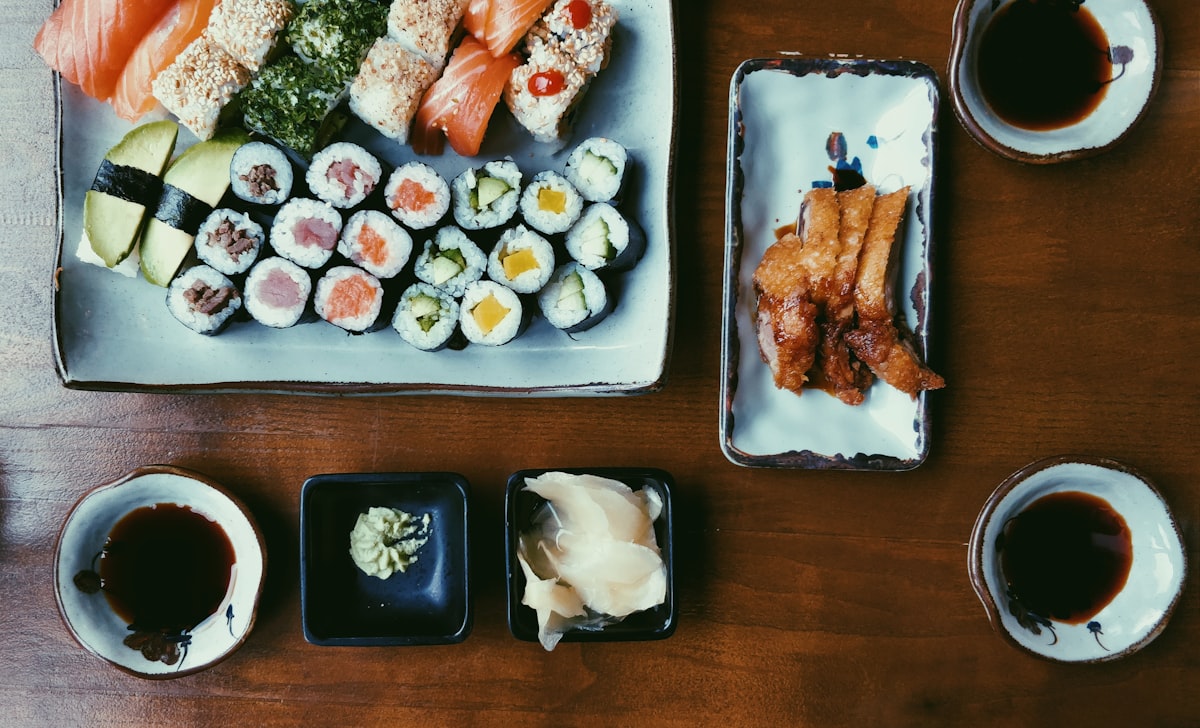
Izakaya food is designed for sharing — small plates, big variety.
How to Call the Staff
Three methods:
- Call button (呼び出しボタン) — most chains and modern izakaya have one on the table
- Tablet ordering — increasingly common at chain izakaya (Torikizoku, Watami, Kin no Kura)
- Raise your hand and say 「すみません」(sumimasen) — works everywhere
How Much to Order
Rule of thumb: Order 3–5 dishes for 2 people. Izakaya portions are small (designed for sharing). You can always add more later. Nobody orders everything at once — it’s a progression.
Ordering flow:
- Round 1 (with drinks): 2–3 quick dishes — edamame, karaage, potato salad
- Round 2: 2–3 more — yakitori, sashimi, grilled fish
- Round 3 (finishing): Rice or noodles — ochazuke, yakisoba, or onigiri
The Safe-Order Menu (Can’t Go Wrong)
| Japanese | Pronunciation | English | Why order it |
|---|---|---|---|
| 枝豆 | Edamame | Salted soybeans | The universal izakaya starter |
| 唐揚げ | Karaage | Japanese fried chicken | Crispy, juicy, universally loved |
| ポテトサラダ | Poteto sarada | Potato salad | Creamier and better than you expect |
| 焼き鳥 盛り合わせ | Yakitori moriawase | Grilled chicken skewer platter | Get the assortment — 5–6 types |
| 刺身盛り合わせ | Sashimi moriawase | Sashimi platter | Fresh raw fish assortment |
| たこわさ | Takowasa | Octopus with wasabi | Crunchy, spicy, addictive |
| 厚揚げ | Atsuage | Fried tofu | Crispy outside, soft inside. Good vegetarian option |
| 焼きそば | Yakisoba | Fried noodles | Great finishing dish |
| お茶漬け | Ochazuke | Rice with tea/broth poured over | The perfect end to a night of drinking |
For Adventurous Eaters
| Japanese | English | Notes |
|---|---|---|
| もつ煮込み | Stewed organ meat | Rich, hearty. A Tokyo izakaya classic |
| ホルモン | Grilled organ meat | Chewy texture, strong flavor |
| なんこつ唐揚げ | Fried chicken cartilage | Crunchy, surprisingly good |
| 馬刺し | Raw horse meat sashimi | Lean, mild. A delicacy in some regions |
| ユッケ | Raw beef tartare | Rich, egg yolk on top |
All-You-Can-Drink (飲み放題): The Best Deal in Tokyo
Nomihoudai (飲み放題) = unlimited drinks for a fixed time and price. Available at most chain izakaya and many independent ones.
How It Works
| Detail | Typical terms |
|---|---|
| Price | ¥1,500–¥2,500 per person (drinks only) |
| Course price | ¥3,000–¥5,000 per person (drinks + 5–8 dishes) |
| Duration | 2 hours (sometimes 90 min or 3 hours) |
| What’s included | Beer, highball, chuhai, sake, shochu, soft drinks. Cocktails sometimes extra |
| What’s NOT included | Premium sake, premium whisky, wine (usually) |
| Last order | 30 min before time expires |
How to Order Nomihoudai
You: 「飲み放題ありますか?」(Nomihoudai arimasu ka?) — “Do you have all-you-can-drink?”
Staff: 「2時間で¥1,980です」— “2 hours for ¥1,980”
You: 「お願いします」(Onegaishimasu) — “Yes please”
TRAP: The “last order” clock. Staff will announce 「ラストオーダーです」(rasuto ōdā desu) 30 minutes before your time is up. Order everything you want at that moment — there’s no second chance. Most tables order 2–3 drinks at last order to coast through the final 30 minutes.
Counter-intuitive advice: The nomihoudai course (food + drinks) is almost always a better deal than ordering food and drinks separately. Even if the food selection is limited, the math works out cheaper for groups of 3+.
Step 5: Paying the Bill
How to Ask for the Bill
You: 「お会計お願いします」(Okaikei onegaishimasu) — “Check, please”
Or: Make an X with your index fingers (the Japanese gesture for “check please”). Staff understand this.
Where You Pay
Most izakaya: At the register near the exit. Staff give you a bill, you take it to the register, pay there.
Some izakaya: Table payment (staff bring a handheld terminal).
Payment Methods
| Method | Acceptance at izakaya |
|---|---|
| Cash | 100% — always works |
| Credit card (Visa/Mastercard) | ~70% of chain izakaya, ~40% of independent |
| PayPay | ~60% — surprisingly common even at small shops |
| Suica / IC card | ~50% at chains, rare at independents |
Cash is safest. Small, old-school izakaya with handwritten menus and 10 seats? Cash only, guaranteed. See our payment methods guide for details on what works where.
Splitting the Bill
Japanese izakaya culture defaults to 割り勘 (warikan) — splitting evenly among the group, regardless of who ate or drank more.
If you need to split: 「別々でお願いします」(Betsubetsu de onegaishimasu) — “Separate checks, please.” Not all izakaya can do this — simpler to pay one bill and Venmo/PayPay each other.
No tipping. Zero. Not negotiable. Leaving extra money confuses the staff.
The Unwritten Rules
1. Pour for Others, Not Yourself
At a group gathering, pour drinks for others (especially seniors or bosses). Hold the bottle with two hands when pouring. When someone pours for you, hold your glass with both hands. Never pour your own drink when dining with Japanese colleagues — someone else will notice and fill your glass.
2. The Kampai Ritual
Nobody drinks until everyone has a drink and someone says 「乾杯!」 (Kanpai! — “Cheers!”). Wait for it. Clinching glasses is common but not required.
3. Don’t Move Dishes to Your Plate with Chopsticks
Use the serving utensils or flip your chopsticks around to use the clean end. Never pass food chopstick-to-chopstick — it resembles a funeral ritual and deeply unsettles Japanese people.
4. Shoes Off on Tatami
This isn’t optional. If you’re on a raised tatami platform, shoes come off at the step. Socks stay on (bare feet on tatami is slightly uncouth).
Troubleshooting
| Problem | Cause | Solution |
|---|---|---|
| ”A dish arrived that I didn’t order” | That’s otoshi (table charge) | Eat it. It’s ¥300–¥500 and included automatically |
| ”I can’t read the menu at all” | Japanese-only menu, no photos | Point at other tables’ food and say 「あれと同じものください」(are to onaji mono kudasai — “same as that, please”) |
| “The staff keep ignoring me” | They’re waiting for the call button or すみません | Press the button or say すみません louder (it’s not rude in Japan) |
| “I’m still hungry” | Izakaya portions are small | Order more dishes. This is normal and expected. The kitchen stays open |
| ”My bill seems too high” | Otoshi charge + tax (10%) + possible table charge at premium izakaya | Check for otoshi line items (お通し). 10% consumption tax is added at some places |
| ”I need to leave but nomihoudai time isn’t up” | Schedule conflict | You can leave anytime. You’ve already paid for the time |
Chain Izakaya Worth Knowing
For tourists and residents who want reliable, affordable, and foreigner-friendly izakaya:
| Chain | Per-person cost | Specialty | English menu | Notes |
|---|---|---|---|---|
| Torikizoku (鳥貴族) | ¥2,000–¥3,000 | Yakitori (all items ¥350) | Tablet (EN) | Best value yakitori chain |
| Shinjidai (新時代) | ¥1,500–¥2,500 | Dengushi chicken skin (¥50/skewer) | Limited | Fast-growing, ultra-cheap |
| Watami (和民) | ¥2,500–¥4,000 | General izakaya | Tablet (EN) | Good nomihoudai courses |
| Kin no Kura (金の蔵) | ¥2,000–¥3,500 | General izakaya | Tablet (EN) | Cheap nomihoudai |
| Uotami (魚民) | ¥2,500–¥4,000 | Seafood-focused | Tablet (EN) | Good sashimi for a chain |
FAQ
What is otoshi and can I refuse it?
Otoshi (お通し) is a mandatory appetizer/table charge of ¥300–¥500 per person at most izakaya. It’s a standard Japanese custom, not a tourist trap. Some chain izakaya will let you decline if you ask, but the charge may still apply. At independent izakaya, refusing is socially awkward and won’t save you money. Just eat it.
Is nomihoudai worth it?
Yes, if you drink 3+ drinks. A single beer is ¥400–¥600. Three beers = ¥1,200–¥1,800. Nomihoudai starts at ¥1,500 for unlimited drinks for 2 hours. The math is simple. For groups of 3+, a nomihoudai course with food is almost always cheaper than ordering everything separately.
Can I go to an izakaya alone?
Absolutely. Counter seating is designed for solo diners. Some izakaya are even built around solo dining (think of it as bar seating with better food). You won’t look out of place. Order 2–3 dishes and a couple of drinks. Perfect weeknight dinner.
What if I don’t drink alcohol?
Every izakaya has soft drinks: oolong tea, cola, ginger ale, orange juice. Order 「ソフトドリンクのメニューありますか?」(sofuto dorinku no menyuu arimasu ka?). Non-alcoholic beer (ノンアルコールビール) is increasingly popular and available at most chains. You can also join a nomihoudai plan with soft drinks only (usually cheaper).
How late are izakaya open?
Most chain izakaya: until midnight or later (some until 5 AM). Independent izakaya: typically 5 PM – midnight. Last order is usually 30–60 minutes before closing. Late-night options: late-night restaurant guide.
Related Guides
- How to Eat Sushi in Tokyo — Conveyor belt to omakase
- How to Order at a Ramen Shop — Ticket machines and ramen customs
- How to Order at Any Restaurant in Japan — General restaurant guide
- Payment Methods in Japan — Cash, cards, IC cards
- Late-Night Restaurants in Tokyo — When izakaya close and you’re still hungry
Last verified: February 2026 at Torikizoku Shibuya, Shinjidai Shinjuku, and independent izakaya in Yurakucho.