H E A L T H C A R E
How to Handle Emergencies in Tokyo: Numbers, Scripts & What to Say
119 for ambulance, 110 for police, #7119 for advice — exact Japanese phrases to say, earthquake basics, and the JNTO hotline that works 24/7.
Quick Answer
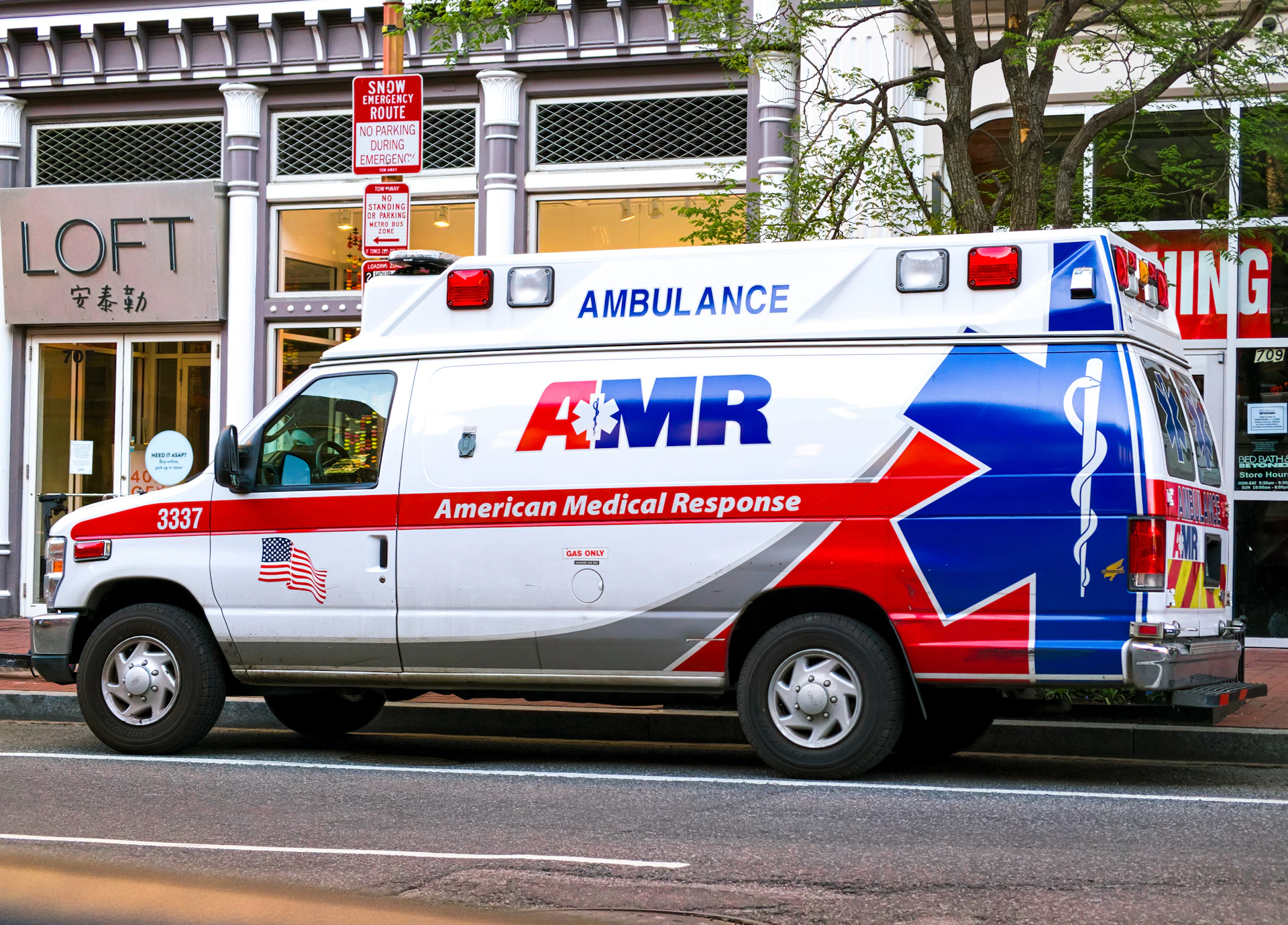
- Medical emergency: Call 119. Say 「救急です」 (kyūkyū desu). Ambulance is free. Arrives in 7–8 min in central Tokyo.
- Crime or danger: Call 110 (police). For English support: JNTO hotline 050-3816-2787 (24/7, English).
- Not sure it’s an emergency? Call #7119 — 24/7 medical advice. They’ll tell you ambulance vs. clinic.
- Earthquake right now? Drop, cover, hold. Don’t run outside. Wait for shaking to stop. Download Safety Tips app (free, JNTO).
- Bring to ER: Passport + travel insurance + cash ¥20,000. You’ll be treated even without insurance.
- Medical emergency: Call 119. Say 「救急です」 (kyūkyū desu). Ambulance is free. Arrives in 7–8 min in central Tokyo.
- Crime or danger: Call 110 (police). Walk to the nearest 交番 (koban, police box) for non-urgent issues.
- Not sure it’s an emergency? Call #7119 — 24/7 medical advice. They’ll tell you ambulance vs. clinic.
- Bring to ER: Insurance card (保険証) + residence card (在留カード). Without insurance: full price but always treated.
- Night/holiday clinics: Check your ward’s website for 休日夜間診療所 locations. Or call Himawari: 03-5285-8181.
What This Guide Covers
✅ You’ll know how to:
- Call for an ambulance and say the right words in Japanese
- Report a crime to police (even with zero Japanese)
- Handle an earthquake, typhoon, or natural disaster
- Find the nearest koban (police box) for non-urgent help
- Use the JNTO hotline and Safety Tips app
⏱️ Ambulance response time: 7–8 minutes in central Tokyo (national average: 10.3 minutes, 2024 FDMA data)
💰 Cost: Ambulance ride is FREE. ER visit: ¥20,000–¥50,000 without insurance, ¥5,000–¥15,000 with insurance.
⚠️ Critical mistakes to avoid:
- Calling 119 for a cold or minor issue (use #7119 instead)
- Running outside during an earthquake (stay inside, under a table)
- Not knowing your address in Japanese (save it on your phone NOW)
Japan’s Emergency Numbers: The Complete List
| Number | Service | When to Call | Language |
|---|---|---|---|
| 119 | Fire & Ambulance | Medical emergency, fire, rescue | Japanese (some English) |
| 110 | Police | Crime, accident, immediate danger | Japanese (some English) |
| #7119 | Medical Advice (Tokyo) | “Should I call an ambulance?” | Japanese (some English) |
| 118 | Coast Guard | Maritime emergency | Japanese |
| 171 | Disaster Message Dial | Leave/check messages after disaster | Japanese |
| 050-3816-2787 | JNTO Tourist Hotline | Any emergency, English support 24/7 | English, Chinese, Korean |
| 03-5285-8181 | Himawari Medical Info | Find a hospital, medical translation | English, Chinese, Korean, Spanish, Thai |
The one number every foreigner should memorize: 119. It’s Japan’s equivalent of 911/999/112 for medical emergencies and fires.
How to Call 119 (Ambulance): Exact Script
When you call 119, the dispatcher speaks Japanese. Here’s exactly what they’ll ask and what you say:
The Conversation
Dispatcher: 「火事ですか?救急ですか?」 (Kaji desu ka? Kyūkyū desu ka? — Fire or ambulance?)
You: 「救急です」 (Kyūkyū desu — Ambulance, please)
Dispatcher: 「住所はどこですか?」 (Jūsho wa doko desu ka? — What’s your address?)
You: Give your address in Japanese, OR say:
「[ランドマーク]の近くです」 (… no chikaku desu — Near [landmark]) Example: 「新宿駅の近くです」(Shinjuku-eki no chikaku desu — Near Shinjuku Station)
Dispatcher: 「どうしましたか?」 (Dō shimashita ka? — What happened?)
You: Describe simply:
- 「倒れました」(Taoremashita — Someone collapsed)
- 「意識がありません」(Ishiki ga arimasen — They’re unconscious)
- 「息ができません」(Iki ga dekimasen — Can’t breathe)
- 「血が出ています」(Chi ga dete imasu — There’s bleeding)
- 「胸が痛いです」(Mune ga itai desu — Chest pain)
Dispatcher: 「年齢と性別は?」 (Nenrei to seibetsu wa? — Age and gender?)
You: 「[X]歳の男性/女性です」 (… sai no dansei/josei desu)
Critical Tips
- Stay on the line. Don’t hang up until they tell you to.
- If you can’t speak Japanese at all: Say “English please” — some dispatchers speak basic English, or they’ll transfer you. Alternatively, call JNTO 050-3816-2787 first and they can call 119 on your behalf or do three-way translation.
- Send someone outside to wave down the ambulance if you can.
- Ambulance is FREE. No charge for the ride. You pay for treatment at the hospital.
Save Your Address Now
Most people panic and can’t remember their address in Japanese. Do this right now:
- Open Google Maps
- Drop a pin on your hotel/apartment
- Screenshot the Japanese address
- Save it in your phone’s notes
The dispatcher needs a street address or landmark. “I’m at a Starbucks” won’t work — there are thousands.
How to Call 110 (Police)
Call 110 for:
- Crime in progress (theft, assault, suspicious person)
- Traffic accident
- Immediate safety threat
The script:
Dispatcher: 「事件ですか?事故ですか?」 (Jiken desu ka? Jiko desu ka? — Crime or accident?)
You:
- Crime: 「事件です」(Jiken desu)
- Accident: 「事故です」(Jiko desu)
Then give your location and describe what happened.
For Non-Urgent Issues: Go to a Koban
Koban (交番) are small police boxes found every few blocks in Tokyo, especially near train stations. They’re staffed 24/7 and handle:
- Lost items (Japan’s lost-and-found system is incredible — 83% of lost wallets are returned)
- Directions
- Minor disputes
- Filing police reports (for insurance claims after theft)
What to say at a koban:
「すみません、[財布/スマホ/パスポート]をなくしました」 (Sumimasen, [saifu/sumaho/pasupōto] o nakushimashita — I lost my [wallet/phone/passport])
For lost passports, you’ll also need to visit your embassy. See our lost passport guide.
The “#7119 Rule”: When You’re Not Sure
This is the most underused number among foreigners. #7119 is Tokyo’s 24/7 medical consultation hotline. Nurses and doctors answer and help you decide:
- “Should I call an ambulance?” → They’ll tell you yes or no.
- “Can this wait until morning?” → They’ll assess your symptoms.
- “Where’s the nearest open clinic right now?” → They’ll give you specific names and addresses.
Use #7119 when:
- It’s 2 AM and you have a high fever but can walk
- Your child is vomiting but seems alert
- You hurt your ankle but it might just be a sprain
- You’re having chest tightness but it might be anxiety
Don’t use #7119 when:
- Someone is unconscious → Call 119 immediately
- There’s heavy bleeding → Call 119 immediately
- Someone isn’t breathing → Call 119 immediately
Rule of thumb: If you’re debating whether to call 119, call #7119 first. They’ll escalate to 119 if needed.
JNTO Tourist Hotline: Your English Lifeline
📞 050-3816-2787 — 24 hours, 365 days, English/Chinese/Korean
This is the number tourists don’t know about until they need it. JNTO (Japan National Tourism Organization) runs this hotline, and it handles:
- Medical emergencies (they can translate between you and 119 dispatchers)
- Police matters
- Natural disaster information
- General safety questions
When to use it: If you can’t communicate with 119 or 110 dispatchers in Japanese, call JNTO first. They can do three-way calling with emergency services.
Natural Disasters: Earthquakes & Typhoons
Earthquakes

Japan experiences about 1,500 felt earthquakes per year. Most are minor. But you should know what to do.
During shaking:
- Drop, Cover, Hold On. Get under a sturdy table or desk.
- Don’t run outside. Falling glass and debris are more dangerous than a modern building.
- Stay away from windows, bookshelves, and heavy objects.
- If in bed: Cover your head with a pillow. Stay in bed.
- If outside: Move away from buildings, power lines, and vending machines.
- If on a train: Hold on. Trains stop automatically. Follow staff instructions.
After shaking stops:
- Check for injuries.
- Turn off gas stoves (if in an apartment).
- Open a door/window (buildings can shift and jam doors).
- Check your phone for tsunami warnings.
- Don’t use elevators.
Where to evacuate: Every neighborhood has designated evacuation areas (避難場所). Your nearest park or school is usually the go-to. Hotels will guide you.
Typhoons
Typhoon season runs June–October. When a typhoon is approaching:
- Stock water and food for 2–3 days.
- Charge all devices.
- Stay indoors — don’t go outside during the storm.
- Trains will stop. Plan to stay where you are.
- Check NHK World (English) or the Safety Tips app for updates.
The Safety Tips App (Download This Now)
Safety Tips by Japan Tourism Agency — free on iOS and Android. It sends push notifications in English for:
- Earthquake early warnings
- Tsunami warnings
- Severe weather alerts
- Volcanic eruption warnings
- Heat stroke warnings
Available in: English, Chinese (Simplified/Traditional), Korean, Japanese, Spanish, Portuguese, Vietnamese, Thai, Indonesian, Tagalog, Nepali, Khmer, Burmese, Mongolian.
Download it before you need it. Search “Safety Tips” in your app store.
At the Emergency Room: What to Expect
You arrive at the ER (救急外来, kyūkyū gairai). Here’s the process:
- Triage. A nurse assesses severity. Life-threatening cases go first. A broken wrist waits; a heart attack doesn’t.
- Registration. Hand over passport/ID and insurance. If no insurance, you’ll still be treated — billing comes later.
- Treatment. Doctor examines and treats you. Tests (blood, X-ray, CT) may happen.
- Payment. ER visits without insurance: ¥20,000–¥50,000 (consultation + tests). With insurance: ¥5,000–¥15,000.
- Discharge. You may be admitted or sent home. If sent home, you arrange your own transportation — the hospital won’t call you a taxi.
Important: Japan’s ambulance system may take you to a hospital far from your hotel if nearby ERs are full. This is normal. Save your hotel address to show a taxi driver after discharge.
When Things Don’t Work Out
| Problem | Cause | Solution |
|---|---|---|
| 119 dispatcher doesn't understand English | Most dispatchers speak limited English | Call JNTO (050-3816-2787) first for English translation. Or say key Japanese phrases from the script above. |
| Ambulance took you to a hospital far away | Nearest ERs were full | Normal in Japan. After discharge, take a taxi back. Save your hotel address in Japanese on your phone. |
| ER refused to see you or sent you away | Rare but happens if you visit for a non-emergency (cold, mild pain) | Use #7119 to find a night clinic instead. ERs reserve capacity for true emergencies. |
| You're charged ¥50,000+ at the ER | No insurance, or tests and treatment were expensive | Ask for a 領収書 (receipt) and 診療明細書 (itemized statement). File with your travel insurer. |
| Earthquake — building is shaking | Earthquake | Drop, cover, hold on. Don't run outside. Modern buildings in Japan are designed for this. |
FAQ
Q: Is calling an ambulance really free in Japan?
A: Yes. The ambulance ride itself costs nothing — it’s funded by your taxes (or, for tourists, by Japanese taxpayers). You only pay for treatment at the hospital. However, Japan has been discussing adding a fee for non-emergency ambulance calls (people calling 119 for minor issues). As of 2026, some areas charge ¥7,700 if the ER determines your condition was non-urgent. Don’t abuse 119.
Q: What if I call 119 and don’t speak Japanese?
A: Say “English please” — some dispatchers can manage basic English. If not, call JNTO 050-3816-2787 first (24/7, English) and they’ll help facilitate. In an absolute emergency, just say 「救急です」 and your location — they’ll send an ambulance even with minimal communication.
Q: Should I go to the ER for food poisoning?
A: Usually no. Call #7119 first. Mild food poisoning (nausea, diarrhea, no fever) can be handled at a clinic the next morning. Go to the ER only if: you can’t keep any fluids down for 6+ hours, you have a fever over 39°C, you see blood, or you feel faint/dizzy. #7119 will help you decide.
Q: Where’s the nearest hospital right now?
A: Open Google Maps and search 「救急病院」 (kyūkyū byōin, emergency hospital). Or call #7119 and they’ll tell you exactly which hospital is accepting patients right now. Availability changes hour by hour, so a phone call is more reliable than Google.
Q: What should I keep in my emergency bag?
A: Water (2L per person), flashlight, portable phone charger, copy of passport and insurance card, cash (¥20,000 in small bills), basic medications (pain reliever, anti-diarrheal), list of emergency contacts, and your address written in Japanese. If you live in Japan: add a change of clothes, wet wipes, and a whistle.
Related Guides
- How to Find an English-Speaking Hospital — Finding clinics and making appointments
- How to Visit a Hospital as a Tourist — The full hospital visit walkthrough
- How to Visit a Pharmacy — OTC medicine and filling prescriptions
- Lost Passport in Tokyo — What to do if you lose your passport
- Trouble Response Hub — Central guide for all trouble situations