T R A N S P O R T
Tokyo Airport to City Center: Every Option from Narita & Haneda Compared
N'EX, Skyliner, Keikyu, Monorail, Limousine Bus, taxi — fares, travel times, and which to pick. Updated for 2026.

Quick Answer
- From Narita → Shinjuku/Shibuya: Take the N’EX (Narita Express). ¥3,250, ~80 min, direct. Reserved seats, luggage racks, no transfers.
- From Narita → Ueno/Asakusa: Take the Keisei Skyliner. ¥2,520, 36 min to Nippori. Fastest train from Narita.
- From Narita → on a budget: Keisei Access Express. ¥1,270, ~60 min to Asakusa. No reservation needed.
- From Haneda → anywhere on Yamanote Line: Keikyu to Shinagawa (¥300, 11 min) then transfer. Cheapest and fastest.
- Buy a Welcome Suica at the airport before anything else. You’ll need it for every train ride. → Full Suica guide
- Arriving after midnight? No trains. Taxi, pre-booked shuttle, or sleep at airport hotel until 5 AM first train.
- From Narita: N’EX if your company pays, Access Express (¥1,270) if you’re paying. Skyliner if you live near Ueno/Nippori.
- From Haneda: Keikyu to Shinagawa (¥300) or Monorail to Hamamatsucho (¥500). Both connect to the Yamanote Line within minutes.
- Late night from Haneda: Taxi to central Tokyo is ¥5,000–¥8,000 — reasonable split between 2+ people.
- Limousine Bus: Best for returning home exhausted. Direct to major stations, no stairs with luggage. Book online for ¥1,000–¥1,800 from Haneda.
- Use your existing Suica/PASMO — no special setup needed.
What This Guide Covers
✅ You’ll learn:
- Every train, bus, and taxi option from both Narita and Haneda
- Which option to pick based on your destination, budget, and arrival time
- How to buy tickets and set up your IC card at the airport
⏱️ Reading time: 8 minutes
💰 Costs: ¥300 (Haneda Keikyu) to ¥30,000 (Narita taxi)
⚠️ Watch out for:
- Trains stop at midnight — no exceptions
- N’EX and Skyliner go to different parts of Tokyo
- Don’t take a taxi from Narita unless you enjoy spending ¥25,000
First Things First: Get a Welcome Suica
Before you think about which train to take, get an IC card. You’ll tap it at every ticket gate, every convenience store, and every vending machine for your entire trip.
For tourists, get a Welcome Suica. Here’s why:
- 28-day validity — perfect for any trip length
- No ¥500 deposit — unlike a regular Suica
- Available as a physical card at Narita and Haneda airports, or major JR stations
- Also available as the Welcome Suica Mobile app on iPhone (launched March 2025) — set it up before you land
What about regular Suica? Physical Suica card sales were suspended in June 2023 due to chip shortages. Anonymous card sales resumed in March 2025, but availability is still limited at some stations. Welcome Suica is the easiest option for tourists.
The difference at a glance:
| Card | For | Deposit | Validity | Where to Get |
|---|---|---|---|---|
| Welcome Suica (physical) | Tourists | None | 28 days | Airport, JR stations |
| Welcome Suica Mobile (iPhone) | Tourists | None | 28 days | App Store (free) |
| Regular Suica (physical) | Anyone | ¥500 | Indefinite | JR stations (limited stock) |
| Mobile Suica (iPhone/Android) | Residents | None | Indefinite | App Store / Google Play |
| PASMO | Anyone | ¥500 | Indefinite | Metro/private rail stations |
iPhone users: Download the Welcome Suica Mobile app. Top up via Apple Pay with any Visa, Mastercard, or Amex. No Japanese bank account needed. Works immediately.
Android users: You can add a regular Suica via Google Pay, but setup is less straightforward. The physical Welcome Suica card is your best bet.
→ Full setup guide: How to Get and Use a Suica Card

Get your IC card at the airport before heading to the platforms. Every option below uses it.
From Narita Airport: The Big Comparison
Narita is 60–80 km east of central Tokyo. There’s no single “best” option — it depends entirely on where you’re going and how much you want to spend.
Comparison Table: Narita to Central Tokyo
| Option | Destination | Time | Cost | Reservation | Best For |
|---|---|---|---|---|---|
| N’EX (Narita Express) | Tokyo, Shinagawa, Shibuya, Shinjuku | 60–90 min | ¥3,250 | Required | Shinjuku/Shibuya, JR Pass holders |
| Keisei Skyliner | Nippori, Ueno | 36–41 min | ¥2,520 | Required | Fastest to northeast Tokyo |
| Keisei Access Express | Asakusa, Nihombashi | ~60 min | ¥1,270 | Not needed | Budget travelers |
| Limousine Bus | Major hotels & stations | 85–120 min | ¥3,200 | Recommended | Heavy luggage, hotel doorstep delivery |
| Taxi / flat-rate | Anywhere | 60–90 min | ¥20,000–¥30,000 | Book ahead | Groups of 3–4 splitting cost |
N’EX (Narita Express) — Best for Shinjuku, Shibuya, Yokohama
The N’EX is JR East’s airport express. All reserved seating, luggage racks, free Wi-Fi, power outlets. It’s not the fastest (the Skyliner beats it to Ueno), but it goes where most tourists want to go: Tokyo Station (60 min), Shinagawa (70 min), Shibuya (80 min), Shinjuku (85 min).
How to ride:
- Buy tickets at the JR East Travel Service Center (inside the airport arrival hall) or at JR ticket machines
- If you have a JR Pass, you can ride N’EX for free — just reserve a seat at the counter
- Find your platform (follow red “JR” signs), tap your Suica or insert your ticket at the JR gate
- Board the correct car — some trains split at Tokyo Station (front goes to Yokohama, rear to Shinjuku)
⚠️ The split-train trap: N’EX trains split at Tokyo Station. Cars 1–6 continue to Yokohama. Cars 7–12 continue to Shinjuku/Shibuya. Check your car number on your seat reservation. If you’re asleep in the wrong half, you’ll wake up in Yokohama instead of Shinjuku.
Fare: ¥3,250 one-way. Round-trip discount for foreign tourists: ¥4,070 (must show passport at counter).
→ Detailed route guides: Narita to Shinjuku | Narita to Shibuya
Keisei Skyliner — Fastest Train from Narita
The Skyliner rockets from Narita to Nippori in 36 minutes and Ueno in 41 minutes at 160 km/h. If your hotel is near Ueno, Asakusa, or anywhere on the northeast side of the Yamanote Line, this is your pick.
How to ride:
- Follow blue “Keisei” signs at Narita (it’s a separate company from JR — different ticket gates, different floor)
- Buy tickets at Keisei counters or machines. Foreign tourist discount available online at skyliner.keisei.co.jp.
- All seats reserved. Luggage racks overhead and between seats.
- At Nippori, transfer to the JR Yamanote Line for Shinjuku (20 min), Shibuya (25 min), or Ikebukuro (15 min)
Fare: ¥2,520 one-way. Online discount sometimes available for ~¥2,300.
⚠️ Don’t confuse Skyliner platforms with JR platforms. At Narita, JR (N’EX) and Keisei (Skyliner) are in completely separate areas. Keisei is typically in the basement level. Follow the blue signs.
The budget alternative — Keisei Access Express: Same Keisei company, but a regular commuter train on the Sky Access Line. ¥1,270 to Asakusa, ~60 minutes. No reserved seats, no luxury — but half the price. Perfectly fine if you’re not hauling three suitcases.
Limousine Bus — Door-to-Door Comfort
Airport Limousine buses go from Narita directly to major hotels (Hilton, Hyatt, Keio Plaza, Sheraton) and stations (Tokyo, Shinjuku, Shibuya, Ikebukuro). ¥3,200 one-way, 85–120 minutes depending on traffic.
Why pick the bus:
- Luggage loaded into the cargo hold — no stairs, no overhead racks
- Direct to your hotel lobby (check if your hotel is on the route at limousinebus.co.jp)
- Comfortable reclining seats with USB charging
Why NOT pick the bus:
- Traffic. A 90-minute ride can become 150 minutes during Friday evening rush.
- Trains are always more time-predictable.
Book online at limousinebus.co.jp for discounts. Pay at the counter with cash or credit card.
Taxi from Narita — Last Resort (Usually)
A metered taxi costs ¥20,000–¥30,000. Flat-rate options exist if you book in advance (~¥22,000–¥27,000 to central Tokyo depending on zone). Takes 60–90 minutes.
When it makes sense: A group of 4 splitting ¥24,000 = ¥6,000 each. That’s comparable to N’EX + taxi from Tokyo Station. If you arrive late and are exhausted with heavy bags, it’s worth it.
GO app (Japan’s main taxi app): Offers flat-rate airport rides. Worth checking before you land. Uber is available but generally more expensive than regular taxis in Japan.

Narita is far from the city. Budget at least 60 minutes by any method.
From Haneda Airport: Faster, Cheaper, Easier
Haneda is only 15–20 km south of central Tokyo. Getting into the city is faster, cheaper, and less stressful. If you have a choice of airports, pick Haneda.
Comparison Table: Haneda to Central Tokyo
| Option | Destination | Time | Cost | Best For |
|---|---|---|---|---|
| Keikyu Line | Shinagawa, Yokohama, Asakusa (via Toei Asakusa Line) | 11–30 min | ¥300–¥500 | Cheapest & fastest to most destinations |
| Tokyo Monorail | Hamamatsucho (→ Yamanote Line) | 13 min | ¥500 | Covered by JR Pass |
| Limousine Bus | Hotels, Shinjuku, Shibuya, Tokyo Station | 30–60 min | ¥1,000–¥1,800 | Heavy luggage, direct to hotel |
| Taxi | Anywhere | 20–45 min | ¥5,000–¥8,000 | Groups, late night |
Keikyu Line — The Default Choice
The Keikyu Line connects Haneda to Shinagawa in 11 minutes for ¥300. From Shinagawa, transfer to the JR Yamanote Line for anywhere in central Tokyo. Fast, cheap, runs every few minutes.
Bonus route: Some Keikyu trains run through directly onto the Toei Asakusa Line, reaching Asakusa, Nihombashi, and Higashi-Ginza without transferring. Check the destination sign on the front of the train.
How to ride:
- Follow “Keikyu” signs at Haneda Airport Terminal 3 (international) or Terminals 1–2 (domestic)
- Tap your Suica/Welcome Suica at the gate — no ticket needed
- Board a train for Shinagawa (品川) direction
- At Shinagawa, cross the platform to the JR Yamanote Line
What to say if lost:
- “Shinagawa” (shee-nah-gah-wah) — everyone will understand
- “品川” — show this to station staff
⚠️ Airport Express vs. Local: Keikyu runs express and local trains from the airport. The express (快特, kaisoku tokkyū) takes 11 minutes to Shinagawa. The local takes 20+ minutes with many stops. Always take the 快特 — check the platform display.
→ Detailed guide: Haneda to Tokyo Station
Tokyo Monorail — The JR Pass Option
The Monorail takes 13 minutes from Haneda to Hamamatsucho Station for ¥500. At Hamamatsucho, transfer to the JR Yamanote Line.
Why pick the Monorail over Keikyu:
- Covered by JR Pass — free if you have one
- Scenic route over Tokyo Bay (genuinely nice on a clear day)
- Runs every 4–5 minutes, very reliable
Why Keikyu is usually better: Keikyu is ¥200 cheaper, reaches Shinagawa (a bigger transfer hub), and some trains go direct to Asakusa. The Monorail makes sense mainly for JR Pass holders.
Taxi from Haneda — Actually Reasonable
A taxi from Haneda to central Tokyo costs ¥5,000–¥8,000 (20–45 minutes). That’s a completely different story from Narita’s ¥25,000.
For 2–4 people: ¥6,000 split four ways = ¥1,500 each. That’s barely more than the train. After a long flight with heavy luggage, this is a smart choice.
Late night: If you arrive after midnight, taxis are your only option from Haneda. Budget ¥6,000–¥10,000 (late-night surcharge of ~20% kicks in after 10 PM).
The Midnight Problem: When Trains Stop Running
All trains in Tokyo stop between approximately midnight and 5 AM. No exceptions.
If your flight arrives after 11 PM:
- Check last train times before you land. The last N’EX from Narita departs around 9:45 PM. The last Keikyu from Haneda departs around midnight.
- Pre-book an airport shuttle — shared van services run ¥3,000–¥5,000 per person to central Tokyo hotels
- Sleep at the airport — both Narita and Haneda have transit hotels (¥5,000–¥8,000/night) and rest lounges. First trains start around 5 AM.
- Take a taxi — Haneda to central Tokyo: ¥6,000–¥10,000 with late surcharge. Narita to central Tokyo: ¥25,000–¥35,000.
Counter-intuitive advice: If your flight arrives at Narita after 10 PM, book an airport hotel (¥5,000–¥8,000) and take the first Skyliner at 7:28 AM. Cheaper and far less miserable than a ¥30,000 midnight taxi through empty highways. You’ll arrive in central Tokyo rested by 8:15 AM.
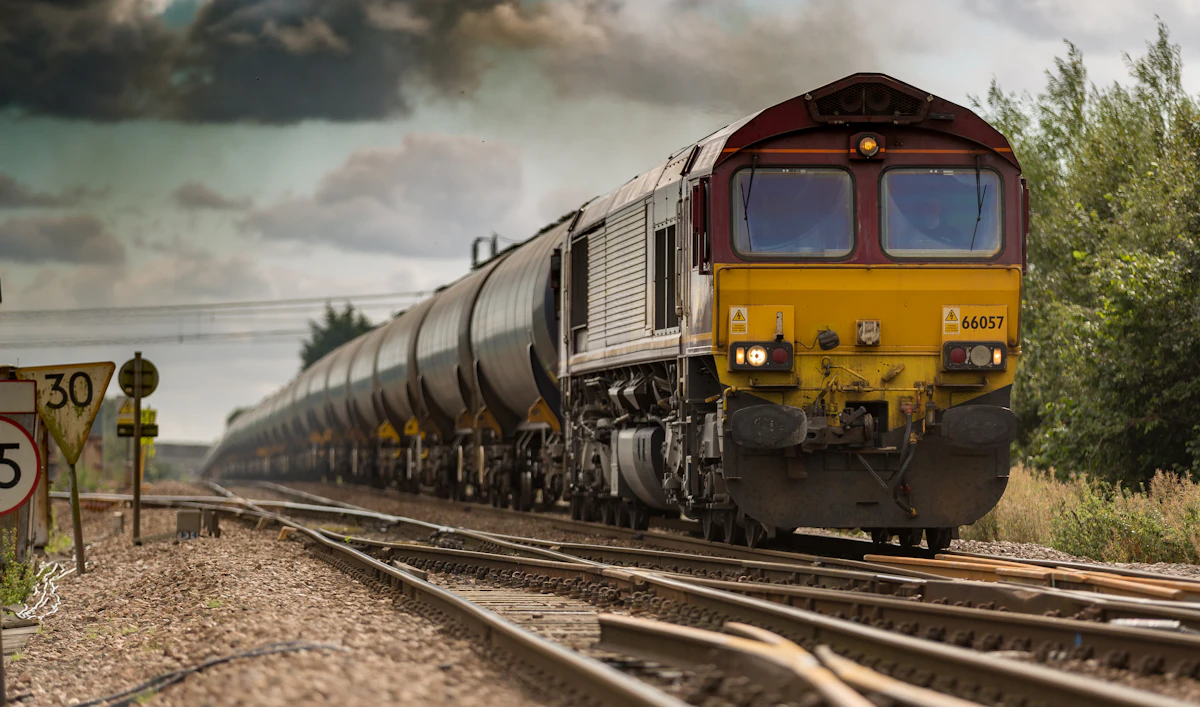
After midnight, this platform is empty. Plan ahead.
Which Option Should You Actually Pick?
Stop overthinking. Here’s the decision tree:
From Narita:
- Going to Shinjuku, Shibuya, or Yokohama? → N’EX
- Going to Ueno, Nippori, or northeast Tokyo? → Skyliner
- Going to Asakusa or Nihombashi? → Access Express (¥1,270)
- On a tight budget? → Access Express
- Have a JR Pass? → N’EX (it’s free with JR Pass)
- Arriving after 10 PM? → Airport hotel + first morning train
- Group of 3–4 people? → Consider flat-rate taxi (~¥6,000/person)
From Haneda:
- Going anywhere on the Yamanote Line? → Keikyu to Shinagawa, then transfer
- Going to Asakusa? → Keikyu (through-service to Toei Asakusa Line — no transfer)
- Have a JR Pass? → Tokyo Monorail (free with pass)
- Heavy luggage and going to a major hotel? → Limousine Bus
- Group of 2+ after midnight? → Taxi (¥5,000–¥8,000 total)
Common Mistakes
❌ Taking a taxi from Narita “because it’s easier”
It’s ¥25,000. The N’EX is ¥3,250 and drops you at the same station with reserved seats and luggage space. Unless you’re splitting with 3 friends, this is burning money.
❌ Not checking which terminal your train departs from
Both Narita and Haneda have multiple terminals. Keikyu at Haneda stops at Terminal 3 (international), then Terminals 1 and 2. Skyliner at Narita departs from a different area than N’EX. Follow the signs carefully — JR signs are red, Keisei signs are blue.
❌ Assuming the “Narita Express” goes everywhere
N’EX goes to Tokyo Station, Shinagawa, Shibuya, Shinjuku, and Yokohama. It does NOT go to Ueno, Ikebukuro, or Asakusa. For those, take the Skyliner or Access Express + transfer.
❌ Sitting in the wrong car on N’EX
N’EX trains split at Tokyo Station. Front half goes to Yokohama, back half to Shinjuku/Shibuya. Sit in the wrong car and you’ll end up in the wrong city. Your seat reservation shows the car number — check it.
❌ Buying individual paper tickets instead of using Suica
Just tap your Suica at the gate. It works on every train except the Skyliner’s reserved-seat portion (you need a separate Skyliner ticket + the base fare is handled by Suica). Don’t waste time studying fare charts.
Troubleshooting
| Problem | Cause | Solution |
|---|---|---|
| Gate won’t open when tapping Suica | Insufficient balance | Charge at any station machine (¥1,000 minimum). Machines accept cash; newer ones accept credit cards. |
| Missed last train | Late flight arrival | Taxi, airport hotel, or rest lounge until 5 AM first train. |
| Wrong direction on Keikyu | Boarded Yokohama-bound instead of Shinagawa-bound | Get off at next station, cross platform, ride back. |
| N’EX fully booked | Popular time slot | Try 30 min later, or switch to Skyliner/Access Express. Standing not allowed on N’EX. |
| Can’t find Keisei platforms at Narita | JR and Keisei are in separate areas | Keisei is in the basement level. Follow blue “Keisei/Skyliner” signs, not red JR signs. |
FAQ
Q: Should I buy train tickets in advance or at the airport?
A: For N’EX and Skyliner (reserved seats), you can buy at the airport — lines are usually 10–15 minutes. For a guaranteed departure time, book N’EX online at eki-net.com or Skyliner at skyliner.keisei.co.jp. For Access Express, Keikyu, and Monorail, just tap your Suica — no ticket needed.
Q: Is the JR Pass worth it just for the airport transfer?
A: No. A 7-day JR Pass costs ¥50,000. If you’re also taking Shinkansen to Kyoto/Osaka, absolutely get it — and N’EX is included free. But don’t buy a JR Pass just for the N’EX ride. The tourist round-trip discount (¥4,070) is far cheaper.
Q: Can I use my contactless credit card (Visa/Mastercard tap) at the ticket gate?
A: Some stations are rolling out credit card tap-to-ride in 2025–2026, but coverage is inconsistent. Don’t rely on it for your first ride from the airport. Get a Suica.
Q: Which airport should I fly into — Narita or Haneda?
A: Haneda, if you have the choice. It’s closer (20 min to central Tokyo vs. 60–90 min from Narita), cheaper to reach, and transfers are simpler. Pick Narita only if the flight is significantly cheaper or your airline doesn’t serve Haneda.
Q: Is there a direct train from the airport to my hotel?
A: Almost certainly not to your hotel’s door. Trains go to major stations (Tokyo, Shinjuku, Ueno, Shinagawa). From there, transfer to a local line or take a short taxi (¥1,000–¥2,000). Check your hotel’s website — they always list the nearest station and suggested route.
Related Guides
- How to Get and Use Suica — Set up before you ride anything
- Narita to Shinjuku: Step-by-Step — Detailed N’EX walkthrough
- Narita to Shibuya: Step-by-Step — Detailed N’EX walkthrough
- Haneda to Tokyo Station — Keikyu and Monorail details
- How to Ride the Yamanote Line — The loop line connecting everything
- Tokyo Metro Guide — Subway navigation for your whole trip
- Shinjuku Station Navigation — Survive Japan’s busiest station