S I G H T S E E I N G
How to Explore Shibuya & Harajuku: Walking Route, Food & Shopping
The complete Shibuya-Harajuku walking guide — Scramble Crossing, Shibuya Sky, Takeshita Street, Cat Street, Omotesando, Meiji Jingu, plus where to eat and shop.
Quick Answer
- Start at Shibuya Station (Hachiko exit) → Scramble Crossing → Shibuya Sky (¥2,000) → walk to Harajuku (15 min or 1 JR stop) → Takeshita Street → Cat Street → Omotesando → Meiji Jingu.
- Go on a weekday. Takeshita Street on weekends is shoulder-to-shoulder — you’ll spend more time in the crowd than shopping.
- Budget: Shibuya Sky ¥2,000, crêpe ¥500–¥800, lunch ¥1,000–¥2,000. Half-day doable on ¥5,000.
- Shibuya and Harajuku are on the JR Yamanote Line. Use your Suica or Welcome Suica — tap in, tap out.
- Skip Takeshita Street — it’s a tourist trap now. Cat Street and the backstreets of Ura-Harajuku have the real finds.
- Nonbei Yokocho in Shibuya is still great for after-work drinks, but go before 7 PM to get a seat.
- Miyashita Park (rooftop) is a solid chill spot. Starbucks Reserve on the 4th floor of the Shibuya Tsutaya building is quieter than the 2F overlooking Scramble.
- Omotesando on weekday mornings is the best time for architecture photography — empty sidewalks, perfect light.
What This Guide Covers
✅ You’ll learn:
- The optimal walking route from Shibuya to Harajuku
- Best viewing spots for Scramble Crossing
- What’s actually worth doing on Takeshita Street
- Shopping tiers: budget (Harajuku) vs. luxury (Omotesando)
- Where to eat at every price point
- How to visit Meiji Jingu without the crowds
⏱️ Time needed: 4–6 hours (half-day)
💰 Budget: ¥3,000–¥10,000 depending on shopping
⚠️ Watch out for:
- Takeshita Street on weekends = gridlock
- Shibuya Sky tickets sell out — book online same-day morning
- Street touts in Shibuya evening — ignore them completely
The Walking Route: Shibuya → Harajuku in One Day
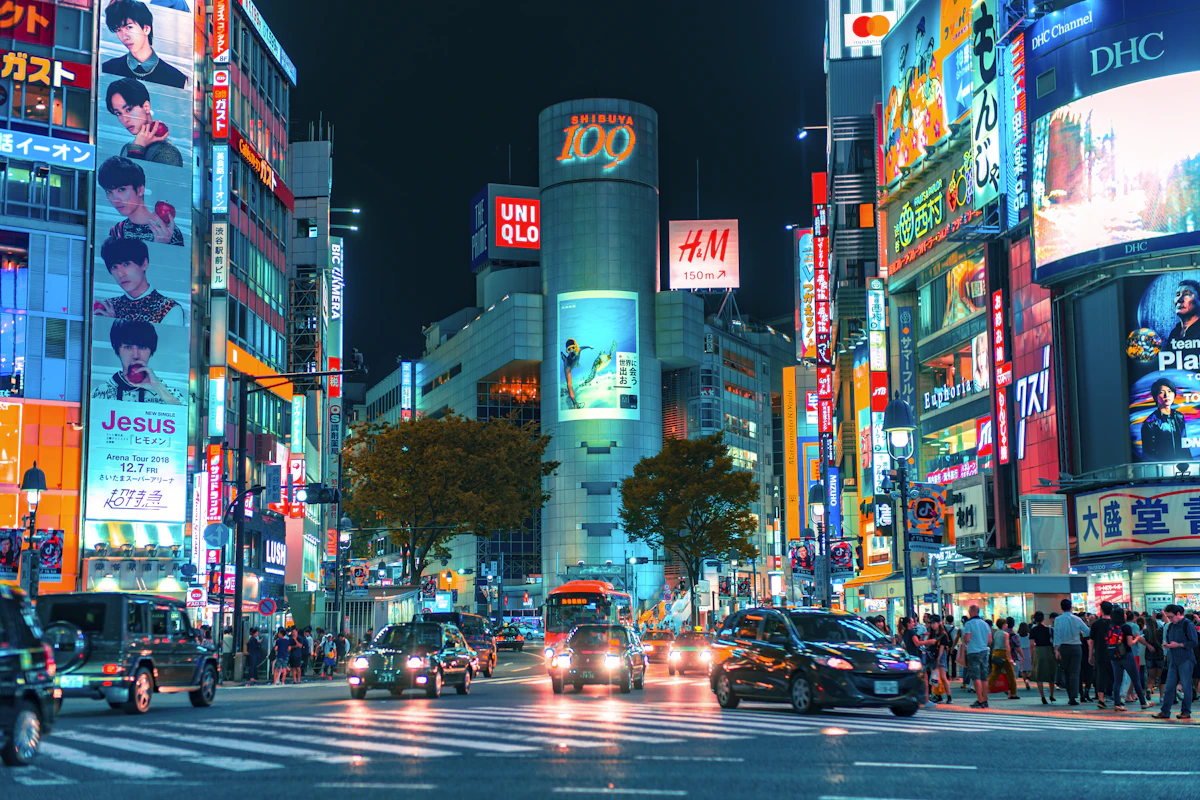
This route covers both districts in 4–6 hours. Start mid-morning (10 AM) to avoid peak crowds.
The route:
- Shibuya Station (Hachiko exit) → Hachiko Statue → Scramble Crossing
- Shibuya Sky observation deck (30–45 min)
- Walk through Center-gai and Shibuya 109
- Walk north to Harajuku (15 min on foot, or 1 stop on JR Yamanote)
- Takeshita Street (30–45 min)
- Cat Street (30 min)
- Omotesando (30–60 min)
- Meiji Jingu Shrine (45–60 min)
Total distance: ~3.5 km walking. Wear comfortable shoes.
Shibuya: Scramble Crossing & Viewing Spots
The Scramble Crossing
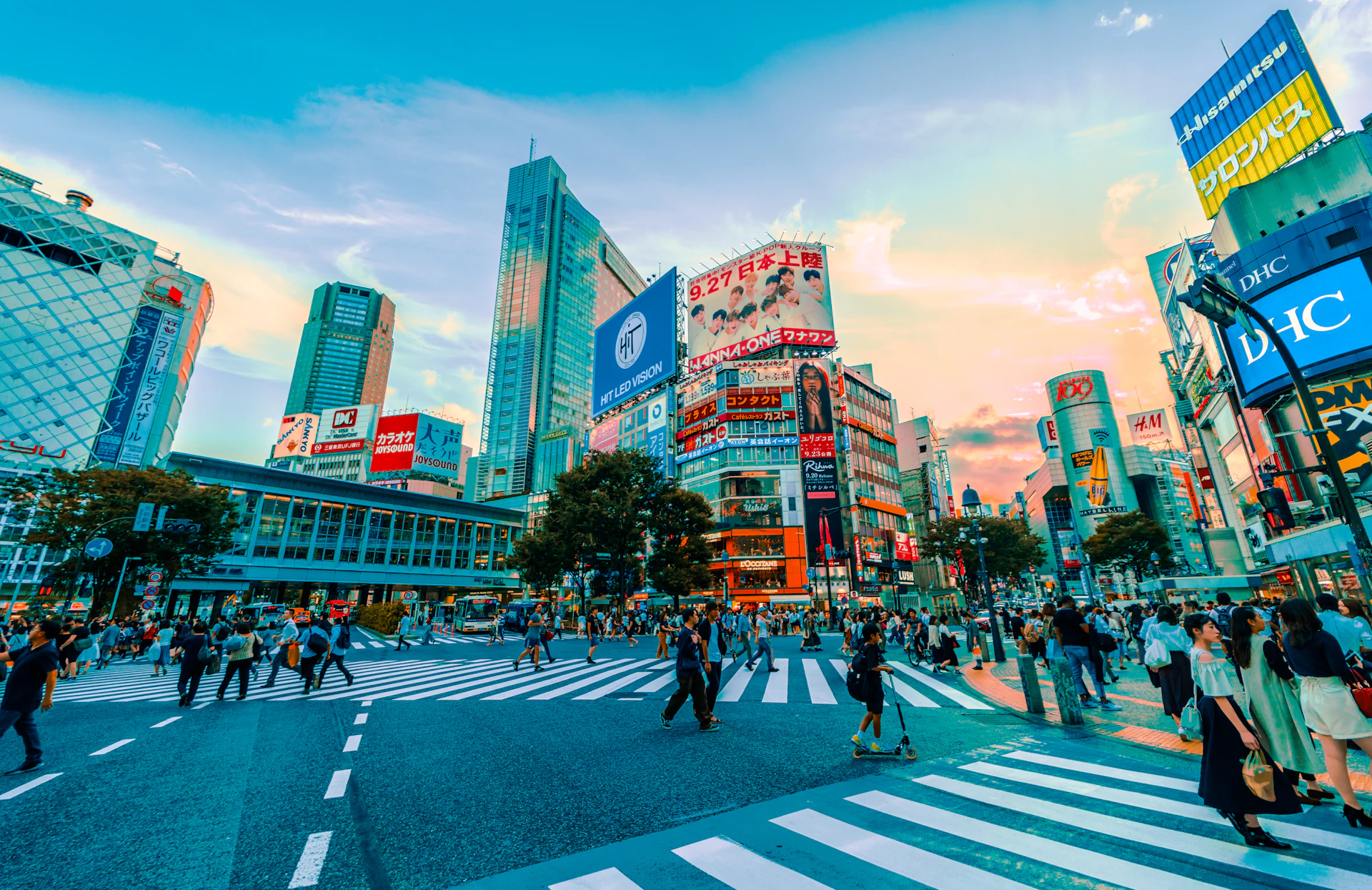
Up to 3,000 people cross simultaneously when the light changes. It’s chaotic, fun, and genuinely impressive. The best way to experience it: cross it yourself first, then go watch it from above.
Where to Watch From Above
| Spot | Cost | Pros | Cons |
|---|---|---|---|
| Shibuya Sky (Shibuya Scramble Square, 47F) | ¥2,000 | Best panoramic view of all Tokyo. Open-air rooftop. | Tickets sell out — book online at shibuya-sky.com by 10 AM |
| Starbucks Tsutaya (2F) | Free (with drink ~¥500) | Window seats right over the crossing | Long queue for window seats. 30-min limit during peak |
| Mag’s Park (Magnet by Shibuya 109, rooftop) | Free | Rooftop with decent angle | Smaller, less dramatic than Sky |
| Shibuya Hikarie (8F, Sky Lobby) | Free | Calm, uncrowded. Good for photos | Farther from crossing — view is more distant |
Our pick: Shibuya Sky if it’s your first time. The 360° rooftop view is worth ¥2,000. Book tickets online before noon — they sell out on weekends by early afternoon.
Hachiko Statue
The famous bronze dog outside Hachiko exit. A quick 30-second photo stop. Use it as a meeting point, not a destination — there’s nothing else to do there. The real Hachiko story: a dog waited for his deceased owner at this spot every day for 9 years. The statue was erected in 1934.
Shibuya Shopping & Entertainment

Shopping Spots
| Store/Area | What It Is | Budget | Best For |
|---|---|---|---|
| Shibuya 109 | 10-floor fashion building | ¥¥ | Japanese streetwear, gender-neutral fashion |
| Shibuya Parco | Design-focused department store | ¥¥¥ | Nintendo Tokyo, art galleries, Capcom store |
| Miyashita Park | Rooftop park + shops + restaurants | ¥¥ | Chill spot. North Face, skate shops, food court |
| Center-gai | Pedestrian street | ¥ | Fast food, game centers, karaoke, atmosphere |
| Don Quijote (Mega Donki) | Discount mega-store | ¥ | Tax-free souvenirs, snacks, electronics, cosmetics |
Nonbei Yokocho (のんべい横丁)
A tiny alley of ~40 bars tucked next to the train tracks near Shibuya Station. Yakitori, sake, cold beer, and shoulder-to-shoulder seating. It’s the antidote to Shibuya’s neon chaos.
How to visit:
- Arrive by 6 PM to get a seat. After 7 PM it’s standing room
- Most bars seat 6–10 people. Don’t bring a large group
- Prices: yakitori ¥150–¥300/skewer, beer ¥500–¥700, sake ¥500–¥800
- Cash preferred. Some spots accept cards but don’t count on it
- Look for places with visible menus outside. If there’s no menu, ask “Eigo no menyu arimasu ka?” (英語のメニューありますか? / “Do you have an English menu?”)
Harajuku: Takeshita Street & Beyond
Takeshita Street (竹下通り)
A 350-meter pedestrian street packed with ~130 shops targeting teens and tourists. Crêpes, cotton candy, trendy fashion, and character goods. Foreign tourists now make up 30–40% of foot traffic.
What’s worth it:
- Crêpes — Marion Crêpes and Angel’s Heart are the originals. ¥500–¥800 each. Get the banana-chocolate-whipped cream
- Character goods — Sanrio, Ghibli, anime merchandise
- 100-yen shops — Daiso on Takeshita has unique Japan-only items
What to skip:
- Rainbow cotton candy (¥800+) — overpriced Instagram bait
- “Lucky bag” (福袋) shops pushing ¥3,000 mystery bags — contents are always disappointing
- Any store with aggressive hawkers pulling you inside
When to go: Weekdays 11 AM–2 PM is manageable. Weekend afternoons are gridlock — you’ll move at 2 meters per minute.
Cat Street (キャットストリート)
Parallel to Takeshita but entirely different vibe. A tree-lined back street with independent boutiques, vintage shops, sneaker stores, and quality cafés. This is where Harajuku locals actually shop.
Worth visiting:
- Vintage clothing shops (¥1,000–¥5,000 for unique finds)
- Sneaker resale shops (Nike, New Balance, Asics)
- Small coffee roasters and matcha cafés
- Street art and murals
Ura-Harajuku (裏原宿)
The backstreets between Takeshita and Cat Street. This was the birthplace of Japanese streetwear (A Bathing Ape, Undercover, Neighborhood all started here in the 1990s). Now more mainstream, but still has independent designers and secondhand shops worth exploring.
Omotesando: Tokyo’s Luxury Avenue
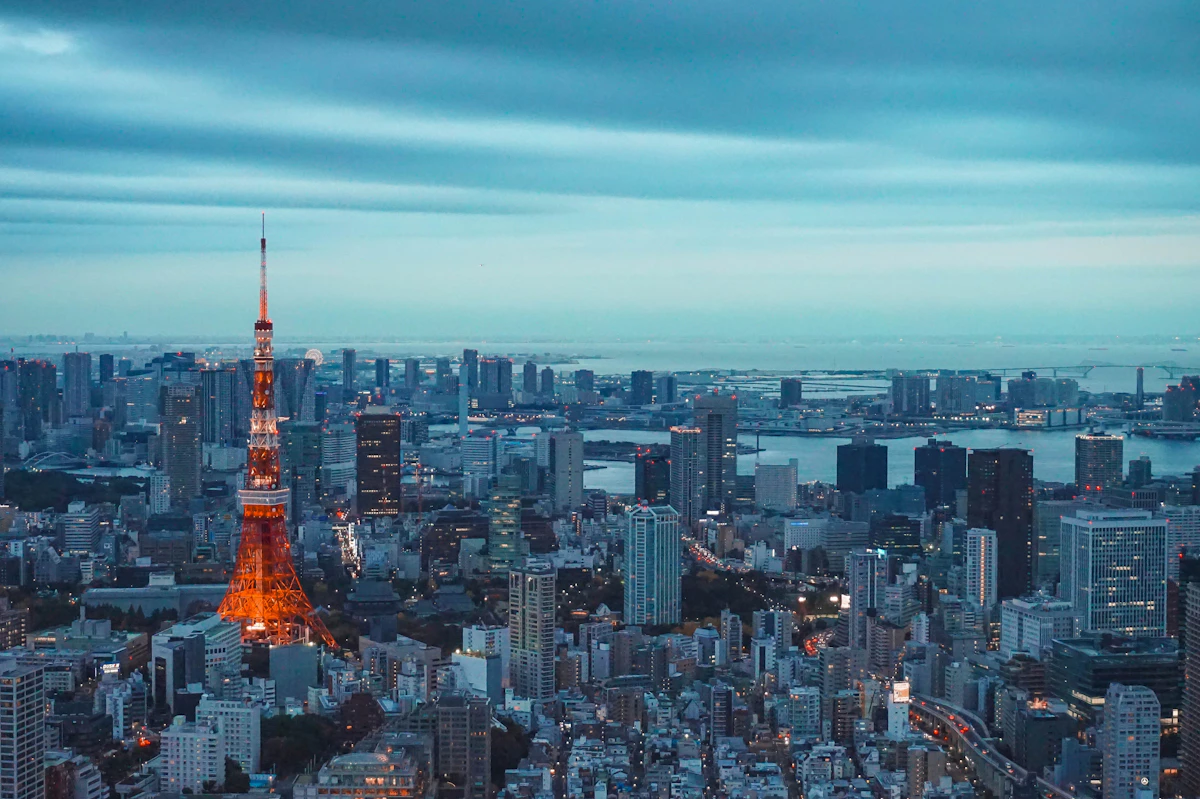
Omotesando (表参道) is the 1-km zelkova-lined boulevard connecting Harajuku to Aoyama. Called the “Champs-Élysées of Tokyo” — but the architecture is better.
What Makes It Worth a Walk
The buildings themselves are the attraction. World-class architects designed many of the flagship stores:
- Tod’s — Toyo Ito’s concrete tree-branch façade
- Prada — Herzog & de Meuron’s diamond-glass building
- Omotesando Hills — Tadao Ando’s spiraling interior mall
- Louis Vuitton, Dior, Gucci — all with distinctive Tokyo-specific facades
Even if you’re not shopping, walk the full length for the architecture. Free and impressive.
Omotesando Hills
Tadao Ando’s signature spiral ramp connects 6 floors of shops and restaurants. Entry is free. The interior design alone is worth 15 minutes.
Meiji Jingu Shrine: The Peaceful Reset

After hours in Shibuya and Harajuku’s chaos, Meiji Jingu is the perfect cooldown. A massive Shinto shrine inside a 170-acre forest — right next to Harajuku Station.
How to Visit
- Enter from the south gate (closest to Harajuku Station / Omotesando)
- Walk the gravel path through the forest (10 min to the main shrine)
- Purify your hands at the temizuya (water basin) — see our shrine visit guide
- Offer a prayer at the main hall: bow twice, clap twice, bow once
- Write an ema (prayer plaque, ¥500) if you want to make a wish
- Exit through the same gate or the north gate toward Yoyogi Park
Time needed: 45–60 minutes for a relaxed visit.
When to go: Early morning (8–9 AM) or late afternoon (4–5 PM) to avoid tour groups. Midday is the most crowded.
What to say for a prayer: No Japanese needed. Pray silently in any language. The bow-clap-bow sequence is the important part.
Where to Eat
Budget (Under ¥1,500)
| Spot | Area | What | Price |
|---|---|---|---|
| Harajuku crêpes (Marion, Angel’s Heart) | Takeshita | Crêpe with fruit/chocolate/cream | ¥500–¥800 |
| Genki Sushi | Shibuya | Conveyor-belt sushi | ¥1,000–¥1,500 |
| Afuri Ramen | Cat Street area | Yuzu shio ramen | ¥1,000–¥1,200 |
| Matcha desserts | Omotesando | Nanaya, Suzukien (graded matcha gelato) | ¥400–¥700 |
Mid-Range (¥1,500–¥4,000)
| Spot | Area | What | Price |
|---|---|---|---|
| Nonbei Yokocho | Shibuya | Yakitori + sake | ¥2,000–¥3,500 |
| Omotesando restaurants | Omotesando | Various — Italian, Japanese, fusion | ¥1,500–¥3,000 |
| Kawaii Monster Café | Harajuku | Instagram-worthy themed dining | ¥2,000–¥3,000 |
Splurge (¥4,000+)
| Spot | Area | What | Price |
|---|---|---|---|
| Shibuya Sky restaurant | Shibuya | View dining | ¥5,000–¥10,000 |
| Bills Omotesando | Omotesando | Famous ricotta pancakes | ¥2,500–¥4,000 |
Counter-intuitive tip: Don’t eat on Takeshita Street if you want a real meal. The food is snack-tier — fun but not filling. Walk 5 minutes to Cat Street or Omotesando for proper restaurants.
Pitfalls: What Goes Wrong
”Takeshita Street was so crowded I couldn’t move”
Weekend afternoons are unbearable. Go weekday 11 AM–2 PM or skip it entirely and hit Cat Street instead. You’ll see better shops with fewer people.
”Shibuya Sky was sold out”
Tickets for popular time slots (sunset, weekend afternoons) sell out by noon. Book online the morning of your visit at shibuya-sky.com. ¥2,000 per person.
”Someone on the street invited me to a bar/club”
In Shibuya (especially Dogenzaka area) at night, touts approach foreigners to lure them to overpriced bars. Ignore them completely. Walk past without engaging. Legitimate bars don’t need street hawkers. See our Shinjuku nightlife guide for safe drinking spots.
”I got lost in Shibuya Station”
Shibuya Station is a construction zone connecting 9 railway lines. It’s confusing even for locals. Follow signs for “Hachiko exit” — that gets you to street level near the Scramble Crossing. If lost, ask any station staff: “Hachiko-guchi wa doko desu ka?” (ハチ公口はどこですか? / “Where is the Hachiko exit?”)
When Things Go Wrong
| Problem | Cause | Solution |
|---|---|---|
| Shibuya Sky sold out | Didn't book early enough | Try Shibuya Hikarie 8F (free) or Mag's Park rooftop (free) instead. Not as dramatic but still good Scramble Crossing views. |
| Phone dying from photos | 4–6 hours of camera use | Bring a portable battery. Or rent one from a ChargeSPOT kiosk (¥150/30 min) — they're in every convenience store and station. |
| Can't find Cat Street | No clear entrance — it's a backstreet | From Takeshita, walk south. Cat Street runs parallel, one block east. Google Maps "キャットストリート" to get the pin. |
| Meiji Jingu closed | Shrine closes at sunset (varies by season: 4:20 PM in winter – 6:30 PM in summer) | Check closing time online. Plan Meiji Jingu earlier in the day during winter months. |
| Rained on your walking day | Tokyo rain is frequent | Buy a ¥500 clear umbrella at any convenience store. Shibuya 109, Parco, and Omotesando Hills are all indoor. Adjust to indoor activities. |
FAQ
Q: Can I do Shibuya and Harajuku in half a day?
A: Yes, 4–6 hours is plenty. Start at 10 AM in Shibuya, end at Meiji Jingu around 3–4 PM. You’ll hit all the main spots.
Q: Is Shibuya safe at night?
A: The main streets (Center-gai, around the station) are very safe. Dogenzaka and the love hotel area are fine to walk through but ignore anyone who approaches you. Use common sense after midnight. For proper nightlife advice, see Shinjuku nightlife.
Q: Where should I cross the Scramble Crossing for photos?
A: Cross it from the Hachiko side. For the best photo, stop briefly in the center of the crossing when the light is green — but don’t block traffic. Alternatively, film a video while walking and pull frames later.
Q: Is Meiji Jingu free?
A: Yes. The shrine grounds and forest are free to enter. Writing an ema (prayer plaque) costs ¥500. Omamori (good luck charms) are ¥500–¥1,000. See our shrine visit guide.
Q: What’s the best time to visit?
A: Weekday mornings (10 AM). You’ll have Takeshita Street, Omotesando, and Meiji Jingu largely to yourself. Weekend afternoons are the worst — every spot is packed.
Related Guides
- Shrine Etiquette — how to pray at Meiji Jingu and other shrines
- How Payments Work — credit cards, Suica, and where cash is still needed
- Suica Card — tap-and-ride the Yamanote Line between Shibuya and Harajuku. Tourists: get a Welcome Suica at the airport
- Shinjuku Nightlife — if you want proper bars and nightlife after Shibuya
- Ordering at Restaurants — how to navigate Japanese menus and order food
Summary
- Start at Shibuya (Hachiko exit), end at Meiji Jingu. This walking route covers both districts in 4–6 hours.
- Go on a weekday. Takeshita Street on weekends is gridlock. Cat Street and Omotesando are better without the crowds.
- Book Shibuya Sky online before noon. ¥2,000 for the best view in Tokyo. Sells out on weekends.
Next step: Take the JR Yamanote Line to Shibuya Station, exit at Hachiko-guchi, and start walking.