C U L T U R E
How to Enjoy a Japanese Festival (Matsuri): Food, Yukata & Fireworks
Everything you need for Tokyo summer festivals — yukata rental, must-eat street food, bon-odori dancing, fireworks spots, and the 2026 festival calendar.
Quick Answer
- Bring cash. Almost every food stall (yatai) is cash-only. Withdraw ¥5,000–¥10,000 before arriving — there are no ATMs inside festival grounds.
- Rent a yukata in Asakusa or Harajuku for ¥3,000–¥5,500 (includes dressing). Remember: left side over right — right-over-left is for funerals.
- Top 3 festivals for tourists: Sumidagawa Fireworks (late July, 20,000+ fireworks), Koenji Awa Odori (late August, 1 million spectators), Sanja Matsuri (May, 100+ portable shrines).
- Arrive 1–2 hours early for fireworks. Bring a plastic sheet, towel, portable fan, and water. Tokyo summers hit 33–36°C with brutal humidity.
- Check your ward’s website in June for the local bon-odori schedule. Every ward runs 3–10 events between mid-July and late August.
- Festival food budget: ¥2,000–¥4,000 per person covers 4–5 dishes plus drinks. All cash. PayPay is accepted at maybe 5% of stalls — don’t rely on it.
- Own a yukata if you attend 2+ festivals/year. Uniqlo sells cotton yukata sets for ¥3,990–¥5,990. Cheaper than renting twice.
- For fireworks, reserve a restaurant with river-view seating weeks ahead — much better than fighting for ground spots with 1 million other people.
What This Guide Covers
✅ You’ll learn:
- The major Tokyo festival calendar and what each festival is like
- How to rent and wear a yukata correctly
- What to eat at festival stalls and what each item costs
- How to join a bon-odori dance (even with zero experience)
- Best fireworks viewing spots and how to secure them
⏱️ Time needed: 3–6 hours at a typical festival
💰 Budget: ¥3,000–¥8,000 (food + yukata rental)
⚠️ Critical warnings:
- Cash only at 95% of stalls — no cards, no QR
- Left-over-right for yukata — the opposite means death
- No garbage cans — bring your own trash bag
What Is a Matsuri?
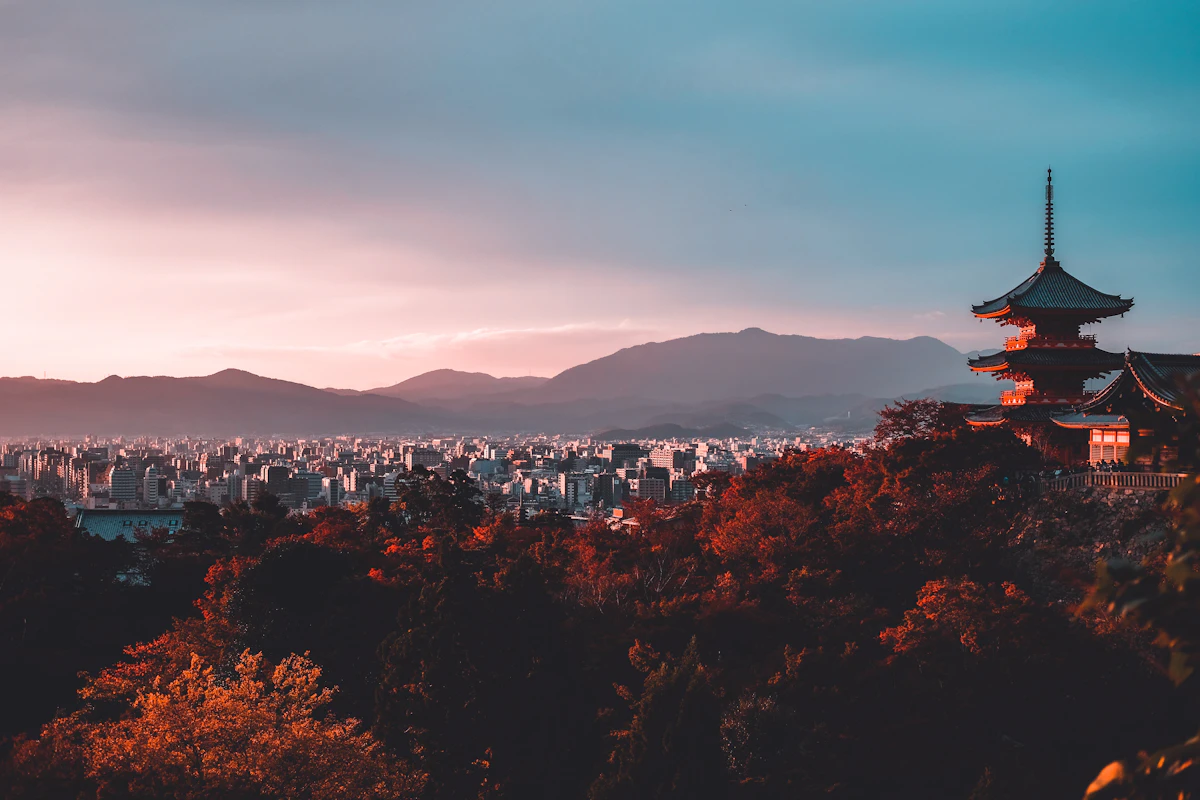
A matsuri (祭り, “mah-tsoo-ree”) is a Japanese festival — usually tied to a Shinto shrine, a Buddhist temple, or a seasonal tradition. Tokyo alone hosts over 1,000 matsuri per year, but summer (July–August) is peak season. That’s when you’ll find fireworks, street food stalls, bon-odori dances, and mikoshi (portable shrine) processions.
Matsuri aren’t tourist events. They’re community gatherings that happen to welcome visitors. At a matsuri, you’re a guest, not a customer. Be respectful around shrine rituals, don’t block mikoshi processions, and follow local instructions.
The three things every matsuri has:
- Yatai (屋台, “yah-tai”) — food stalls selling yakisoba, takoyaki, kakigori
- Performance — taiko drums, bon-odori dancing, mikoshi carrying
- Lots of people in yukata — the casual cotton kimono worn in summer
Tokyo Festival Calendar: Which One Should You Attend?
Spring & Early Summer
| Festival | When | Where | Why Go |
|---|---|---|---|
| Sanja Matsuri | 3rd weekend of May | Asakusa (Sensoji area) | Tokyo’s wildest — 100+ mikoshi, 2 million visitors over 3 days |
| Kanda Matsuri | Mid-May (odd years only) | Kanda Myojin Shrine | Centuries-old Edo tradition. Quieter, more authentic than Sanja |
Peak Summer (July–August)
| Festival | When | Where | Why Go |
|---|---|---|---|
| Sumidagawa Fireworks | Last Saturday of July | Sumida River (Asakusa area) | 20,000+ fireworks. Tokyo’s biggest. Book viewing spots early |
| Mitama Matsuri | July 13–16 | Yasukuni Shrine | 30,000 paper lanterns. Hauntingly beautiful at night |
| Koenji Awa Odori | Last weekend of August | Koenji (JR Chuo Line) | 1 million spectators. 10,000+ dancers. The energy is unreal |
| Local bon-odori | Mid-July – late August | Every ward | Free, family-friendly, and the most “real” festival experience |
Our pick for first-timers: Koenji Awa Odori. Easy to access (JR Koenji Station), free to watch, spectacular dancing, and massive food stall selection. Arrive by 4 PM to eat before the main dances start at 5 PM.
Festival Food Stalls (Yatai): What to Eat and What It Costs
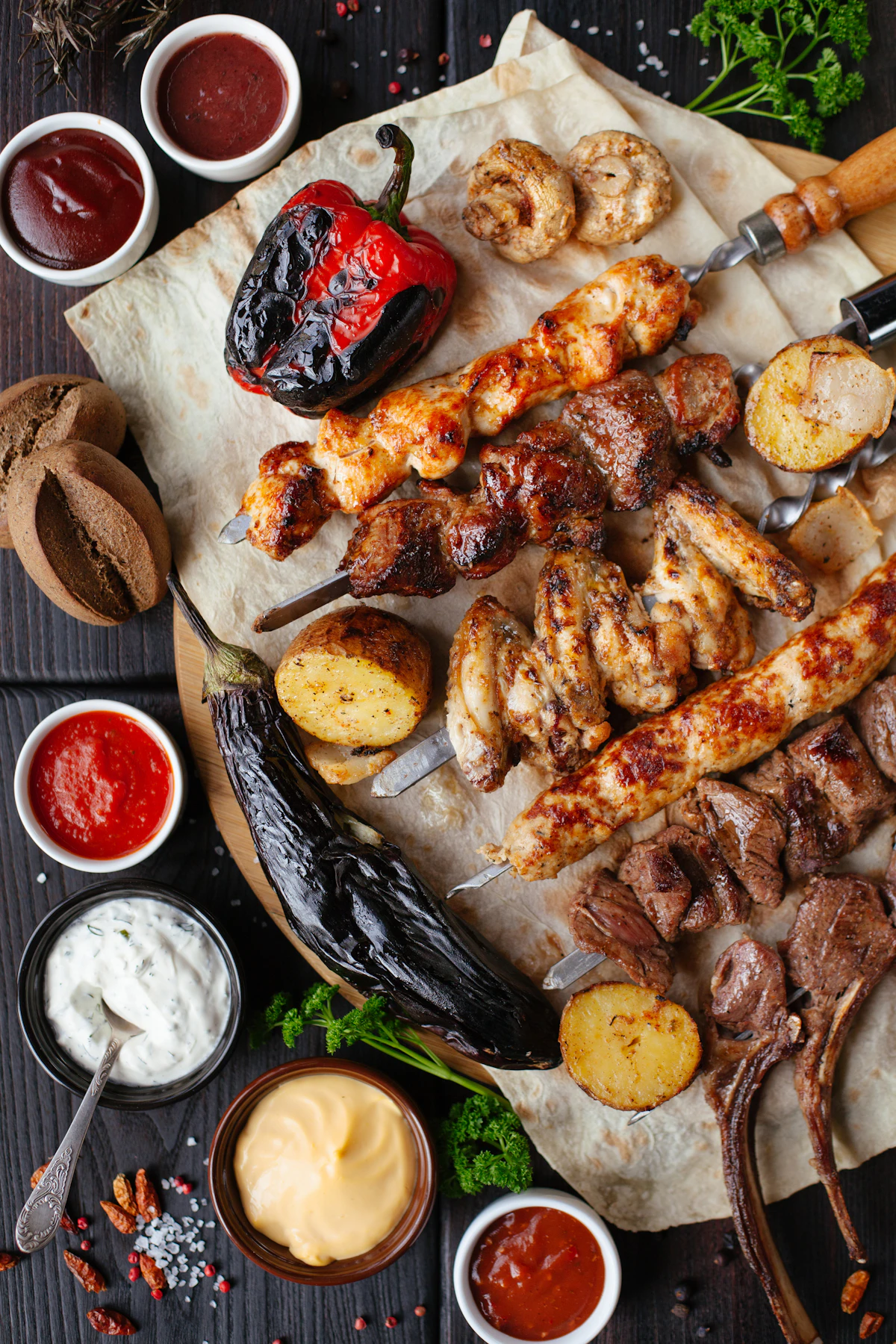
Festival food is half the experience. Here’s what’s worth your money.
Must-Eat Stall Food
| Item | Japanese | Price | Notes |
|---|---|---|---|
| Yakisoba | 焼きそば (yaki-soba) | ¥400–¥600 | Fried noodles with pork and cabbage. The smell alone will find you |
| Takoyaki | たこ焼き (tako-yaki) | ¥500–¥700 (6–8 pcs) | Octopus balls. Crispy outside, molten inside. They’re nuclear hot — wait 2 min |
| Kakigori | かき氷 (kaki-gōri) | ¥300–¥500 | Shaved ice with syrup. Get melon or blue Hawaii. Essential in 35°C heat |
| Okonomiyaki | お好み焼き | ¥500–¥700 | Savory cabbage pancake topped with mayo and bonito flakes |
| Yakitori | 焼き鳥 (yaki-tori) | ¥100–¥300/skewer | Grilled chicken. Negima (ねぎま, chicken + green onion) is the classic |
| Choco banana | チョコバナナ | ¥200–¥400 | Chocolate-dipped banana with sprinkles. Fun for everyone |
| Wataame | わたあめ | ¥300–¥500 | Cotton candy in a character bag. Instagram bait |
| Ramune | ラムネ | ¥200–¥300 | Marble-sealed fizzy drink. Push the marble down with the included tool to open |
How to Order at a Stall
Walk up. Point at what you want or say the name. Hand over cash. Wait. Done.
Useful phrase:
You: “Yakisoba hitotsu kudasai” (焼きそばひとつください / “One yakisoba, please”)
Vendor: Takes cash, hands you food in a tray with chopsticks.
No table service. No receipts. No tipping. Eat standing or find a curb.
The Cash-Only Trap
95% of festival stalls are cash-only. No Suica, no credit cards, no PayPay. A few larger festivals are testing cashless payments, but don’t count on it.
What to do: Hit a 7-Eleven, Lawson, or FamilyMart ATM before heading to the festival. Withdraw ¥5,000–¥10,000 in ¥1,000 notes. Don’t hand a ¥10,000 note for a ¥400 yakisoba — vendors hate making change.
See our payment methods guide for ATM details.
Wearing a Yukata: Rental, Dressing & the Left-Over-Right Rule

A yukata (浴衣, “yoo-kah-tah”) is a casual cotton kimono for summer festivals and fireworks. You don’t need to own one — rental shops handle everything.
Where to Rent
| Area | Price | Includes | Best For |
|---|---|---|---|
| Asakusa (Wargo, Aiwafuku) | ¥3,000–¥5,500 | Yukata, obi belt, geta sandals, dressing, bag | Sumidagawa Fireworks |
| Harajuku (Cat Street shops) | ¥3,500–¥5,000 | Same | Meiji Jingu festivals |
| Shinjuku (Vasara, others) | ¥3,000–¥5,000 | Same | Koenji Awa Odori |
Book ahead for fireworks days. Asakusa shops sell out by early July for Sumidagawa Fireworks Saturday. Reserve online 2–3 weeks ahead.
How Dressing Works
- Arrive at your reservation time
- Choose a yukata pattern (30+ options at most shops)
- Staff dresses you in 15–20 minutes — they handle the obi knot
- Leave your clothes in a locker
- Return by closing time (usually 17:30–18:00, extended for fireworks events)
The Left-Over-Right Rule
Left side of the fabric goes over the right. Non-negotiable.
Right-over-left is how the dead are dressed for funerals (逆さ事, sakasa-goto). Japanese people will notice instantly. They won’t say anything — but they’ll know.
If the shop dresses you, they’ll get it right. Dressing yourself at a hotel? Remember: “Left is alive, right is dead.”
What to Carry
- Kinchaku bag (巾着, “keen-chah-koo”) — small drawstring pouch for phone, wallet, keys
- Sensu (扇子) — folding fan. You’ll want it in Tokyo humidity
- Avoid backpacks and large bags — they look wrong and press against the obi
How to Join a Bon-Odori Dance
Bon-odori (盆踊り, “bon-oh-doh-ree”) is a community folk dance at summer festivals. A tower (yagura) stands in the center with taiko drummers on top. Dancers circle around it.
Nobody expects you to know the moves. Join the circle and copy the person ahead of you. The choreography is simple — wave arms, step left, step right, clap. Most songs loop the same 4–8 moves.
Step-by-Step
- Watch one full loop from the outside (2–3 minutes)
- Join the outer ring — that’s where beginners go
- Copy the person in front — arms and feet
- Don’t worry about mistakes. Nobody’s watching you. They’re watching the yagura
- Some festivals hand out towels — drape it over your neck or wave it during the dance
Best Bon-Odori for Beginners
- Your local park/shrine — small, uncrowded, regulars will help you
- Roppongi Hills Bon-Odori (August) — English-friendly, central
- Tsukiji Honganji Bon-Odori (August) — famous for variety of dance songs
Fireworks Viewing: How to Get a Good Spot
Sumidagawa Fireworks (隅田川花火大会)
Tokyo’s biggest — 20,000+ fireworks, 1 million+ spectators, last Saturday of July.
| Spot | Pros | Cons | Arrive By |
|---|---|---|---|
| Sumida Park (Asakusa side) | Close to launch, Skytree backdrop | Packed. Standing room only by 5 PM | 2:00 PM |
| Shiori Park (east bank) | Less crowded | Farther from stations | 3:00 PM |
| Rooftop restaurants | Comfortable, food included | ¥8,000–¥20,000/person. Book early July | Pre-booked |
| Tokyo Skytree Tembo Deck | Best aerial view | ¥3,100+ special pricing | Pre-booked |
What to bring:
- Plastic ground sheet (レジャーシート) — from any 100-yen shop (Daiso, Seria, Can★Do)
- 2+ bottles of water or sports drink
- Portable fan (手持ち扇風機) — USB-rechargeable, ¥800–¥1,500 at convenience stores
- Towel for sweat
- Trash bag — zero garbage cans at the venue
- Patience — exiting takes 30–60 minutes
Counter-Intuitive Tip: Skip Sumidagawa for Your First Fireworks
Sumidagawa is overwhelming. You may spend more time in line than watching fireworks.
Better first-time options:
- Adachi Fireworks (late May/July) — 14,000+ fireworks, much smaller crowd
- Itabashi/Toda Fireworks (early August) — great show, fewer tourists
- Jingu Gaien Fireworks (August) — ticketed, less chaos
What to Wear If You Skip the Yukata
- Light, breathable clothes — cotton or linen. Avoid black (absorbs heat)
- Comfortable shoes — sandals fine, but expect 5,000–10,000 steps
- Tenugui towel (手ぬぐい) — drape over your neck like locals
- No heels — festival grounds are often dirt or gravel
Pitfalls: What Goes Wrong
”I thought I could pay with my card”
You can’t. Matsuri stalls run on cash boxes. No ATMs at festival grounds. Prepare before you go.
”I wore my yukata right-over-left”
Double-check if you dressed yourself. Hotel yukata are self-service — left over right, always.
”There are no trash cans anywhere”
Correct. Japanese festivals follow “bring your garbage home.” Carry a bag, return trays to vendors.
”I arrived at 6 PM for fireworks and couldn’t see”
Major fireworks = good spots taken by 2–3 PM. Locals lay sheets at noon. Late arrival means 50 rows back.
”I grabbed the mikoshi”
Mikoshi are religious objects carried by shrine members. Don’t touch, don’t block, don’t climb. Watch from the side.
When Things Go Wrong
| Problem | Cause | Solution |
|---|---|---|
| Dizziness / nausea | Heat exhaustion (33–36°C, 70%+ humidity) | Move to shade. Drink water or sports drink. Large festivals have cooling stations (冷却スポット). If it persists, ask staff for help. |
| Separated from your group | Huge crowds + weak phone signal | Set a meeting point beforehand ("the Lawson on the corner"). Download offline maps. Mobile data jams with 1 million users. |
| Yukata coming undone | Obi loosened from walking | Re-tie in a quiet spot, or return to the rental shop. Emergency fix: safety pin on inner layers. |
| Sudden rain | Summer thunderstorms (July–August) | Buy a ¥500 poncho at the nearest convenience store. Light rain = festival continues. Heavy storm = fireworks cancelled (check official site). |
| Missed last train | Fireworks end ~9 PM but station access takes 30–60 min | Head to station right after the finale, or wait 20 min for the initial rush to clear. Missed it? See our late-night guide. |
FAQ
Q: Are there festivals in winter?
A: Yes — Tori-no-Ichi (November, good luck charms), Setsubun (February 3rd, bean-throwing), and New Year’s hatsumode (shrine visit January 1–3). But the classic stall-food + yukata + fireworks combo is strictly summer (July–August).
Q: Do I need tickets?
A: Most festivals are free. Fireworks viewing from public spaces is free. Some events sell reserved seating (¥5,000–¥15,000 for Sumidagawa). Food stalls are pay-per-item.
Q: Is it okay to wear a yukata if I’m not Japanese?
A: Absolutely. It’s appreciated — Japanese people see it as respectful participation. You’ll hear “お似合いですよ” (O-niai desu yo / “It suits you!”).
Q: How long does a festival last?
A: Most evening festivals: 4–6 PM to 9 PM. Fireworks: start ~7 PM, end by 8:30–9 PM. Bon-odori: 6–9 PM weekday evenings. Multi-day festivals like Sanja Matsuri: morning to night across a whole weekend.
Q: Can I bring kids?
A: Festivals are family-friendly. Goldfish scooping (金魚すくい, ¥300–¥500), ring toss, and cotton candy target children. For under-3s, a carrier/wrap beats a stroller in dense crowds.
Related Guides
- How to Visit a Shrine — etiquette for shrine ceremonies during matsuri
- Payment Methods in Japan — ATM locations and what works where
- Suica Card Guide — get a Welcome Suica at the airport (28-day validity, no deposit, iPhone app available)
- Late-Night Tokyo — options if you miss the last train after fireworks
- Asakusa & Sensoji — essential if attending Sanja Matsuri or Sumidagawa Fireworks
Summary
- Carry cash (¥5,000–¥10,000 in small bills). Matsuri food stalls are cash-only. No exceptions.
- Rent a yukata near the festival. ¥3,000–¥5,500, dressing included. Left over right — always.
- Arrive early for fireworks. 2–3 PM for major events. Bring ground sheet, water, fan, trash bag.
Next step: Check the Tokyo festival calendar for your travel dates, then book yukata rental 2–3 weeks ahead if visiting during fireworks season.