E X P L O R E
Golden Week 2026 in Tokyo: Why the City Empties Out (and How to Use It)
Golden Week 2026 runs April 29 to May 6. While 30M+ Japanese leave the city, Tokyo gets quieter — but banks and offices close for days. Nozomi reserved-only policy, crowd patterns, and what stays open.

This article contains affiliate links. tokyo.how may earn a commission at no extra cost to you if you make a purchase through these links. This does not influence our editorial content.
What Is Golden Week?
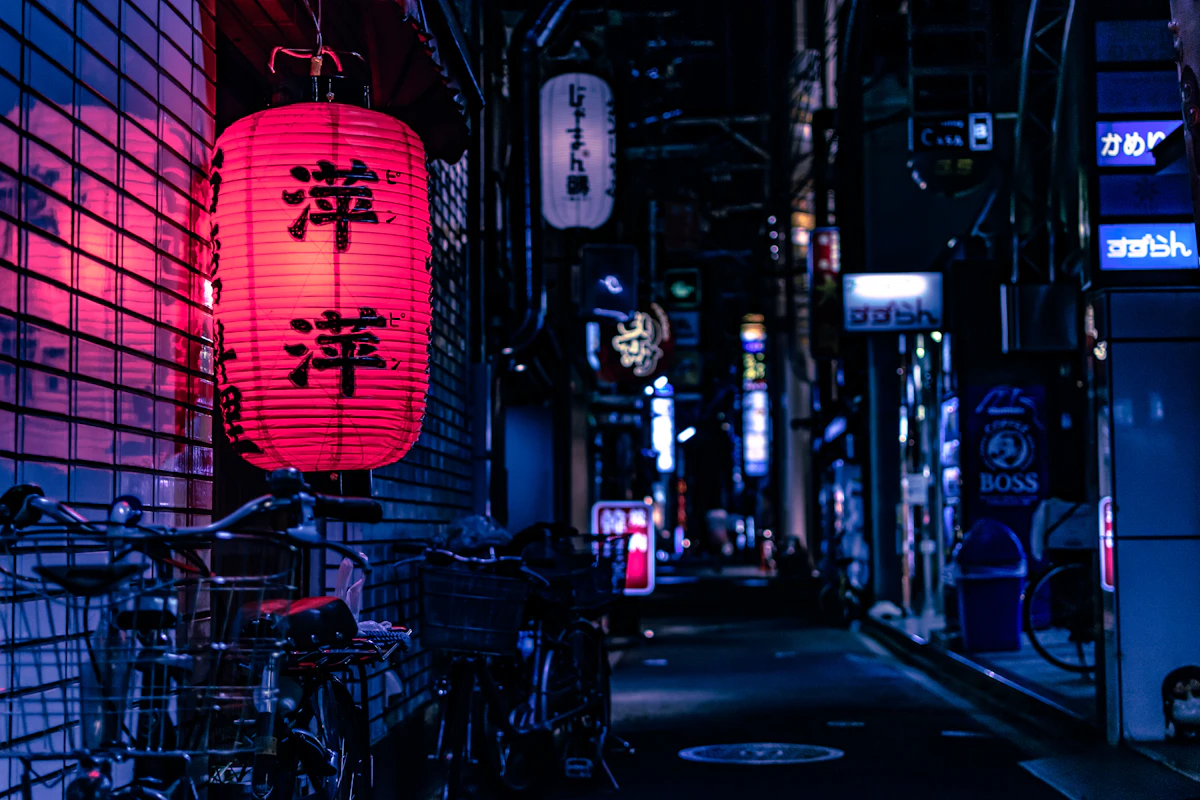
Golden Week (ゴールデンウィーク / Gōruden Wīku), often shortened to GW, is a cluster of national holidays that falls between late April and early May. Along with Obon (mid-August) and New Year, it’s one of Japan’s three major holiday periods.
Here’s the 2026 calendar:
| Date | Day | Status |
|---|---|---|
| April 29 | Wed | Shōwa Day (昭和の日 / Shōwa no Hi) — honors the birthday of Emperor Shōwa |
| April 30 | Thu | Regular weekday |
| May 1 | Fri | Regular weekday |
| May 2 | Sat | Weekend |
| May 3 | Sun | Constitution Memorial Day (憲法記念日 / Kenpō Kinenbi) — marks the 1947 constitution |
| May 4 | Mon | Greenery Day (みどりの日 / Midori no Hi) — a day to appreciate nature |
| May 5 | Tue | Children’s Day (こどもの日 / Kodomo no Hi) — celebrates children’s growth |
| May 6 | Wed | Substitute holiday (because May 3 falls on Sunday) |
If you take paid leave on April 30 and May 1, you get 8 days off in a row from April 29 to May 6. A lot of people in Japan do exactly this, which means the weeks before GW often involve a quiet office scramble for those vacation days.
Tokyo Actually Gets Quieter During GW
You might expect Tokyo to be packed during Golden Week. But within the city itself, it’s a different story.
Many Tokyo residents leave town — heading to family homes in the countryside, traveling to Kyoto, Okinawa, or abroad. The change is especially dramatic in business districts. Areas like Otemachi, Shimbashi, and Marunouchi, which normally see hundreds of thousands of commuters on a weekday, become eerily quiet. You can grab a terrace seat on Marunouchi Nakadōri without waiting, and the Yamanote Line — normally standing-room-only during rush hour — suddenly has empty seats.
Residential neighborhoods feel different too. That ramen shop with the permanent line? You can walk right in. Hard-to-book restaurants sometimes open up same-day tables. Lunch spots in business districts that usually have 30-minute waits sit half empty.
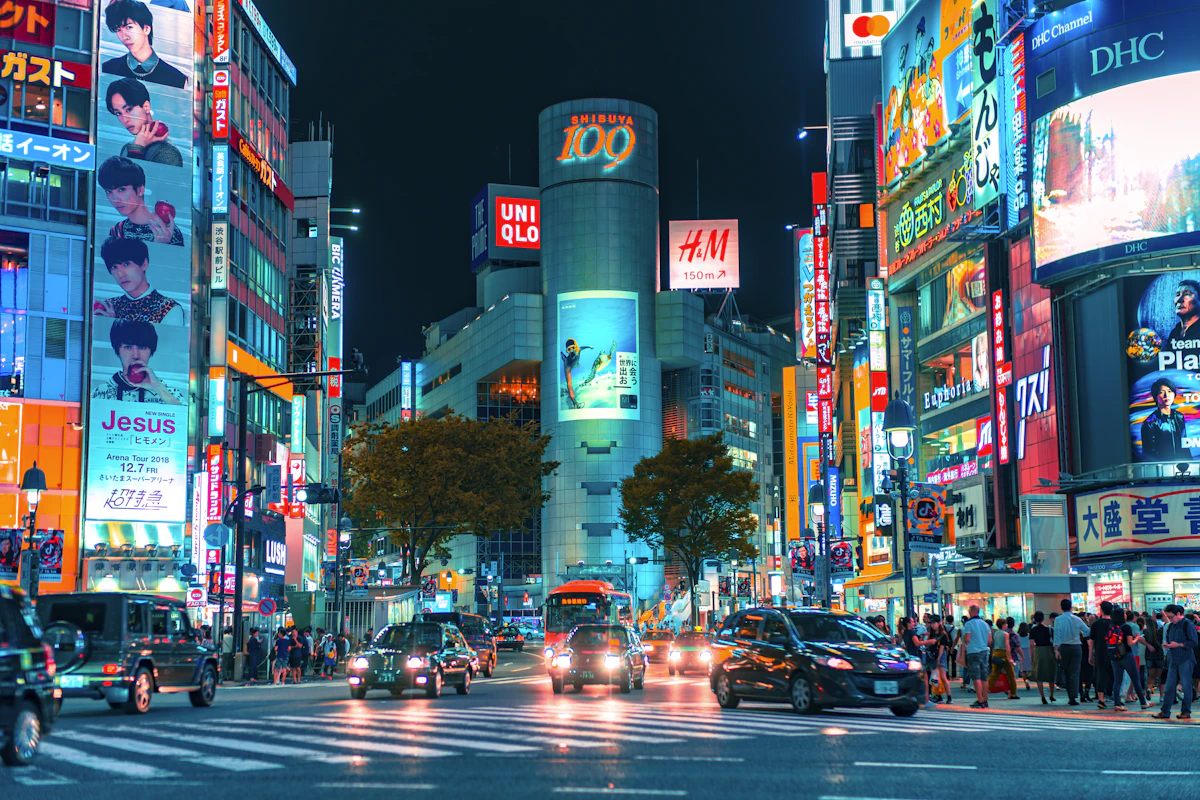
That said, “quiet” applies to everyday neighborhoods. Tourist spots draw visitors from across Japan, so these places hit peak crowds for the year:
- Tokyo Disney Resort (wait times go way up)
- Tokyo Skytree and Shibuya Sky
- Asakusa and Ueno area
- Shinjuku Gyoen
On the flip side, free observation decks, local shopping streets, and cafes in office districts are more relaxed than usual. Yanesen (Yanaka, Nezu, Sendagi) is great for hopping between old-house cafes and small galleries. Kiyosumi-Shirakawa has its roastery circuit, and Kuramae is worth a stroll for leather goods and craft shops. These low-key neighborhood walks are especially pleasant during GW when things are calmer.
What’s Open and What’s Closed During GW
Most commercial facilities in Tokyo keep running through Golden Week as normal. Convenience stores (7-Eleven, FamilyMart, Lawson) are open 24/7 year-round. Department stores and shopping malls often run special GW hours. Restaurants and cafes are mostly open. Major museums like the Tokyo National Museum stay open during GW (if their usual Monday closure falls on a holiday, they shift it to the next day).
Government services and banks, however, shut down. Many Japanese companies also close for GW, so if you have any business to take care of, get it done before the holiday starts.
What closes:
- Ward and city offices — Closed May 2 (Sat) through May 6 (Wed). Any paperwork, registrations, or certificate requests need to happen before GW
- Bank counters — Also closed May 2 to 6, a full 5 consecutive days. No account openings or over-the-counter transfers
- Post office counters — Closed on weekends and holidays (except some major branches). Japan Post Bank ATMs inside post offices work with no fees, but convenience store ATMs charge weekend surcharges
- Small clinics and dental offices — Most close for the break. Hospital emergency rooms remain open
ATMs are available, including those in convenience stores. But convenience store ATMs charge weekend and holiday fees, so pulling out extra cash before GW is a smart move. You can top up your Suica or other IC cards at station ticket machines 24/7. If you already rely on cashless payment methods, ATM fees won’t be much of a concern.
Shinkansen and Transportation During GW
Golden Week is one of the busiest Shinkansen periods of the year. According to JR Central’s announcement (PDF), from April 24 (Fri) to May 6 (Wed) in 2026, all Nozomi (のぞみ) trains on the Tōkaidō and Sanyō Shinkansen will be reserved-only. Cars 1 and 2, which are normally non-reserved, switch to reserved seating — meaning you can’t just hop on and find a free seat.
Per the same announcement, the peak for outbound travel (Tokyo to other regions) is the morning of May 2, and for return travel (back to Tokyo) it’s the afternoon of May 5 to 6. Avoiding just those windows makes it much easier to secure a seat.
How to Book
There are two main ways for foreigners to reserve Shinkansen tickets:
For the Tōkaidō/Sanyō Shinkansen (Tokyo to Hakata): Use SmartEX. It supports English and works from outside Japan. You get a QR ticket that goes straight through the gate — no need to line up at a counter. Reserved seats go on sale one month before the travel date at 10:00 AM.
For JR East lines (Tōhoku, Jōetsu, Hokuriku Shinkansen, etc.): Book through JR-EAST Train Reservation (if the site is inaccessible from outside Japan, it works once you arrive — no VPN needed). If you have a JR Pass, you can also reserve seats through this site.
Even during GW, local trains and subways within Tokyo are less crowded than usual, since so many residents have left the city. Navigating stations is much smoother compared to normal rush hours. If you’re planning to hit multiple spots in one day, a Tokyo Metro 24-hour pass (700 yen) helps keep transport costs down.
Things to Do in Tokyo During GW
If you’re staying in (or visiting) Tokyo during Golden Week, there’s plenty to enjoy.
As Children’s Day on May 5 approaches, Tokyo Tower displays 333 koinobori (carp streamers) from mid-March through May 6. Tokyo Skytree Town puts up around 1,000 koinobori in Solamachi Square. Koinobori (鯉のぼり / koi-nobori) are a Japanese tradition for wishing boys a healthy upbringing, and they’re the symbol of Children’s Day.
There are also local festivals that only happen during GW. Ōkunitama Shrine (大國魂神社) in Fuchū holds the Kurayami Matsuri (くらやみ祭 / Kurayami Festival) from April 30 to May 6. With over a thousand years of history, this festival features massive drums and portable shrines parading through the darkness — a completely different vibe from daytime sightseeing.
Museums are a solid option too. The National Museum of Nature and Science in Ueno and Mori Art Museum are open during GW. For special exhibitions, buying tickets online in advance saves you from entrance queues. At national museums, permanent exhibitions are often free for anyone under 18 — bring an ID that shows your age if that applies.
If the weather cooperates, a picnic at Yoyogi Park or Shōwa Kinen Park (昭和記念公園 / Shōwa Kinen Kōen) is a great call. Early May in Tokyo averages a high of 22 to 25°C with low humidity — one of the most comfortable stretches of the year. A picnic blanket and a convenience store bento is all you need. Inokashira Park and Kinuta Park are less crowded than the big central parks.
Traveling with kids? The “Children’s Forest” area at Shōwa Kinen Park gives them room to run around. The koinobori displays at Tokyo Tower and Skytree are outdoors and free to see, making them easy outings even with little ones. Large commercial facilities have nursing rooms and multi-purpose restrooms, and family restaurants and food courts handle kids’ meals well. If you’re bringing a stroller, checking the venue’s barrier-free info ahead of time saves hassle on the day.
To keep food costs reasonable, check out the Tokyo budget eating guide. Chain restaurants and standing soba shops operate through GW and aren’t affected by tourist-area pricing.
As covered in the itinerary planning guide, sticking to 2 or 3 spots per day helps manage your energy. GW weather is mild, but walking all day for several days straight will catch up with you.
What to Get Done Before GW Starts
A few things are worth handling ahead of time so you don’t get caught off guard once the holiday begins:
- Banking — Withdraw extra cash before GW. Bank counters are closed for 5 straight days from May 2 to 6
- Ward office — File any paperwork or pick up certificates before GW. Offices close May 2 to 6
- Hotels — Booking 2 to 3 months ahead is realistic for GW stays. Last-minute availability is almost nonexistent
- Shinkansen — Reserved seats go on sale one month before the travel date at 10:00 AM. Popular GW dates can sell out right after they open
- Luggage — Coin lockers at major stations fill up quickly during GW. Reserve luggage storage in advance through ecbo cloak for peace of mind
Things to Watch Out for During GW
The biggest hit is accommodation prices. Hotel rates during GW can jump to 1.5 to 2 times the normal price (compare GW vs. non-GW dates on Booking.com or similar sites to see the difference). If you want to save, capsule hotels and guesthouse dormitories are options. Either way, booking 2 to 3 months ahead is realistic — last-minute searches can turn up nothing at all.
Popular restaurants stay open during GW, but walk-ins become harder to pull off. Making a reservation through Google Maps or Tabelog ahead of time gives you more choices on the day.
May weather is generally stable, but the occasional thunderstorm can pop up. Keep a folding umbrella in your bag. And don’t skip the sunscreen — according to Japan Meteorological Agency UV data, the UV index in Tokyo can reach “strong” levels in May. A full day walking outside on a sunny day will leave you more sunburned than you’d expect.
It’s also worth sorting out your mobile connectivity. The SIM and eSIM guide covers your options in detail. Free Wi-Fi at tourist spots can get spotty during GW, so having your own mobile data means maps and translation apps always work. For heavy bags, coin lockers and luggage storage services are your friend.
Last train times don’t change during GW. Some lines do reduce late-night frequency though, so check timetables if you’re planning a late move. The Tokyo travel pitfalls guide is worth a read for tips that apply beyond just Golden Week.
May 7 (Thursday) is the day all of Japan snaps back to normal at once. Morning rush-hour trains can be even more packed than usual. If you’re heading to the airport that day, leave with plenty of buffer.
Frequently Asked Questions
When is Golden Week 2026?
The holidays run from April 29 (Wed) to May 6 (Wed). Taking paid leave on April 30 and May 1 gives you 8 consecutive days off.
Is Tokyo crowded during Golden Week?
Tourist spots (Disney, Asakusa, Skytree, etc.) hit their busiest of the year. But office districts and residential areas actually get quieter, since many residents leave for trips or family visits.
Can I use banks and ATMs during GW?
Bank counters are closed from May 2 to 6 — 5 days straight. Convenience store ATMs still work but charge holiday fees, so withdrawing extra cash before GW is the way to go.
Are there non-reserved seats on the Shinkansen during GW?
In 2026, all Nozomi trains on the Tōkaidō/Sanyō Shinkansen are reserved-only from April 24 to May 6. Book in advance through SmartEX.
What’s the weather like in Tokyo during Golden Week?
Early May in Tokyo sees highs around 22 to 25°C with low humidity — one of the most pleasant times of year. That said, sudden thunderstorms do happen, so a folding umbrella is worth having.
* This article was translated from the original Japanese with the help of machine translation. Some expressions may not read naturally.


