L I V I N G
Tokyo Garbage Sorting & Collection Rules
A complete guide to sorting garbage in Tokyo's 23 wards: how to find your collection schedule, dispose of bulky items, handle home appliance recycling, and avoid common mistakes that cause neighbor complaints.

Garbage Categories and Collection Frequency
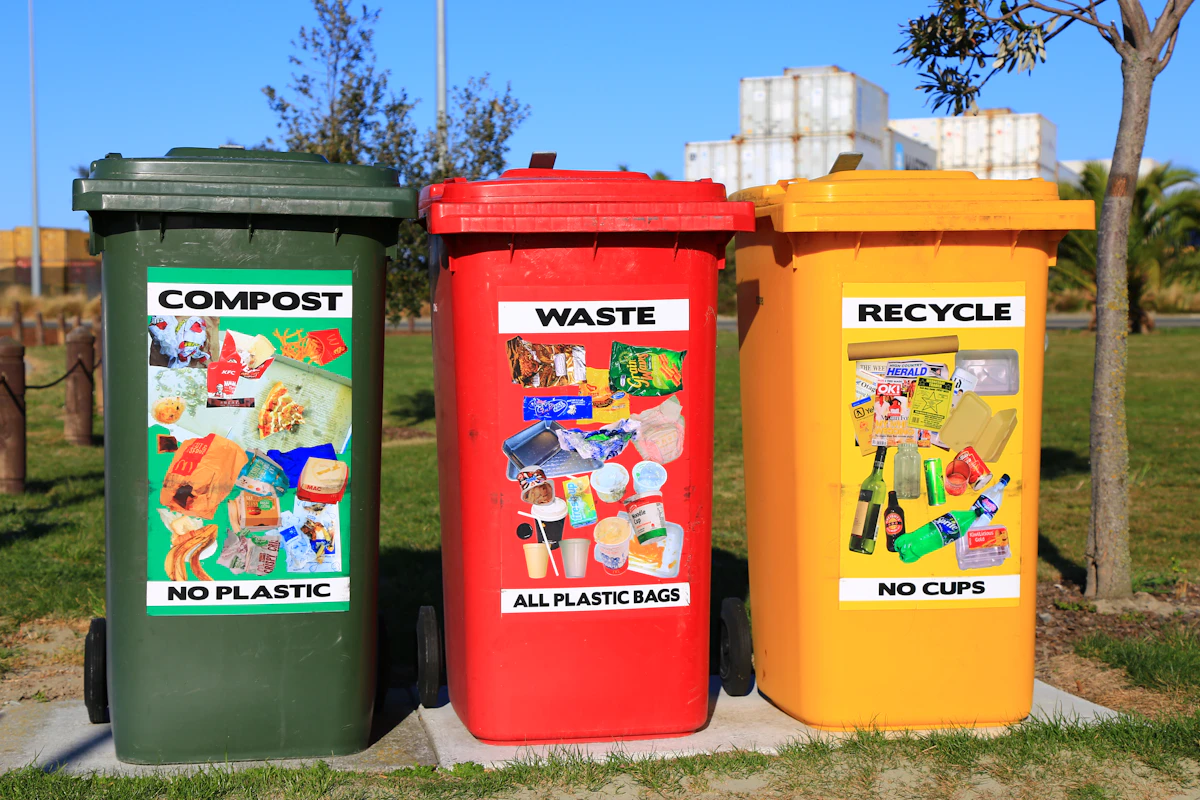
Tokyo’s 23 wards divide household garbage into the following categories. Specific rules vary by ward, but the basic framework is consistent across all of them.
| Category | Japanese | What Goes In | Frequency |
|---|---|---|---|
| Burnable garbage | 可燃ゴミ (kanenごみ) | Food scraps, paper scraps, soiled paper, wood scraps, leather goods, small plastics | Twice a week |
| Non-burnable garbage | 不燃ゴミ (funenごみ) | Metal, glass, ceramics, small home appliances | Twice a month |
| Recyclables | 資源ゴミ (shigenごみ) | Newspapers & magazines (tied with string), glass bottles, aluminum & steel cans, PET bottles | Once a week |
| Bulky garbage | 粗大ゴミ (sodaiごみ) | Items over 30 cm (furniture, bicycles, etc.) | By appointment only (fee required) |
PET bottles must be rinsed with the cap and label removed before putting them out. Caps and labels go with plastic recyclables, while the bottle itself goes with PET bottles — they’re sorted separately. This trips up a lot of people, so keep it in mind.
When and Where to Put Out Garbage
Garbage goes out on the morning of the collection day at your designated collection point. The cutoff time varies by ward and location. Most wards require garbage out by 8:00 a.m., though some — like Chuo Ward, which has three different cutoff times (8:00 a.m., 9:30 a.m., and 12:30 p.m.) depending on the specific collection point — are more granular. Always check the rules for your specific address. Putting garbage out the night before is strictly prohibited — crows tear open bags and scatter the contents, which creates real tension with neighbors.
Your collection point is typically the building’s garbage area if you live in a condo or apartment building, or a designated spot along the road for houses and smaller buildings. Your landlord or property manager should explain this when you move in; if they don’t, ask.
Garbage Bag Rules
23 Wards: There is no designated garbage bag system. Any transparent or semi-transparent bag will do — sold at supermarkets and drugstores. Using black or opaque bags may result in your garbage being left uncollected.
Tama Area (26 cities): Designated paid garbage bags are required. Purchase them at supermarkets and convenience stores in your city. Prices vary by size — in Kodaira, for example, a pack of 10 40L burnable garbage bags costs ¥800.
Collection Schedules and Apps
Collection days vary by neighborhood even within the same ward. After moving, the first thing to do is look up the schedule for your specific address.
How to find your schedule:
- Ward website: Most wards have a page where you can enter your address and see which days your garbage is collected
- Garbage sorting apps: Many municipalities offer their own apps, some with collection day reminders so you don’t have to memorize anything
- Ward office counter: When you register your new address (jūminhyō transfer), you’ll usually receive a pamphlet explaining local garbage rules
Multilingual Guides
Most major wards offer garbage sorting guides in English, Chinese, Korean, and other languages.
- Minato Ward — PDF guides in English, Korean, and Chinese; sorting flyer in 10 languages
- Shinjuku Ward — Sorting guide and app for foreign residents
- Ota Ward — Multilingual pamphlets
- Toshima Ward — Sorting guide in multiple languages
If you can’t find a guide for your ward, searching “ward name + garbage + English” on the ward’s website usually turns something up.
Rules That Differ by Ward
The same item can belong to different categories depending on where you live. Every time you move, it’s worth double-checking.
| Item | In some wards | In others |
|---|---|---|
| PET bottles | Collected with general recyclables | Separate PET bottle category |
| Leather belt | Burnable garbage | Non-burnable garbage |
| Metal spoon | Non-burnable garbage | Recyclables |
| Used clothing | Burnable garbage | Special collection days only |
When in doubt, use the ward’s item search tool on their website. You can search alphabetically for specific items to find out exactly which category they belong to.
How to Dispose of Bulky Items
In most wards, items with any side longer than 30 cm — furniture, bicycles, futons, and the like — count as bulky garbage and require advance booking.
Steps:
- Book a pickup — Contact your ward’s bulky garbage reception center by phone or online
- Buy a processing sticker — Purchase a “粗大ごみ処理券” (sodai gomi shori-ken) at a convenience store or supermarket. The price depends on the item’s size
- Attach the sticker — Write your booking number and name on the sticker and affix it to the item
- Put it out on the scheduled morning — Place it at the designated spot by the specified time
Rough pricing: Fees vary by item and size. The Minato Ward bulky garbage fee schedule (PDF) is a useful reference. In Minato, stickers come in two denominations — Type A (¥200) and Type B (¥300) — and staff will tell you which combination you need when you book.
The bulky garbage phone line is almost always Japanese-only. If calling in Japanese is difficult, your ward’s foreign resident consultation counter may be able to help you through the process.
Home Appliance Recycling Law
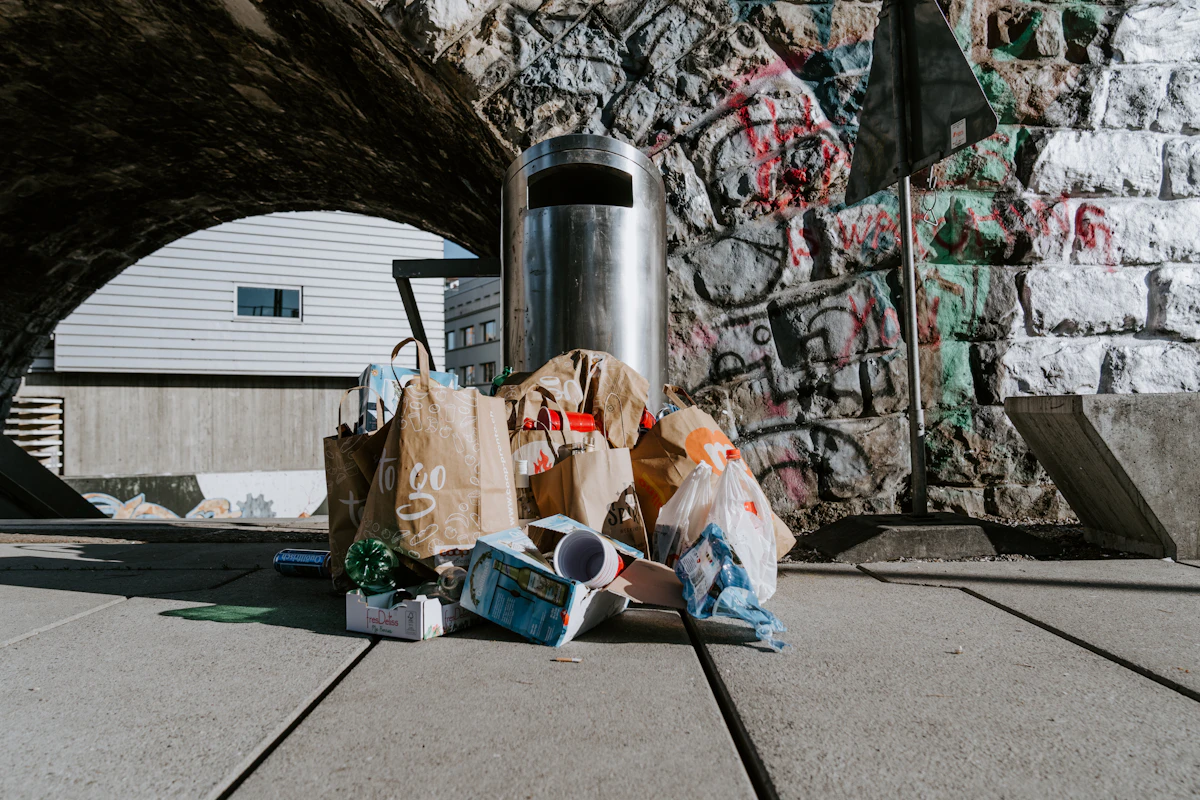
The following four categories are covered by the Home Appliance Recycling Law and cannot be disposed of through regular or bulky garbage collection:
- Air conditioners
- Televisions (CRT, LCD, plasma, OLED)
- Refrigerators and freezers
- Washing machines and clothes dryers
How to dispose of them:
- Through the retailer — Ask the store where you bought the appliance (or where you’re buying a replacement) to take it back. You’ll pay a recycling fee plus a collection and transport charge
- Drop-off at a designated collection point — Purchase a recycling voucher at a post office and bring the appliance to a designated collection point yourself
- Through your ward — If the above options don’t work, your ward can refer you to a licensed disposal contractor
Avoid unlicensed collection trucks — the ones that drive slowly through residential areas announcing “free junk collection.” These operations have been linked to illegal dumping, and the Ministry of the Environment warns against using them.
Common Mistakes and How to Avoid Them
| What people do | Why it’s a problem | What to do instead |
|---|---|---|
| Put garbage out the night before | Crows tear open bags and create a mess for neighbors | Put it out on the morning of collection day, within the allowed time |
| Use black or opaque bags | Contents can’t be verified; garbage may be left behind | Use transparent or semi-transparent bags |
| Leave the cap on PET bottles | Caps are plastic, bottles are PET — they’re different materials | Remove caps and labels before putting them out |
| Try to put a TV or fridge out as bulky garbage | These are covered by the Home Appliance Recycling Law and won’t be collected | Purchase a recycling voucher and use the proper disposal channel |
| Throw batteries in regular garbage | Batteries are hazardous waste collected separately | Put them out on your ward’s hazardous waste collection day |
| Use your old ward’s rules after moving | Rules differ from ward to ward | Check the rules for your new ward right after you move |
If you sort something incorrectly, your bag will be left behind with a warning sticker asking you to sort properly. Repeated violations can lead to complaints from your property manager or landlord, so it’s worth getting the rules right from the start.
Penalties for Violations
Minor sorting mistakes at home rarely result in fines, but more serious violations carry real consequences.
- Repeated sorting violations: Warning from property manager or landlord — potentially an eviction notice if not corrected
- Illegal dumping: Violation of the Waste Disposal and Public Cleansing Act — up to 5 years imprisonment and/or a fine of up to ¥10 million
- Littering in Shibuya: A 2026 amendment to Shibuya Ward’s ordinance will impose a ¥2,000 fine for littering on public streets starting June 2026
When Things Go Wrong
| Situation | What to do |
|---|---|
| Not sure which category an item belongs to | Use the ward’s item search tool, or search “ward name + garbage + item name” online |
| Missed collection day | Keep it at home until the next collection day — leaving it out causes problems with neighbors |
| Can’t make the phone reservation for bulky garbage | Most wards offer online booking; your ward’s foreign resident consultation counter can also help |
| Just moved and have a large amount of garbage | Putting out too much at once may result in some of it not being collected — spread it over several collection days or check your ward’s rules |
| Only Japanese-language guides available | Search “ward name + garbage + English” online — a multilingual version often exists |
Other Options
- Private junk removal services: If you have a large volume of items — especially around a move — a licensed removal company can take everything at once. Get a quote first, as prices vary by volume and content
- Secondhand shops: Furniture and appliances that still work can often be sold to chains like Second Street or Hard Off. No disposal fee, and you might even get a little money back
- Jmty: Jmty is a local classifieds platform where you can give away or pick up unwanted items for free
Related Articles
- How to Find an Apartment in Tokyo — What you need to know before moving in
- Tokyo Ward Office Moving Guide — All the paperwork you’ll need after moving
- Tokyo Manners and Etiquette — The basics of everyday life in Japan
- First Time Living Alone in Tokyo — A full overview of setting up your life here
Sources:
- Minato City. “Garbage sorting and collection guidebooks and posters.” https://www.city.minato.tokyo.jp/gomigenryou/kurashi/gomi/kate/k-wakekata/guidebook.html (Accessed: 2026-03-17)
- Shinjuku City. “Recyclables and garbage.” https://www.foreign.city.shinjuku.lg.jp/jp/kurashi/shigenyagomi/ (Accessed: 2026-03-17)
- Ministry of Economy, Trade and Industry. “Home Appliance Recycling Law (Act on Recycling of Specified Kinds of Home Appliances).” https://www.meti.go.jp/policy/it_policy/kaden_recycle/fukyu_special/ (Accessed: 2026-03-17)
- Japan Electrical Manufacturers’ Association. “Recycling fee schedule.” https://www.rkc.aeha.or.jp/recycle_price.html (Accessed: 2026-03-17)
FAQ
- What are the main garbage categories in Tokyo?
- Tokyo's 23 wards divide garbage into four categories: burnable garbage (collected twice a week), non-burnable garbage (twice a month), recyclables (once a week), and bulky garbage (by appointment only). The exact rules vary slightly by ward, so always check with your local ward office after moving.
- Can I put garbage out the night before collection?
- No — putting garbage out the night before is strictly prohibited in Tokyo. Crows will tear open the bags and scatter the contents, which creates problems for neighbors and can lead to complaints from your landlord. Always put garbage out on the morning of collection day, typically before 8:00 a.m.
- Do I need special garbage bags in Tokyo?
- In the 23 wards, any transparent or semi-transparent bag is acceptable — black or opaque bags may be left uncollected. In the Tama area (26 cities west of the 23 wards), designated paid garbage bags are required and must be purchased at supermarkets or convenience stores.
- How do I dispose of a TV, refrigerator, or washing machine?
- These four appliances — air conditioners, televisions, refrigerators, and washing machines — are covered by the Home Appliance Recycling Law and cannot go out as regular or bulky garbage. You can return them to the retailer where you bought the appliance, drop them off at a designated collection point after purchasing a recycling voucher at a post office, or contact your ward office for a licensed disposal contractor.
- How do I arrange bulky garbage pickup?
- For items with any side longer than 30 cm, you need to book a pickup through your ward's bulky garbage reception center by phone or online, then purchase a processing sticker (粗大ごみ処理券) at a convenience store. Write your booking number on the sticker, attach it to the item, and put it out on the scheduled morning. A fee is required and varies by item size.
- What happens if I sort my garbage incorrectly?
- Your bag will be left behind with a warning sticker asking you to sort properly. Repeated violations can lead to complaints from your property manager or landlord. More serious violations like illegal dumping carry fines of up to ¥10 million and potential imprisonment under the Waste Disposal and Public Cleansing Act.
- Are there multilingual garbage guides available?
- Yes — most major wards offer garbage sorting guides in English, Chinese, Korean, and other languages. Minato, Shinjuku, Ota, and Toshima wards all have multilingual resources available on their websites. If you can't find a guide for your ward, searching 'ward name + garbage + English' on the ward's website usually turns something up.
- How do I find out my garbage collection schedule?
- Collection days vary by neighborhood even within the same ward. After moving, check your ward's website (most have an address-search tool for collection days), download your municipality's garbage sorting app, or ask at the ward office counter when you register your new address — they typically hand out a pamphlet explaining local rules.
* This article was translated from the original Japanese with the help of machine translation. Some expressions may not read naturally.

![How to Rent an Apartment in Tokyo as a Foreigner [Costs, Guarantor, UR]](https://images.unsplash.com/photo-1480796927426-f609979314bd?w=1920&q=80&fm=webp&w=400&q=60)


