F I N A N C E
How to Open a Bank Account in Japan as a Foreigner: The 6-Month Rule and How to Beat It
Japan Post Bank, Shinsei, Sony Bank — which one opens accounts for new arrivals, what documents to bring, and the 6-month residency trap explained.

Quick Answer
- This guide is for residents of Japan. Tourists cannot open a bank account.
- Need cash? Use 7-Eleven (Seven Bank) ATMs — they accept Visa, Mastercard, Plus, Cirrus, and most international cards. See our convenience store ATM guide.
- Japan Post Bank ATMs in post offices also accept foreign cards. Look for the “International ATM” sign.
- Just arrived (under 6 months)? Go to Japan Post Bank (ゆうちょ銀行). It’s the only major bank that consistently opens accounts for newcomers. Walk into any post office and say: 「口座を開設したいのですが」 (Kouza wo kaisetsu shitai no desu ga).
- Want English UI? Open SBI Shinsei Bank or Sony Bank online after 6 months. Both have full English apps and websites.
- Bring to the branch: Residence card (在留カード) with registered address, passport, phone number, personal seal (印鑑) or signature. Cash card arrives in 1–2 weeks by mail.
- Counter-intuitive: Don’t go to MUFG or SMBC first. The mega banks have the strictest foreigner policies. Start with Japan Post Bank, add a second bank later.
What You’ll Learn
✅ You’ll be able to:
- Open a bank account at Japan Post Bank on day one
- Choose the right bank for your situation (English UI, low fees, international transfers)
- Navigate the 6-month residency rule and its exceptions
⏱️ Time needed: 30–60 minutes at the branch (first visit) / 10 minutes online (SBI Shinsei, Sony Bank)
💰 Cost: Free to open. Cash card free. Some banks charge ¥110–¥220 for off-hours ATM withdrawals.
⚠️ Watch out for:
- The 6-month rule — most banks refuse you before 6 months of residency
- Losing your 印鑑 (personal seal) — re-registering is a nightmare
- International transfer fees — banks charge ¥4,000–¥7,500 per wire. Use Wise instead.
The 6-Month Rule: Why Banks Refuse New Arrivals

The biggest frustration for new residents: being told “come back later” at the bank counter.
Here’s the reality that no one tells you before you move to Japan: most banks will refuse to open an account if you’ve been in the country for less than 6 months.
This isn’t discrimination — it’s Japan’s Foreign Exchange and Foreign Trade Act (外為法) and anti-money laundering regulations. Banks are required to verify that foreign residents have stable ties to Japan. A residence card with less than 6 months of history doesn’t meet that threshold for most banks.
Banks that enforce the 6-month rule strictly:
- MUFG (三菱UFJ銀行)
- SMBC (三井住友銀行)
- Mizuho (みずほ銀行)
- Rakuten Bank (楽天銀行)
- au Jibun Bank
Banks that are flexible with new arrivals:
- Japan Post Bank (ゆうちょ銀行) — the most reliable option for newcomers
- Seven Bank — online application, limited features but fast
- Some credit unions (信用金庫) — varies by branch
The workaround: Open a Japan Post Bank account immediately. Use it for your first 6 months (salary, rent, utilities). Then open a second account at SBI Shinsei Bank or Sony Bank for English-language banking and cheaper international transfers.
Choosing the Right Bank
Not all banks are equal. Here’s what actually matters for foreign residents:
| Bank | English Support | New Arrivals (<6 mo) | ATM Network | International Transfers | Best For |
|---|---|---|---|---|---|
| Japan Post Bank (ゆうちょ) | Limited | ✅ Yes | 24,000+ ATMs nationwide | Expensive (¥7,500/wire) | First account, ATM access |
| SBI Shinsei Bank | ✅ Full English app & web | ❌ 6-month rule | Convenience store ATMs (free tiers) | GoRemit service available | English banking, low ATM fees |
| Sony Bank | ✅ Full English app & web | ❌ 6-month rule | Convenience store ATMs | 12-currency multi-currency account | Forex, international payments |
| SMBC Prestia | ✅ English | ❌ 6-month rule | SMBC + convenience store ATMs | Multi-currency (17 currencies) | High-earners, wealth management |
| MUFG | Partial | ❌ Strict | Largest ATM network | Standard wire transfers | Salary account (if employer requires) |
| Rakuten Bank | ❌ Japanese only | ❌ 6-month rule | Convenience store ATMs | Limited | Rakuten ecosystem users |
Our Recommendation
Phase 1 (Day 1–6 months): Japan Post Bank. Open it your first week. Use it for salary, rent, and utility auto-pay (口座振替).
Phase 2 (After 6 months): Add SBI Shinsei Bank or Sony Bank. SBI Shinsei has the best ATM fee structure — free convenience store ATM withdrawals depending on your tier. Sony Bank is best if you deal with multiple currencies or send money abroad frequently.
Phase 3 (Settled in): Consider Rakuten Bank if you shop on Rakuten (points integration). Consider SMBC Prestia if you earn well and want wealth management in English.
How to Open an Account at Japan Post Bank (Step-by-Step)

Any post office (郵便局) in Japan has a Japan Post Bank counter. There are over 24,000 of them.
What to Bring
- Residence card (在留カード) — must have a registered address on the back. If you just arrived, register at city hall first.
- Passport
- Personal seal (印鑑/inkan) OR your signature — Japan Post Bank accepts signatures from foreign nationals. We recommend using your signature to avoid the hassle of buying and registering a seal.
- Phone number — a Japanese mobile number. If you don’t have one yet, get a SIM card first. Some branches accept overseas numbers, but don’t count on it.
- My Number notification (if you have it) — not strictly required for account opening, but they’ll ask. See our My Number card guide.
At the Branch
Step 1: Walk in and say: 「口座を開設したいのですが」 (Kouza wo kaisetsu shitai no desu ga — “I’d like to open an account”)
Step 2: Staff will hand you application forms. They’ll help you fill them out. Key fields:
- Name (katakana reading required — ask staff to help)
- Address (match your residence card exactly)
- Phone number
- Occupation and employer
- Purpose of the account (salary deposit = 給与受取 kyuuyo uketori)
Step 3: Choose your 4-digit PIN (暗証番号). Don’t use your birthday — they’ll reject it.
Step 4: Decide on 印鑑 or signature. If signature, you’ll sign the form in the same way every time.
Step 5: Receive your passbook (通帳) on the spot. Your cash card (キャッシュカード) arrives by mail in 1–2 weeks.
Total time: 30–60 minutes, depending on branch traffic and language support.
If You Get Refused
It happens. Some branch staff are less experienced with foreign customers. Don’t argue. Instead:
- Try a different branch. Larger branches near train stations tend to have more experienced staff.
- Try a main post office (本局). These handle international customers regularly.
- Bring a Japanese-speaking friend. The process is much smoother with a translator.
- Ask your employer or school for a referral letter. Some companies have relationships with specific branches.
Opening an Account at SBI Shinsei Bank or Sony Bank (Online)
After 6 months of residency, you can apply online. Both banks offer full English interfaces — a massive relief after dealing with Japanese-only forms.
SBI Shinsei Bank
- Apply online at shinsei.co.jp (English site available)
- Required: Residence card photo upload, My Number, Japanese phone number
- Approval time: 3–5 business days
- Card delivery: 1–2 weeks by mail
- ATM fees: Free at convenience store ATMs (number of free withdrawals depends on your “stage” — higher balance = more free withdrawals)
- Highlight: PowerFlex account has tiered benefits. Maintain ¥1M+ balance for the best ATM and transfer fee deals.
Sony Bank
- Apply online at moneykit.net (English site available)
- Required: Residence card, My Number, Japanese phone number
- Note: Some users report needing to complete a paper application in addition to online — Sony Bank may mail you a form to sign and return
- Approval time: 1–2 weeks (longer than SBI Shinsei)
- Highlight: Multi-currency account supports 12 currencies. Sony Bank WALLET debit card lets you spend in foreign currencies abroad without conversion fees. Excellent for travel or receiving payments in USD/EUR.
The Seal (印鑑) vs. Signature Question
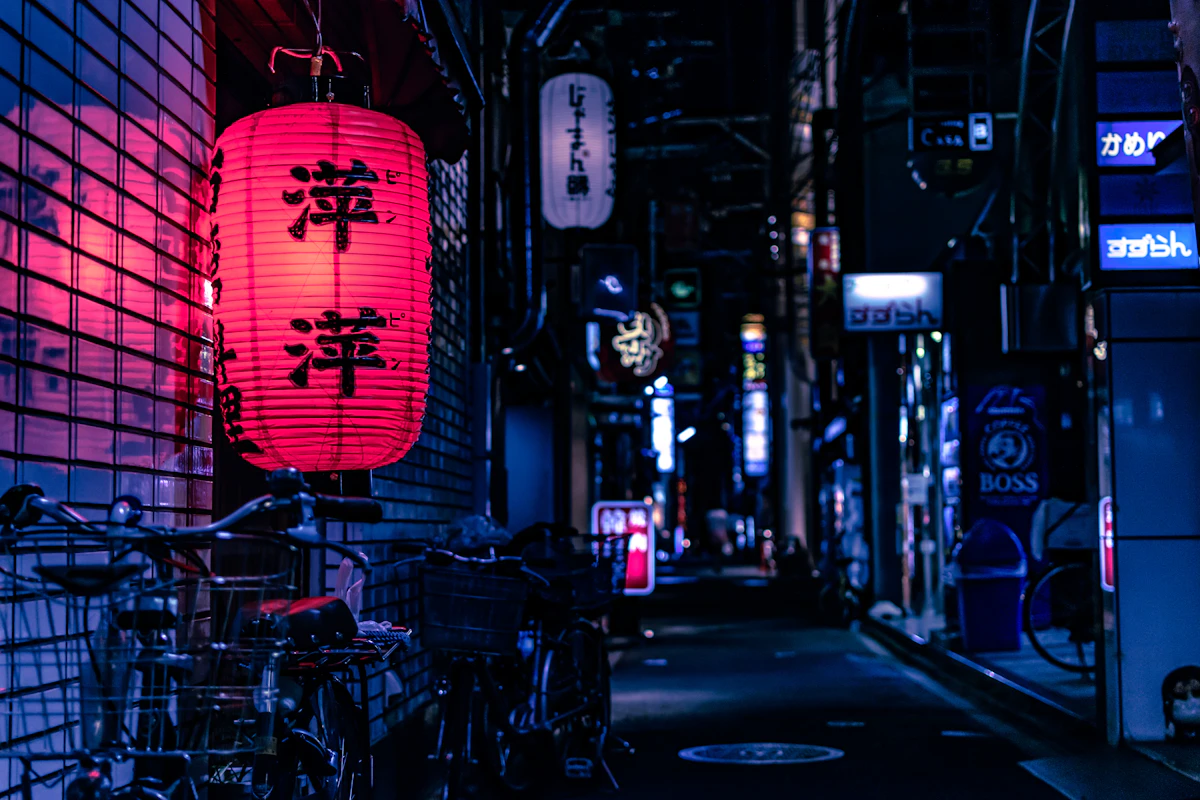
You don’t always need an inkan. But if you register one, don’t lose it.
Our advice: use your signature whenever possible.
Here’s why:
- If you register with an 印鑑 and lose it, you must re-register — which means going back to the bank with a new seal, your residence card, and patience.
- Many banks now accept signatures from foreign nationals. Japan Post Bank, SBI Shinsei Bank, and Sony Bank all do.
- If your employer insists on an 印鑑 account, buy a simple one at a 100-yen shop (Daiso, Seria) or order a custom one at はんこ屋さん21 for ¥1,000–¥3,000.
Exception: If you’re buying property, opening certain investment accounts, or dealing with government offices, you may need a registered seal (実印) — that’s a different, more formal process requiring registration at city hall.
ATM Fees: The Hidden Cost Nobody Mentions
Free banking doesn’t mean free ATMs. Here’s the fee structure that catches new residents off guard:
| Situation | Fee |
|---|---|
| Own bank’s ATM, business hours (weekdays 8:45–18:00) | Free |
| Own bank’s ATM, evenings/weekends/holidays | ¥110–¥220 |
| Other bank’s ATM (including convenience stores) | ¥110–¥330 |
| Late night (23:00–7:00) at convenience store | ¥220–¥330 |
The convenience store trap: 7-Eleven, Lawson, and FamilyMart ATMs are everywhere and open nearly 24/7. But if you’re withdrawing from a bank that charges for off-hours or cross-bank transactions, those ¥220 fees add up fast. Withdrawing ¥10,000 three times a week costs you ¥2,640/month in fees.
How to avoid ATM fees:
- SBI Shinsei Bank: Free convenience store ATM withdrawals (1–unlimited per month depending on tier)
- Sony Bank: Free at convenience store ATMs (4+ times/month depending on tier)
- Japan Post Bank: Free at Japan Post ATMs nationwide (24,000+ locations) during most hours
- Use cashless payments — fewer cash withdrawals = fewer fees. See our payment methods guide.
International Money Transfers: Don’t Use Your Bank
This is the advice that saves you the most money: don’t use Japanese bank wire transfers to send money abroad.
| Method | Fee per Transfer | Exchange Rate Markup | Total Cost on ¥500,000 |
|---|---|---|---|
| MUFG wire transfer | ¥7,500 | 1–2% above mid-market | ~¥17,500 |
| Japan Post Bank wire | ¥7,500 | 1–2% above mid-market | ~¥17,500 |
| SBI Shinsei GoRemit | ¥2,000 | ~0.5–1% | ~¥7,000 |
| Wise | ¥400–¥900 | Mid-market rate | ~¥3,500 |
| Sony Bank (currency account) | ¥0 (within account) | ~0.15% spread | ~¥750 |
Bottom line: Use Wise for most international transfers. It’s 5–10x cheaper than a standard bank wire. You can fund it from your Japanese bank account.
Sony Bank’s multi-currency account is even cheaper if you regularly deal with foreign currencies — but setup is more complex.
Setting Up Auto-Pay (口座振替) for Bills
Once your account is open, set up automatic payments immediately. This prevents late fees and the awkwardness of paying bills at convenience stores every month.
What to auto-pay:
- Rent (家賃) — ask your landlord or management company for the 口座振替 form
- Electricity (電気) — TEPCO or your provider
- Gas (ガス) — Tokyo Gas or your provider
- Water (水道) — ward water bureau
- Mobile phone — docomo, au, SoftBank, or MVNO
- Health insurance (国民健康保険) — if self-employed
- National pension (国民年金) — if self-employed
See our utility setup guide and bill payment guide for step-by-step instructions.
When Things Go Wrong
| Problem | Cause | Solution |
|---|---|---|
| "We can't open an account for you" | Less than 6 months residency, or staff unfamiliar with foreign customers | Try Japan Post Bank. Try a different branch. Bring employer reference letter. |
| Cash card hasn't arrived after 2 weeks | Mail delivery issues, name mismatch on mailbox | Ensure your name is on your mailbox in katakana/romaji. Contact the bank. |
| Can't set up online banking | Registration requires Japanese reading ability | Use SBI Shinsei or Sony Bank for English online banking. Ask a friend for Japan Post Bank setup. |
| ATM won't accept your cash card | Card not yet activated, or wrong ATM network | Use your own bank's ATM for the first transaction. Some cards need initial activation at the home bank's ATM. |
| Employer says "we need MUFG/SMBC" | Some companies insist on specific banks for payroll | Ask if they can deposit to Japan Post Bank. Most modern payroll systems support any bank. |
| Lost your 印鑑 (seal) | Physical seal misplaced | Visit the bank with residence card and passport. Re-register with a new seal or switch to signature. Takes 30+ minutes. |
FAQ
Q: Can I open a bank account with a tourist visa?
A: No. You need a residence card (在留カード) with a registered Japanese address. Tourist visas do not qualify. Use 7-Eleven ATMs for cash access during your trip.
Q: I’ve been here less than 6 months. What are my options?
A: Japan Post Bank (ゆうちょ銀行) is your best bet. Go to a post office, bring your residence card with registered address, passport, and phone number. Some people also succeed with Seven Bank (セブン銀行), which offers an online application.
Q: Do I need a personal seal (印鑑)?
A: Not always. Japan Post Bank, SBI Shinsei Bank, and Sony Bank accept signatures from foreign nationals. If you use a seal, store it securely — losing it means re-registering at the bank. A basic seal costs ¥100–¥3,000.
Q: How do I send money home cheaply?
A: Use Wise — not your bank. A standard Japanese bank wire costs ¥7,500 + 1–2% exchange rate markup. Wise charges ¥400–¥900 with mid-market exchange rates. For regular large transfers, consider Sony Bank’s multi-currency account.
Q: Can I use my Japanese bank account after leaving Japan?
A: Technically, you should close it before leaving (banks may freeze accounts of non-residents). In practice, many people keep accounts open temporarily to receive final paychecks or settle remaining bills. Notify your bank of your departure date.
Related Guides
- How to Register at City Hall — you need a registered address before opening a bank account
- My Number Card Guide — increasingly required for bank account applications
- How to Pay Bills in Japan — setting up auto-pay from your new account
- Setting Up Utilities — electricity, gas, water, internet
- Payment Methods in Japan — the full picture of cash, cards, and apps
Summary
- Go to Japan Post Bank first — it’s the only major bank that reliably opens accounts for newcomers under 6 months.
- Add SBI Shinsei or Sony Bank after 6 months — for English banking, lower ATM fees, and cheaper international transfers.
- Use Wise for international transfers — Japanese bank wires cost ¥7,500+. Wise costs under ¥1,000.
Next step: If you haven’t registered your address yet, do that first — register at city hall. Then walk into the nearest post office with your residence card, passport, and phone. You’ll have an account in under an hour.
References and Official Sources
-
Japan Post Bank (ゆうちょ銀行)
“Opening an Account” (口座を開く)
https://www.jp-bank.japanpost.jp/kojin/tukau/kouza/kj_tk_kz_kasetsu.html
Accessed February 2026. Official procedures and required documents for opening a Japan Post Bank account, including policies for foreign residents. -
Financial Services Agency (金融庁)
“Foreign Exchange and Foreign Trade Act” (外国為替及び外国貿易法)
https://www.fsa.go.jp/en/
Accessed February 2026. Regulatory framework requiring banks to verify stable residency for foreign nationals, which informs the 6-month residency practices at many Japanese banks. -
SBI Shinsei Bank
”Account Opening Guide” (English)
https://www.shinseibank.com/english/
Accessed February 2026. English-language online application process, required documentation, and PowerFlex account tier benefits including ATM fee waivers. -
Sony Bank
”Opening an Account” (口座開設)
https://moneykit.net/en/
Accessed February 2026. Multi-currency account features, Sony Bank WALLET debit card information, and online application requirements for foreign residents. -
Bank of Japan
”Payment and Settlement Systems in Japan”
https://www.boj.or.jp/en/paym/index.htm/
Accessed February 2026. Overview of Japan’s banking infrastructure and payment systems, providing context for ATM networks and fee structures.
Note on the 6-Month Rule: The “6-month residency rule” is not a formal legal requirement but rather an internal risk management policy adopted by many Japanese banks based on Financial Services Agency anti-money laundering guidelines and the Foreign Exchange and Foreign Trade Act. Individual banks have discretion in applying this policy. Japan Post Bank, Seven Bank, and some credit unions (信用金庫) have more flexible policies for new foreign residents.
Note on ATM Fees: ATM fee structures (¥110-¥330 per transaction) are standard across most Japanese banks as of 2026. Fees vary by time of day, day of week, and whether you’re using your own bank’s ATM or a partner/convenience store ATM. SBI Shinsei Bank and Sony Bank tier systems provide free withdrawals based on account balance and activity.
Note on International Transfer Costs: The ¥7,500 wire transfer fee cited for traditional banks (MUFG, SMBC, Japan Post Bank) is standard as of 2026. This does not include exchange rate markups, which typically add 1-2% above the mid-market rate. Services like Wise (formerly TransferWise) provide significantly lower total costs through mid-market exchange rates and transparent fee structures.
Bank Account Opening Documentation: Requirements vary by bank but typically include: valid residence card (在留カード) with registered address, passport, Japanese phone number, and My Number (マイナンバー). Some banks accept signatures from foreign nationals while others require a registered seal (印鑑). Verify current requirements directly with your chosen bank.